
Choosing the Right Power Cable: Key Factors to Consider
It's not enough to just match the plug to the socket when choosing a power cord cable. You need to make sure that your entire system is operationally reliable, meets safety standards, and is cost-effective in the long run. The power cord cable you choose is the most important link between your power source and the performance of your device, whether you're connecting electrical devices in data centers, medical equipment, factories, or the production of consumer products. Knowing the technical specs, environmental needs, and government rules that govern these important parts will help you make smart purchasing choices and keep your business safe from costly fails, downtime, and safety risks.
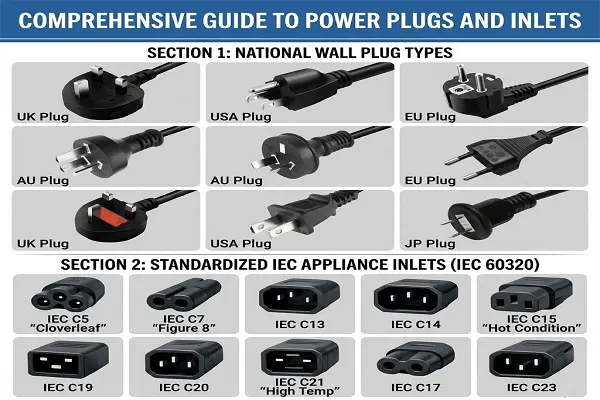
Understanding Power Cord Cables: Types and Specifications
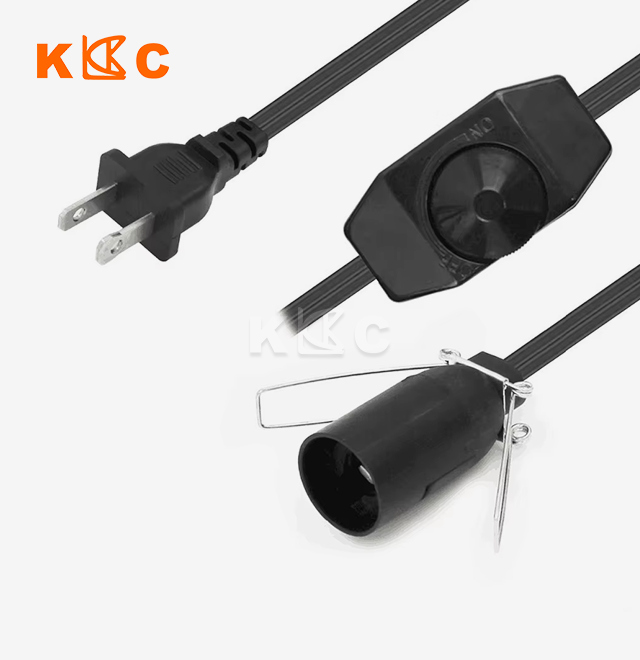
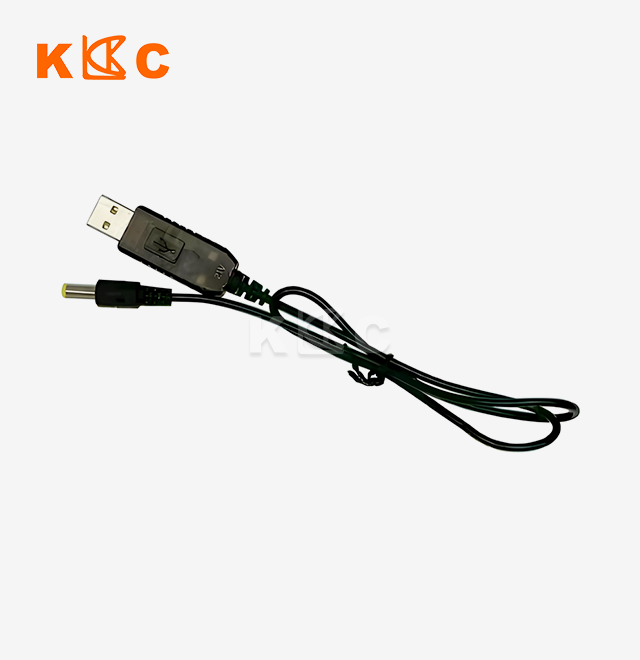
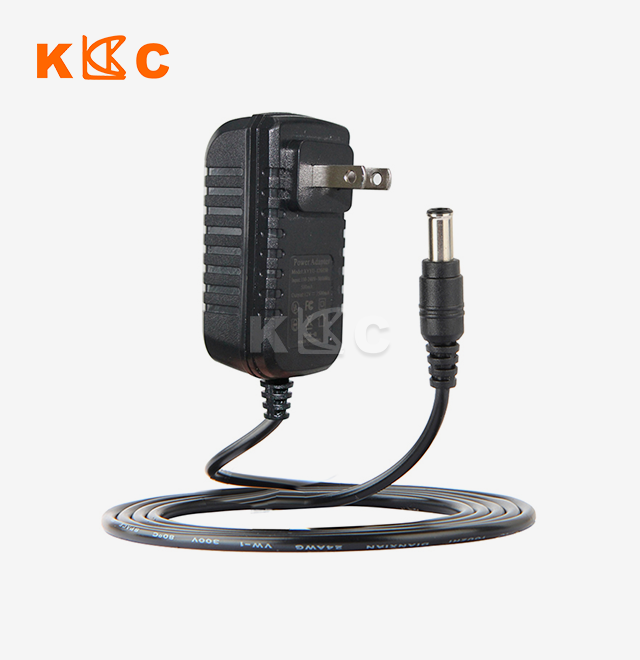
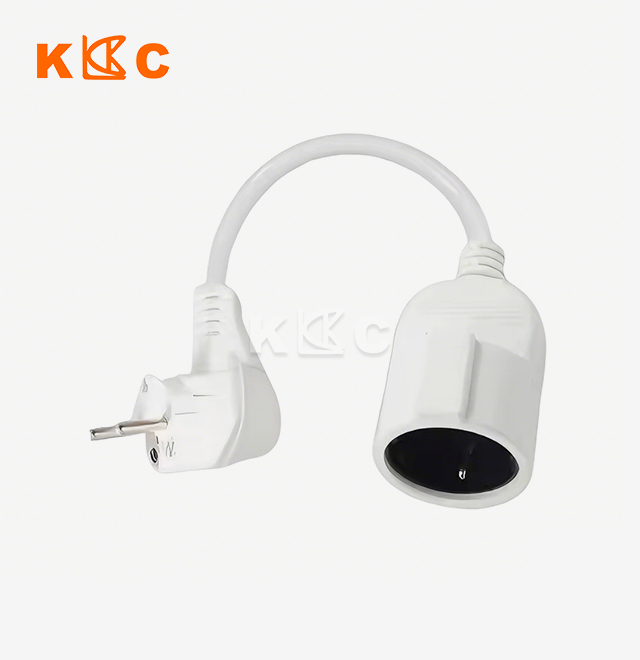
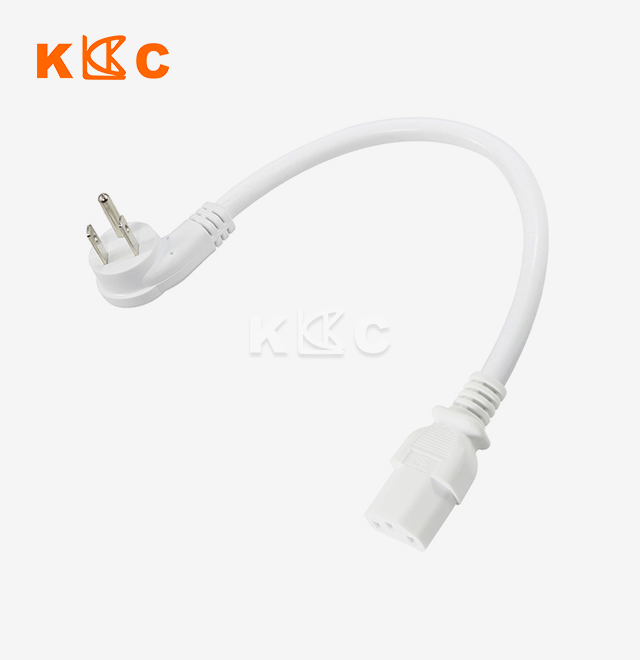
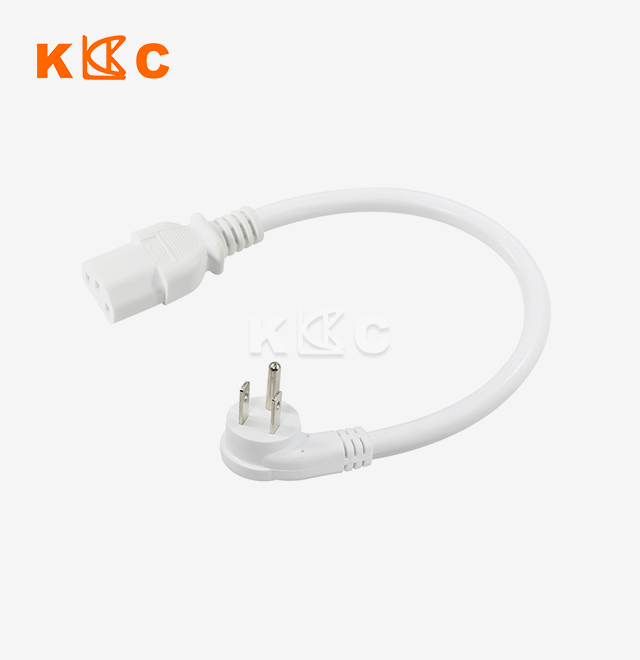
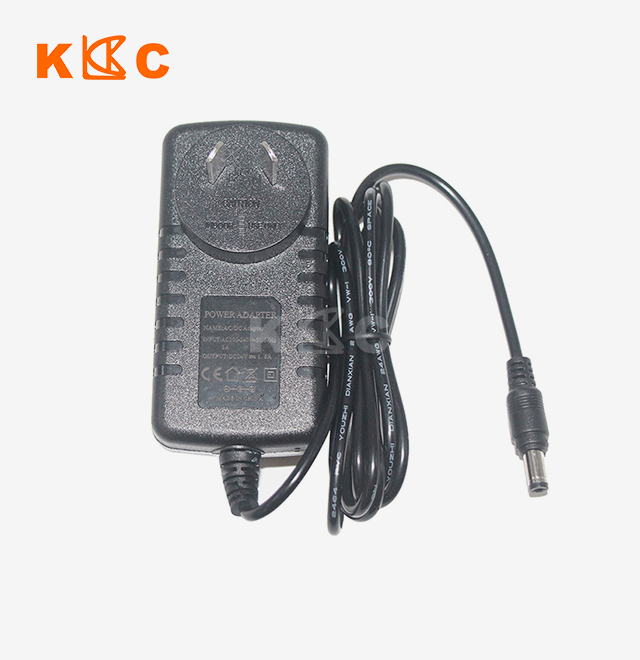
Power cord cables are more than just wires that carry electricity. These groups are made up of insulated wires, a protected covering, and tools for connecting them. They are meant to safely send AC or DC power from a source to equipment that will use it. To put it simply, power cord cables are the main way that line electricity gets from wall outlets or power distribution units to device power supply units. This link solves important problems, like reducing voltage drop over long distances, controlling heat at connector interfaces, maintaining mechanical integrity through strain relief design, and making sure that all plug types are compliant around the world.
Distinguishing Power Cord Types by Design and Application
The way power cord cables are built depends a lot on what they are going to be used for. Two-prong cables only have line and neutral conductors and no grounding. This means they can only be used with double-insulated devices that don't need to link to the earth. In three-prong configurations, there is an extra grounding conductor that safely sends any stray current to earth. This is an important part of fault prevention. In medical settings where strict leakage current control is needed for patient safety or in industrial settings where equipment works near conductive surfaces, this grounding function can't be skipped.
Heavy-duty cable systems are made to last in tough situations with strong conductor sizes and strengthened sheathing materials. SOOW or H07RN-F rated wires are good for industrial uses because they can handle harsh oils, chemicals, and abrasion while still being flexible in high or low temperatures. Outdoor versions have jackets that are resistant to UV light and moisture shields that meet IP67 or IP68 standards. This makes sure that they work well even when they are exposed to weather, dust, and water. The kettle cord power cable is an example of a custom design. It usually ends in IEC 60320 C15 or C16 connections that have special notches that keep lower-temperature-rated plugs from connecting to high-wattage heating machines that can work at temperatures up to 120°C.
Critical Specifications That Determine Performance
Voltage rating tells you how much electricity a wire can safely take before the insulation breaks down. In North America, most home circuits work at 120VAC, but 208VAC, 240VAC, or even 480VAC is often needed for business and industry equipment. When voltage ratings don't meet, there are instant safety risks and risks of damage to equipment.
Current capacity, which is given in amperes and based on conductor diameter, tells you how much electricity a line can carry without getting too hot. The American Wire Gauge method works backwards: smaller gauge numbers mean bigger conductor cross-sections that can carry more electricity. A 14 AWG wire can usually handle 15 amps, and a 12 AWG cable can handle 20 amps. Industrial and medical tools often need 10 AWG or larger wires to handle high current loads that don't go over the thermal limits.
The length of the cable adds resistance, which lowers the voltage and could leave devices without the power it needs. To make up for the longer runs, larger gauge wires are needed. A third party can confirm that wires meet strict safety standards by obtaining safety certifications from UL, CSA, IEC, VDE, and other well-known testing labs. These marks aren't just for show; they mean that the insulation has been thoroughly tested for its stability, flame resistance, strain relief performance, and electrical characteristics when there is a problem.
If buying teams understand these basic elements of a power cord cable, they will be able to match wire specs exactly to practical needs. This balance stops both too much specification, which loses money, and too little specification, which makes things less safe and reliable. There are many types of cables because modern electrical uses need to be able to handle a wide range of needs, from fragile consumer products to strong industrial control systems.
Criteria for Choosing the Right Power Cord Cable
To buy cables successfully, you need to evaluate them in a planned way across many factors. Instead of sticking to standard requirements, procurement professionals can use organized decision frameworks that adjust the weighting of factors based on the unique needs of the application. This method strikes the best mix between long-term dependability, performance, and cost.
Analyzing Application Environment and Electrical Demand
The operating setting has a big impact on the power cord cable that is needed. Standard PVC-jacketed wires rated for 60°C to 75°C ambient temperatures don't get stressed out much in climate-controlled working areas. Temperatures ranging from -40°C to +85°C, cutting fluids and hydraulic oils, machinery vibrations, and material handling wear and tear are just a few of the problems that can happen in industrial automation settings. In these situations, you need industrial-grade wires with a thermoplastic elastomer or rubber covering that stays flexible and strong at high and low temperatures and doesn't break down easily when exposed to chemicals.
Medical buildings have special rules that are based on keeping patients safe. Hospital-grade power cables have solid brass pins instead of bent ones, better strain relief, and strict controls to make sure that leakage current stays below 100µA. Class II insulation protects on two levels, and wires that are compatible with sterilization processes won't break down when they are put through multiple autoclave rounds or chemical disinfection. IEC 60601-1 approval proves that medical electrical equipment meets standards.
The first step in analyzing electrical demand is to figure out the load. To find out how much power a gadget uses in watts, multiply its voltage by its current draw. Add a 20–25% safety margin to account for starting spikes and stop operations from running at full capacity for long periods of time. This estimate helps choose the right wire gauge. Conductors that are too small create too much heat through resistance losses, which damages insulation and makes fires more likely.
Evaluating Wire Gauge, Voltage Rating, and Plug Compatibility
When choosing a wire size, you have to weigh the amount of power it can carry against its flexibility and cost. When making consumer electronics, 16 AWG or 18 AWG wires are often required for devices that draw 5 to 10 amps. This is done to keep material costs low while still providing enough safety gaps. For new energy uses like EV charging power cord cables and battery management system interconnects, 10 AWG or heavier wires are needed to handle charging currents greater than 30 amps without voltage drop, which would make charging take longer.
The voltage value must be higher than the circuit potential by a safe amount. For 120VAC equipment, cables with a rating of 125V or higher are usually used. For 240VAC equipment, cables with a rating of at least 250V are needed. International markets make this standard more difficult to follow. For example, European 230VAC systems, UK 240VAC infrastructure, and different industrial voltages all need to be carefully checked to make sure that the cables and connectors are compatible with each other.
Plugs and connectors are compatible in more ways than one. In North America, NEMA designs (5-15, 5-20, and L6-30) are most popular. In contrast, IEC 60320 families (C13/C14, C15/C16, and C19/C20) are used for foreign data centers and equipment. The thermal keying on the C15 connection stops standard C13 plugs from being used incorrectly on high-temperature equipment, which is a safety feature that should be required by purchase specifications when it applies. British BS 1363 plugs have fuses built right into the plug body. This adds an extra layer of safety against overcurrent that other systems don't have.
Balancing Cost Against Durability and Compliance
Budget limits always play a role in purchasing choices for power cord cable, but choosing the cheapest cables can lead to premature failure, safety incidents, and not following the rules, which are much more expensive. Standard commercial-grade cables are much cheaper than industrial- or medical-grade cables of the same length, but they will fail in predictable ways if you use them outside of their design range.
To judge durability, you have to look at the material of the jacket, how the pressure relief is built, and how well the connection is put together. When compared to separate boot designs, molded strain reliefs that combine the wire jacket with the connector body offer better mechanical safety. Brass connection pins don't rust as easily as steel ones do, and they keep their low contact resistance even after thousands of insertion rounds. The total cost of ownership is directly linked to these quality markers. For example, premium cables that cost 40% more may last 300% longer, which cuts down on repair work and downtime costs by a huge amount.
Following the rules set by the business keeps you from being sued and lets you get into the market. For North American markets, UL listing proves safety, while VDE approval meets European standards. RoHS compliance limits dangerous chemicals and is becoming more and more necessary to protect the earth. For products to go into the medical market, they need to meet IEC 60601-1 standards, and for products used in cars, they need to meet IATF 16949 quality management standards. By checking these certificates during the buying process, you can avoid expensive product recalls and barriers to entry into the market.
Ensuring Safety and Compliance in Power Cord Procurement
Safety concerns are more than just legal checkbox tasks; they are basic duties to protect people, property, and business continuity. Full safety plans include checking certifications, testing all the time, and reducing risks before they happen.
Essential Safety Certifications for Power Cables
UL approval from Underwriters Laboratories is an independent way to make sure that power cord cables meet safety standards in North America. When a product has the UL mark, it means it has been through strict tests for electrical safety, fire resistance, and mechanical sturdiness. For Canadian markets, CSA certification from the Canadian Standards Association does the same things as UL certification. Products approved for both countries often have both marks on them.
IEC standards set foreign rules that are used all over the world. IEC 60320 sets the rules for connector types that are used in IT and home products, and IEC 60601-1 controls electrical equipment used in hospitals. European safety standards are met when something has VDE approval from Germany's Association for Electrical, Electronic, and Information Technologies. Products with the VDE mark go through tests that are the same as those required by CE, plus extra checks that make people more confident.
Electrical goods can't have too much lead, mercury, cadmium, hexavalent chromium, or brominated flame retardants if they follow RoHS rules. RoHS is mostly an environmental law, but it has become a requirement for entering the European Union market and is becoming more and more of a requirement for entering the North American market as well. Specifications for buying things should make it clear that they need RoHS approval and ask for test records to prove compliance.
Pay extra attention to qualifications that are medical grade. Hospital-grade plugs, which can be found by their green dots, meet UL 817 standards for high reliability and low leaking current. The third version of IEC 60601-1 sets out strict rules for the safety of medical electrical tools. These rules include specific standards for power lines and connections. These approvals are legally required for equipment used in patient care areas. Healthcare centers that use cables that don't meet the standards risk liability and regulatory fines.
Testing Methods That Ensure Quality and Reliability
Continuity checking for power cord cable makes sure that all of the wires from the plug to the connection are electrically connected. This basic test finds flaws in the manufacturing process, like broken strands, loose crimps, and solder joints that aren't fully joined. On production lines, automated continuity tests find problems before the goods are sent out, but when the goods come in, they should be checked for continuity on sample wires from each lot.
In insulation resistance testing, a high voltage is sent between the wires and from the conductors to ground. Leakage current is then measured. When wires are properly protected, they have resistances higher than a few megohms. Insulation that has been worn down has less resistance, which means that electricity could leak out or break completely. For medical uses, leakage current should usually be less than 100 microamps. To make sure this is met, testing must be done with standardized tools and under the conditions outlined in IEC 60601-1.
Testing for continuity and resistance in the ground makes sure that the protective ground wire stays low resistance from the plug ground pin to the connection ground contact. Specifications usually call for resistance to be less than 0.1 ohms so that fault current can flow easily and quickly trip safety devices. When connections are corroded or wires are too small, they raise the ground resistance. This makes the protective ground less effective, letting dangerous touch voltages happen during fault conditions.
In dielectric withstand testing, also known as hipot testing, a voltage much higher than the standard voltage—often 1000V or more—is applied between the wires and the ground. The cables have to be under this much stress for one minute without breaking. This test makes sure that the insulation is solid and finds weak insulation that might pass tests at lower voltages but won't work when it's subject to voltage spikes and transients.
Avoiding Common Pitfalls in Bulk Power Cable Purchasing
The most common way for something to fail is to be used beyond its original limits. When you put indoor-rated wires outside, they are exposed to UV rays, which breaks down the jacket materials and lets water in. When you use wires beyond their rated current capacity, they get resistance heated, which speeds up the breakdown of the insulation. Using wires in temperatures above their recommended range also breaks down materials and drastically reduces their useful life.
When buying in bulk, counterfeit wires pose sneaky risks. These goods look like the real thing, right down to the certification marks, but they don't include the real tests and quality materials. A lot of fakes use metal wires instead of the required copper ones, which lowers the current capacity and raises the risk of fire. Some jacket materials may not be properly flame retardant, which lets fires spread. Before placing big orders, procurement must check sources by cross-referencing certification databases and thinking about having samples tested by independent labs.
Not having enough paperwork makes it harder to find out what went wrong and file a guarantee claim. Suppliers you can trust will give you test results, certificates of compliance, and the ability to track back to the factory lot. This paperwork is very important when looking into problems in the field or answering questions from regulators. As part of the acceptance requirements for purchase orders, they should clearly say that full paperwork is needed.
Conclusion
To choose the best power cord cable, you need to look at a lot of things, such as technical specs, application settings, safety certifications, and the supplier's abilities. The choice to buy goes far beyond just comparing prices; it also takes into account things like long-term dependability, following the rules, and operating safety. When procurement workers know the differences between cable types, what wire gauge and voltage ratings mean, and how important it is to have real certifications, they can make choices that protect their operations and staff. Strategic supply relationships with makers that offer proven quality, technical knowledge, and the ability to customize products offer long-term value that can't be matched by buying goods in bulk.
FAQ
What distinguishes power cord cables from extension cords in professional applications?
Power cord cables make permanent, specialized links between power sources and certain pieces of equipment. They come in set lengths that make it easier to track voltage drops and are designed to only work for one thing, which lowers the number of places where they can fail. Extension cords temporarily distribute power, but they add more ways to join, which raises contact resistance and the number of possible failure modes. Professional installations are better with specialized power lines that clearly show how much current they can carry without the problems that come with sharing loads that come with multi-outlet setups. In medical, industrial, and data center settings, power lines are always preferred over extension cords for connecting important equipment.
How do I determine the correct wire gauge and voltage rating for my equipment?
To find out how much power a gadget uses, multiply its voltage by its current draw and then add 20 to 25 percent for startup spikes. This tells you the lowest amount of power that your wire can handle. Check out wire size charts. 16 AWG can usually handle 13A, 14 AWG can handle 15A, and 12 AWG can handle 20A. For example, 120VAC circuits need cables with a minimum voltage rating of 125V, while 240VAC circuits need cables with a rating of 250V. International tools may list different voltages, so it's important to make sure that the cables and connectors work with each other.
Which safety certifications should I require from power cable suppliers?
For North American markets, you should ask for UL or CSA certification. For European markets, you should ask for VDE or CE marking, and for Australia and New Zealand, you should ask for SAA certification. IEC 60601-1 compliance and hospital-grade UL 817 approval are needed for medical uses. RoHS approval is now needed to protect the environment and get into markets. Instead of just depending on the supplier's paperwork to confirm certifications, use an official database cross-reference to make sure they are correct. Fake goods will sometimes have fake certification marks. Ask for test results and certificates of compliance that show that certain lots of products meet the standards that were claimed.
Partner with Kuncan Electronics for Certified Power Solutions
Kuncan Electronics has 17 years of experience designing and making power cord cables that meet the strict needs of businesses around the world. Our goods are approved by ETL, UL, VDE, SAA, CE, and RoHS, so you can be sure that your purchase meets all international safety and environmental standards. We know a lot about consumer electronics, industrial automation, medical devices, new energy uses, and smart building systems. This lets us suggest the best options for your business, given its needs and the conditions it operates in.
In addition to standard stock items, our OEM and ODM services allow us to provide custom power cord cable solutions with changed lengths, specialized connectors, reinforced strain reliefs, and custom color schemes that integrate seamlessly with your equipment and installation requirements. Our streamlined supply chain and flexible production capacity support both large-volume orders and small-batch replenishment without restrictive MOQ barriers, optimizing your inventory while maintaining production continuity. Sample delivery within 3-7 business days and bulk order fulfillment in 15-25 days keeps your projects on schedule.
As an Alibaba Verified Supplier and trusted power cord cable manufacturer, we invite you to experience the Kuncan difference. Contact our technical team at rhea@szkuncan.net to discuss your specific requirements, request detailed product specifications, or arrange sample evaluation. Our one-year warranty against manufacturing defects and comprehensive quality documentation provide the confidence your procurement decisions deserve.
References
National Electrical Manufacturers Association. (2021). "NEMA WD 6: Wiring Devices - Dimensional Specifications." NEMA Standards Publication.
International Electrotechnical Commission. (2020). "IEC 60320-1: Appliance couplers for household and similar general purposes - Part 1: General requirements." IEC Technical Standards.
Underwriters Laboratories. (2019). "UL 817: Standard for Safety for Cord Sets and Power-Supply Cords." UL Safety Certification Standards.
American Wire Gauge Consortium. (2022). "AWG Current Capacity and Resistance Specifications for Power Applications." Technical Reference Manual.
Institute of Electrical and Electronics Engineers. (2020). "IEEE 802.3bt: Power over Ethernet Amendment - Enhanced Power Delivery." IEEE Standards Association.
International Organization for Standardization. (2021). "ISO 13485: Medical devices - Quality management systems requirements for regulatory purposes." ISO Healthcare Standards.

USER EVALUATE
Here is the customer's evaluation of us