
Common Uses for Kettle Cords Beyond Appliances
The simple power cord is often overlooked when we think about ways to connect power, but it runs some of the most important tools in today's businesses. The kettle cord, which is officially called an IEC 60320 wire assembly, is used for a lot more than just kitchen surfaces. In places like data centers, medical facilities, industrial automation systems, and businesses where safety, dependability, and the ability to handle high temperatures are important, these special power lines are a must. It doesn't matter if you're looking for heavy-duty cables for lab instruments or high-temperature C15 connectors for server racks. Knowing the technical details and versatility of these power solutions helps procurement teams make smart choices that cut down on downtime and boost efficiency.
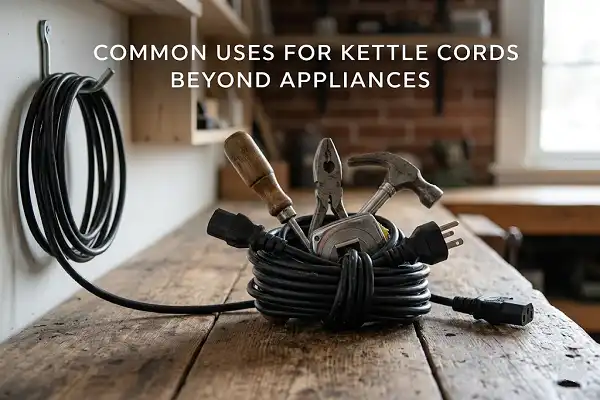
Understanding the Basics of Kettle Cords
What Makes a Kettle Cord Different?
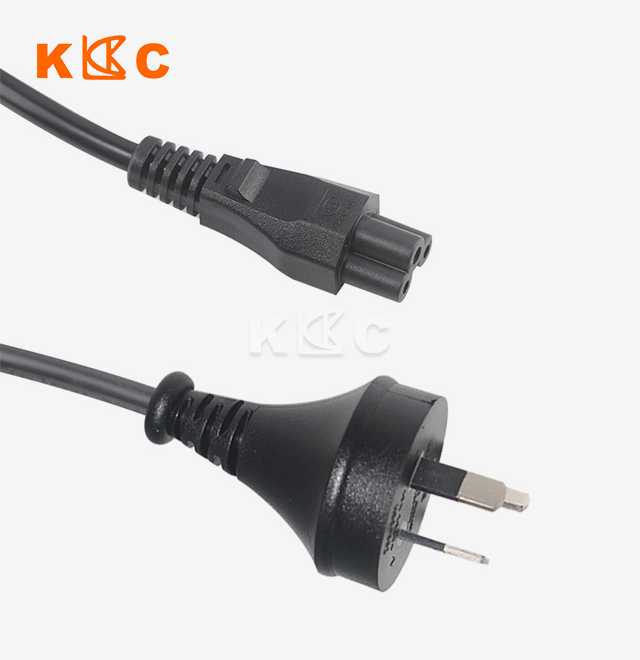
At their heart, these power cords have certain connector types—most often IEC C13, C15, or C7—paired with plugs that are made for that region, such as NEMA 5-15P for North America or BS 1363 for the UK. The IEC C15 version is easy to spot because of its unique notched shape. It is made to work in temperatures up to 120°C, which is much higher than normal C13 connectors, which are only rated for 70°C settings.
Technical Specifications That Matter
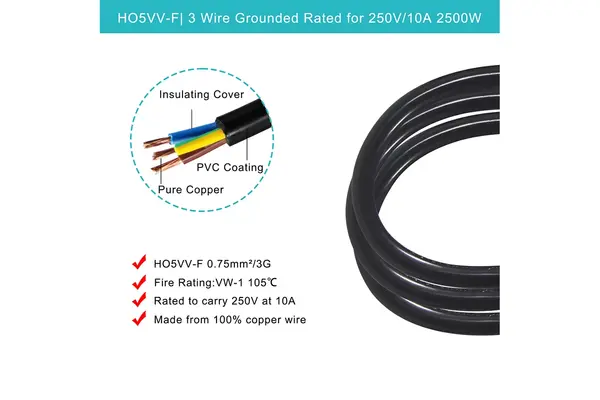
The wire diameter tells you how much electricity it can carry and how much voltage it drops. Heavy-duty 14AWG wires can handle 15A loads constantly without getting too hot, so they can be used for network switches that need a lot of power and industrial heating equipment. Standard 16AWG options offer freedom while providing enough ampacity for moderate loads. 18AWG choices are better for lighter uses where room is limited.
The makeup of the conductor affects how long it works. Stranded bare copper is a great conductor, and tinned copper types don't rust or oxidize in wet or salty conditions, which is important for naval or outdoor advertising displays. The 99.99% pure standard makes sure that there is very little resistance and that the power transmission stays the same at all temperatures.
Fixed Versus Detachable Designs
In production settings, detachable wires make upkeep and replacement easier. When a cable breaks in a computer room, workers can quickly replace it without having to shut down important systems. Fixed wires are built right into appliances, so there are fewer places where they could meet and cause problems or resistance. This is a design choice that is often used in sealed medical devices where regular removal is not allowed because of sterility rules.
Material Considerations for Industrial Use
Heat-resistant PVC insulation doesn't break down when exposed to high temperatures for a long time, and special jackets with grades like SJTW and SJTOW offer weather protection and longer durability. Silicone-jacketed versions work great in labs that need to sterilize things over and over again, because they keep their flexibility and protection even after autoclaving processes that would break down regular plastics.
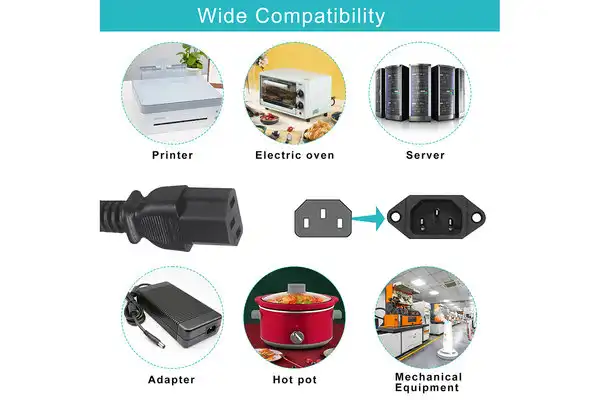
Alternative Industrial and Commercial Applications of Kettle Cords
Data Centers and IT Infrastructure
Modern server rooms get very hot, especially when racks are set up in high-density layouts. When temperatures rise above what is comfortable, our NEMA 5-15P to IEC C15 power cords stay intact. The notched C15 connector stops it from being accidentally inserted into the lower-rated C14 inlets. This creates a mechanical safety interlock that keeps expensive networking gear from getting damaged by heat.
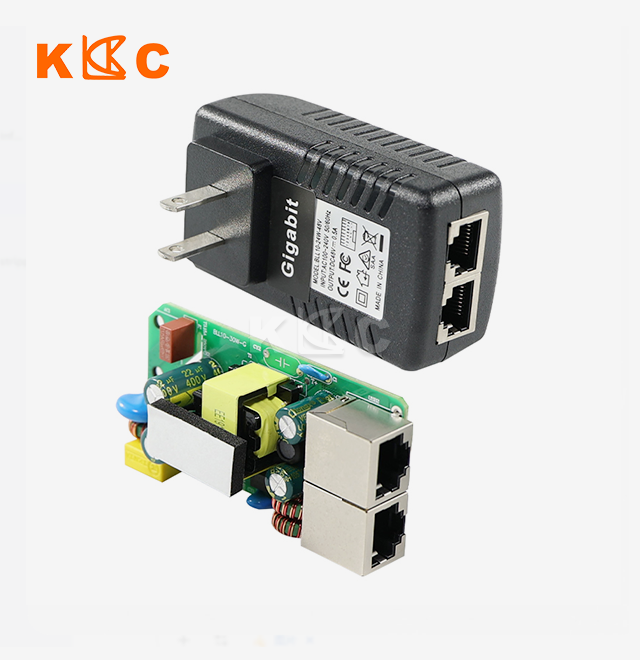
poe devices like switches and injectors that power IP cameras and wifi access points benefit from color-coded cable handling. Blue jackets may show the main power paths, while yellow jackets show the backup circuits. This makes it easy to find problems quickly during repair times. This way of organizing cuts down on the average time it takes to fix problems in large telecoms centers.
Laboratory and Scientific Instruments
Medical tools that are sterilized in desktop autoclaves move between room temperature and 134°C several times a day. Normal kettle cord power wires would break in a few weeks, but cables that are approved for temperature can handle these big changes without breaking. Analytical scales, temperature-controlled centrifuges, and distillation equipment all need steady power supply with no voltage drops that could mess up experiments or damage electronics that are sensitive.
The precision-molded C15 link keeps the mechanical bond strong even when the temperature goes up and down. This stability is important when research methods need to run without interruptions for days or weeks at a time. Losing power for even a short time could wipe out months of work and thousands of dollars in research funds.
Industrial Automation and Manufacturing
For lightweight, portable heating systems to work on plant floors, the wires need to be flexible and able to handle being moved and wound over and over again. Heavy-duty 14AWG construction keeps conductors from wearing out, and strengthened strain relief at termination points makes wires last longer in places where they are constantly bent.
Because they are common and easy to find around the world, kettle cords are often used for programmable logic processors and sensor grids. Standardized IEC connector systems make it easier to keep track of spare parts and train repair staff on a variety of equipment platforms when factories are located on different countries.
Commercial Kitchen and Hospitality Equipment
High-temperature power lines are also used in professional coffee brewing systems, soup warmers, and food storage boxes, in addition to home kettles. The strong design can stand up to oils, cleaning chemicals, and steam, all of which quickly break down consumer-grade wires. Replacing power cords every three months costs restaurants money that they don't need to spend. Our cables last for years in these tough situations.
Choosing the Right Kettle Cord for B2B Procurement: Soft Decision Support
Matching Wire Gauge to Load Requirements
Instead of depending on nameplate scores, figure out the real current draw. A device that constantly draws 12A needs 14AWG wire, even though 16AWG can handle 13A officially. This is because steady loads at full capacity speed up insulation degradation. When you mention cables rated 20–30% above peak draw, you increase their service life and lower the chance of a fire.
Connector Compatibility and Safety Keying
The combination of C15 and C16 stops dangerous mismatches. High-temperature equipment has C16 inlets that can only accept C15 plugs that are rated correctly. This automatic keying system keeps people and things safe from the heat that could happen if standard C13 wires are used in situations where the temperature is higher than what they are rated for.
Length Optimization for Installation Efficiency
Too long of a cable can cause trips and make it hard to handle, and too short of a cable makes it hard to place tools. Our flexible length choices, ranging from small 1ft server rack jumpers to 25ft spans for spread equipment layouts, let procurement teams choose the best sizes that balance freedom with a clean look during installation.
Certification Requirements Across Markets
Multi-regional compliance is needed for global business. North American safety officials are happy with UL/cUL lists, and VDE and BS certifications let products reach markets in Europe and the UK. Our wide range of certifications, which includes RoHS and REACH environmental compliance, makes it easier to get government approvals when putting goods on the market in other countries.
Professionals in procurement who have to deal with certification standards like working with makers who keep listings up to date across all jurisdictions. As standards change, we keep an eye on them and update designs to stay in line with them. This keeps your goods safe from having to be recalled or delayed at the border, which can be expensive.
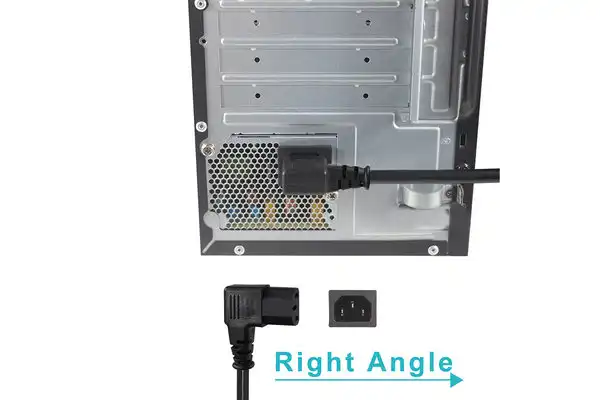
Common Issues and Solutions: Maintaining and Replacing Kettle Cords
Identifying Wear Patterns and Failure Modes
Visual inspection of a kettle cord can find common issues before they cause downtime. Discoloration near joints means that the wires are getting too hot because of loose connections or conductors that are too small. Cracks in the jacket are a sign of damage from UV light or repeated sharp bends beyond the minimum radius requirements. Exposed wire strands are signs of mechanical damage that needs to be fixed right away; continuing to use them could cause short circuits or electrocution.
Safe Replacement Procedures for Production Environments
Lock-out/tag-out processes keep people from working with energized tools, but even systems that are not energized need to be handled correctly. Record the path of the cables before removing them, take pictures of the connection points, and check the orientation after putting them in. Our 100% factory testing includes checking the polarity and the high-voltage endurance, but mistakes in the field installation process can ruin these quality checks.
Sourcing Authentic Components at Scale
Kettle cords that aren't real are easy to get, especially from online markets that aren't checked out. Poorly made wires made of aluminum-clad copper look the same on the outside, but they can catch fire when they are under constant load. Our standing as an Alibaba Verified Supplier and 17 years of experience making goods give you peace of mind that the products you order will meet your needs. We use the same suppliers for all of our materials and do all of our own quality control during production. Before being shipped, every cable goes through IQC, IPQC, and OQC checking processes.
Buying in bulk takes advantage of economies of scale and makes sure that supplies don't run out. We support small-batch restocking with no minimum order requirements. This lets you use just-in-time inventory techniques that lower the cost of running a warehouse. Stable price structures make it easier to stick to a budget over long periods of time, and private, secure tools keeps secret connector setups from being seen by competitors.
Future Trends and Innovations in Kettle Cord Technology
Advanced Materials Enhancing Performance
Next-generation insulation materials lower the diameter of the wire while raising the temperature ratings above the current limits. It's easier to put thinner profiles in equipment racks that are full of things, but they don't lower the current-carrying capacity or safety gaps. Cross-linked plastics are better at resisting chemicals than regular PVC, which means they last longer in tough industrial settings.
Smart Monitoring and Predictive Maintenance
Premium wire systems have sensors built in that check the temperature, current flow, and insulation resistance in real time. These smart power cables send status information to central monitoring systems using low-power wireless protocols. This lets predictive maintenance plans replace cables based on their real state instead of just picking random times. Failures during important production runs can be avoided by noticing degradation trends early on.
Sustainability Initiatives Reshaping Manufacturing
People who care about the environment choose materials that are biodegradable and reusable. We are looking into halogen-free flame retardants that keep up safety standards while causing less damage to the environment during production and removal at the end of their useful life. The carbon impact is smaller when production processes use less energy and logistics are optimized. This is something that procurement teams handling business environmental goals are thinking about more and more.
Industry 4.0 Integration and Automated Systems
Parts that allow digital connection are needed for manufacturing automation. As kettle cords change into data-enabled infrastructure parts, they become part of Industrial Internet of Things ecosystems. In these systems, every link point turns into a watched node that gives operating information. With this change, traditional inactive parts become active players in fault discovery and system optimization that are done automatically.
Conclusion
Specialized kettle cord power cables are used in many areas of modern industry, from serving mission-critical IT systems to making sure that precise scientific research can be done and that manufacturing processes are strong. Picking the right connector types, line gauges, temperature rates, and standards has a direct effect on how reliable the equipment is, how safe the workers are, and how much it costs to run in the long run. As tracking technologies get smarter and materials become more eco-friendly, working with experienced makers guarantees access to new solutions that meet changing needs. When procurement workers know about these technical issues, they can make smart choices about where to buy things that give their companies measured value.
FAQ
What temperature rating do I need for server room power cables?
Most offices stay below 25°C, which means that C13 connections that are designed for 70°C can work. C15 connectors rated to 120°C are helpful for high-density server racks that produce a lot of heat, especially in hot-aisle containment setups where ambient temperatures are higher than standard comfort levels. Check your specific thermal environment by watching it before you choose cables. Undersized temperature numbers pose safety risks and speed up the repair cycle.
Can I use kettle-style power cords outdoors?
Jacket scores show what kind of setting it is best for. The labels SJTW and SJTOW mean that the building is weatherproof and can be used outside temporarily. For long-term installations, however, UV-stabilized compounds and the right enclosures are needed. IP-rated waterproof versions are used for outdoor advertising screens and security camera systems that get wet. Based on information about the installation setting, our engineering team makes suggestions that are specific to the application.
How do I verify cable authenticity when purchasing bulk quantities?
Ask for proof of approval, such as test results and statements of material compliance. Reliable makers send batch-specific paperwork to source providers that shows where the materials came from. Quality signs include regular jacket thickness, properly crimped connections, and a consistent conductor strand count. Our ISO-certified production sites keep records of everything that is made, so you can follow the process all the way from the raw materials to the final inspection.
Partner with Kuncan Electronics for Your High-Temperature Power Cable Solutions
When you have problems with buying, you need manufacturing partners who know how to provide industrial-grade stability. Kuncan Electronics makes high-temperature kettle cord systems that work in tough situations where regular connections don't work. Our NEMA 5-15P to IEC C15 wires can work continuously at 120°C and keep their links strong through thousands of thermal cycles. We offer custom solutions that meet your exact needs, whether you need lines for expanding a data center, installing lab instruments, or heating systems in factories.
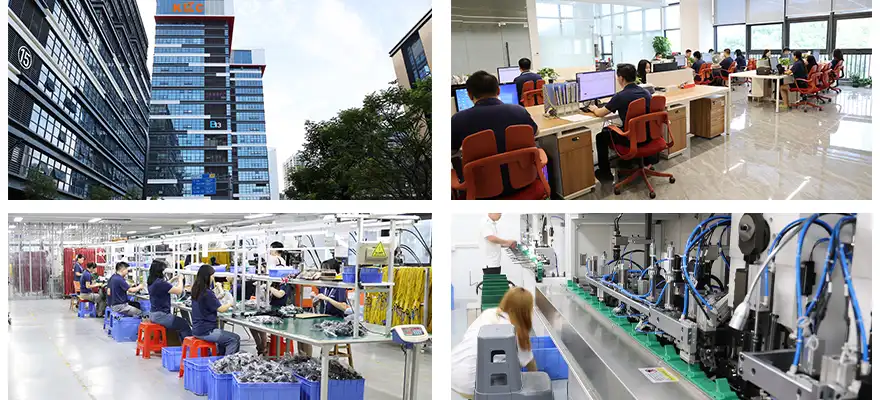
As a well-known kettle cord maker with 17 years of experience, we offer full OEM/ODM services, such as custom jacket printing, custom packing, and changes made to fit specific applications. We can send samples in 3–7 days and full orders in 15–25 days thanks to our fast production process. This lets us meet tight project deadlines without sacrificing quality. We test every wire 100% to make sure it works with high voltage and is the right polarity. We also offer a 1-year guarantee against manufacturing flaws. Email our technical team at rhea@szkuncan.net to talk about your needs and get full specs that are made to fit your working setting. Let us show you how smart relationships with your suppliers can cut down on downtime, make sure safety rules are followed, and save you money across your entire supply chain.
References
International Electrotechnical Commission. (2018). IEC 60320-1: Appliance Couplers for Household and Similar General Purposes - Part 1: General Requirements. Geneva: IEC Publications.
National Fire Protection Association. (2020). NFPA 70: National Electrical Code Handbook. Quincy, MA: NFPA Press.
Underwriters Laboratories. (2019). UL 817: Standard for Safety for Cord Sets and Power-Supply Cords. Northbrook, IL: UL Standards.
Institute of Electrical and Electronics Engineers. (2021). IEEE Guide for Temperature Monitoring of Cable Systems. New York: IEEE Standards Association.
American Society for Testing and Materials. (2022). ASTM B8: Standard Specification for Concentric-Lay-Stranded Copper Conductors. West Conshohocken, PA: ASTM International.
International Organization for Standardization. (2020). ISO 9001:2015 Quality Management Systems - Requirements and Guidance for Electronics Manufacturing. Geneva: ISO Publications.

USER EVALUATE
Here is the customer's evaluation of us