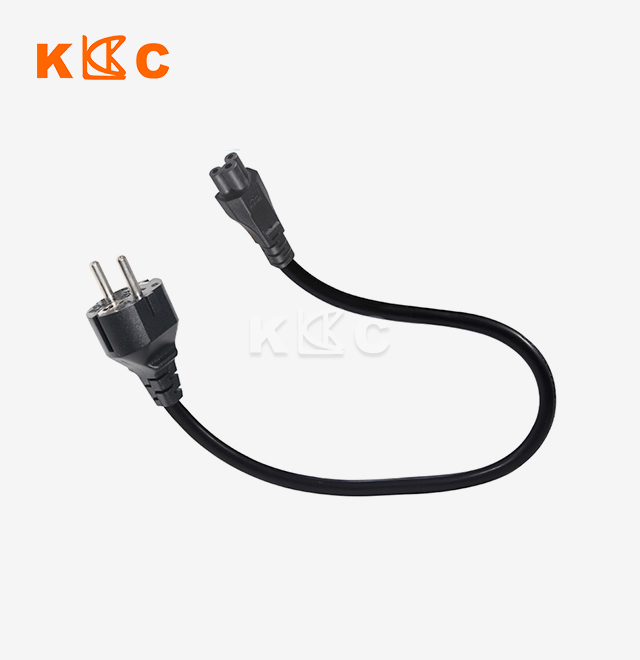

What is an IECC13 to NEMA 5-15P Power Cord?
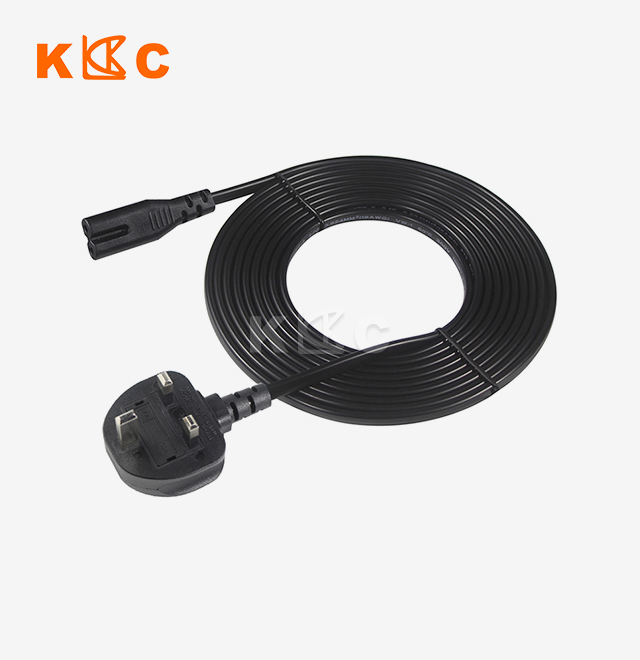
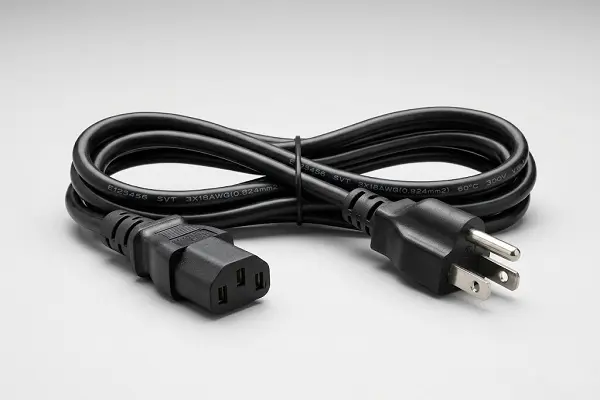
When looking for solid power connectivity options for activities in North America, it's important to know the basics. A C13 to NEMA 5-15P power cord connects normal wall outlets in the United States to IT devices made in other countries. On one end of this cable assembly is a NEMA 5-15P three-prong grounded plug that is made to fit normal 125V wall outlets in the US and Canada. On the other end is an IEC 60320 C13 female connection. The C13 plug works with C14 inlets that are popular in servers, computers, monitors, networking gear, and many other industrial devices. This setup allows for safe, grounded power transmission of 10A to 15A at 125 volts, which makes it essential for places like data centers, medical facilities, industrial automation setups, and commercial offices where reliable power delivery affects the ability to keep operations running.
Understanding C13 to NEMA 5-15P Power Cords
The power cord link between North America's electrical grid and foreign equipment standards makes it necessary for buying professionals to meet special needs. By getting clear on these technical issues, you can avoid making mistakes that cost a lot of money and make sure that everyone in your supply chain is following the rules.
Defining the IEC C13 Connector
Because it is based on international standards, the IEC 60320 C13 connection can be used with all computers and networking equipment around the world. This three-terminal female connection can connect to line, neutral, and ground wires. Its spring-loaded retention clips make sure that the electrical contact is stable. The C13 design can handle currents up to 70°C and temperatures up to 70°C. It can power office and light commercial equipment. It's widely used because it makes manufacturing more efficient—global equipment makers put in C14 plugs because they know there are power cords that work with every electricity system in the world.
Understanding the NEMA 5-15P Plug Configuration
The National Electrical Manufacturers Association sets the NEMA rules that all electrical systems in North America must follow. The NEMA 5-15P plug has a smooth grounding pin below and two flat blades that are parallel to each other. These are used to connect the line and neutral. This set-up literally stops plugging into receptacles that aren't grounded, which ensures safety through a required ground path link. The plugs' sizes and spacing are within strict limits that have been checked by UL and CSA. This means that they will always fit in the millions of outlets that have been put in homes and businesses.
Voltage and Current Specifications
The electricity limits that these power cords work within are well-defined. Standard systems can handle 125 volts AC at 60 Hz, which is what the North American grid needs. Current ability depends on the gauge of the wire. 18 AWG conductors can usually handle 10 amps, while 14 AWG conductors can safely handle 15 amps all the time. Choosing the right current ratings keeps the equipment from overheating during long periods of high load. This is especially important when powering computer equipment or industrial gear that is getting close to its maximum rated consumption. When you match specifications correctly, you can make cables last longer and keep the safety gaps that electricity codes require.
Safety Certifications and Compliance Standards
Regulatory compliance protects assets in both people and things. UL (Underwriters Laboratories) approval shows that cord systems pass strict safety tests that check for dielectric strength, temperature rise, and physical longevity. With the same testing requirements across all of Canada, CSA (Canadian Standards Association) certification opens up more business opportunities. ETL listing gives you third-party proof through Intertek, which gives you more options when buying from different sellers. For these certificates to stay valid, the plant has to go through regular inspections and tests to make sure the quality stays the same across all production runs. All of our products are up-to-date on their UL, cUL, and ETL certifications, and you can easily find the proof for your compliance checks.
Being aware of these basic factors will help your buying team make smart choices that meet both technology needs and budgetary limitations. When foreign equipment standards and regional electrical codes meet, it can be hard to find the right parts. This is something that should be taken into account from the start of the design process.
How to Choose the Right C13 to NEMA 5-15P Power Cord for Your Needs?
It takes more than matching plug types to choose the right C13 to NEMA 5-15P power cord. Throughout the lifetime of your tools, safety, performance, durability, and total cost of ownership are all affected by technical factors.
Matching Wire Gauge to Application Requirements
The conductor gauge tells you how much current it can carry and how much voltage it drops. In the American Wire Gauge (AWG) method, smaller numbers mean conductors that are thicker and can carry more power. An 18 AWG cord works with desktop computers and monitors that use less than 10 amperes, while a 16 AWG cord is better for laser printers and workstations that use more power. For rack-mounted equipment and PDU lines where 15-amp steady loads happen, server-grade 14 AWG assemblies are a must. Undersized conductors make too much heat, which speeds up the breakdown of insulation and makes fires more likely. Our engineering team can help you do load calculations to make sure that the wire size you need fits your equipment. This way, you can avoid both wasteful over-specification and dangerous under-specification.
Evaluating Cord Length and Flexibility Needs
The best wire lengths depend on where they are installed. Standard options range from three feet for laptop use to fifteen feet for equipment that is far from wall outlets. Custom lengths get rid of extra cables that get in the way in data centers, where managing cables has a direct effect on how well the cooling works. In settings that change a lot, flexibility is very important. For example, hospital carts and mobile workstations need cables that can bend over and over again without the conductors getting worn out. Our SJT and SJTW jacket formulations are the perfect mix of flexibility and toughness. They keep their electrical integrity even after being bent thousands of times. Strain relief molding at both ends of the connection stops the internal wire from breaking at high-stress transition places. This stops the most common type of failure in equipment that is moved a lot.
Considering Heavy-Duty and Surge-Protected Options
Better cord standards are helpful in demanding work settings. Heavy-duty models have stronger insulation jackets that can handle the wear and tear, chemical contact, and physical impact that is common in industrial settings. Temperature levels up to 105°C allow for hot-aisle data center setups and equipment that puts out a lot of heat. Shielded designs use aluminum mylar foil wrapping to stop electromagnetic and radio frequency interference. This keeps the purity of the signal in sensitive instrumentation applications. Integrated surge protection adds inline components for rapid voltage suppression, but separate surge suppression devices often offer better protection with fail-safe lights and parts that can be swapped out.
Balancing Cost Versus Reliability
When making purchases, people have to choose between unit price and term value. Budget cords with aluminum-clad copper wires cost less at first, but they have more resistance and oxidize faster than cords made of pure copper. Our oxygen-free copper wires reduce resistance and heat buildup, which makes them last longer in continuous-duty uses. Molded connector systems get rid of the weak spots that come with field-terminated designs and allow for automatic quality testing. The price difference between standard and premium specifications is usually less than 2% of the value of the linked equipment. However, the premium specifications greatly lower the failure rate and the costs of downtime that comes with them. We do in-depth total cost of ownership studies that compare different levels of specification. This helps you see why you should spend money on reliability when operating consistency calls for high-end solutions.
Together, these selection factors will help you find the best specs for your rollout situations. To find a balance between professional needs and available funds, you need to know how each factor affects performance and durability.
Purchasing and Sourcing Strategies for C13 to NEMA 5-15P Power Cords
A good buying process for a C13 to NEMA 5-15P power cord strikes a balance between a number of goals, such as unit economics, supply dependability, compliance verification, and the ability of suppliers to provide good service. Strategic buying methods help you balance these different needs throughout the whole duration of your equipment deployment.
Identifying Reputable Distribution and Manufacturing Channels
Power cords can be bought from a variety of places, including store distributors, specialized electrical providers, and manufacturers directly. Large electrical wholesalers offer a wide range of products and keep stock locally, making them ideal for replacing broken parts quickly and meeting small-quantity needs. But their price models have more than one layer of margin, and the only things that can be changed are the ones that are in their store. Specialized manufacturing partners, such as Kuncan Electronics, offer prices straight from the plant and full freedom in terms of specifications. Our standing as an Alibaba Verified Supplier means that our manufacturing skills, quality systems, and business practices have been checked by a third party. This makes it easier for your buying team to find qualified suppliers. This verification includes checks of the facility itself, a review of the certification paperwork, and an analysis of the transaction history. This gives trust in the supplier's dependability.
Understanding Pricing Models and Volume Advantages
Buying in bulk has big economic benefits by making production more efficient and improving the way materials are gotten. Volume price levels usually start at 500 pieces, and savings get bigger as the number of pieces you buy goes up. Our price system doesn't include any hidden setup or tooling fees. Even custom specs get clear quotes that cover the full cost of the job. Small-batch restocking lets inventory management techniques work without putting limits on minimum orders for purchases that are made more than once. Payment terms designed for business-to-business relationships include NET30 agreements after the first order is placed, which helps you control your cash flow.
Managing International Logistics and Compliance
When you buy something across borders, you need to pay attention to shipping details, customs paperwork, and following the rules. Our factory in Dongguan is close to a lot of different shipping options, such as air freight for quick deployments, ocean shipping for cheap bulk transfer, and rail choices that balance cost and transit time. Having all the necessary export paperwork, like business bills, packing lists, and certificates of origin, makes the customs clearance process go more quickly. All of the goods meet the standards for RoHS and REACH compliance and come with proof, which keeps customs from holding up or rejecting them. Labels with the country of origin and UL approval meet U.S. import standards and don't need any extra labeling or processing when they arrive.
Prioritizing After-Sales Support and Service Agreements
Supplier ties go beyond the delivery of goods. Our one-year guarantee covers problems with the materials or the work, and we can quickly send you a new one. Technical support ease helps with installation questions, clarifying specifications, and fixing problems by putting you in touch with the engineering team directly. Quality problems are looked into right away, and corrective action reports show how the problem was found and how it will not happen again. This all-around help method keeps your operations running smoothly and gives you confidence in the long-term dependability of your suppliers. These methods for sourcing work together to help you get the best deals on cost, quality, safety, and relationships with suppliers. Competitive benefits are gained through solid supply chain performance, which comes from carefully choosing suppliers and building relationships with them.
Best Practices and Tips for Power Cord Management and Safety
Installing, updating, and managing the lifecycle of a C13 to NEMA 5-15P power cord service correctly can make it last longer while keeping it safe and reliable during practical deployment.
Installation and Handling Guidelines
When you put something correctly, it doesn't break down early and there are no safety risks. When routing wires, keep them away from sharp edges, pinch points, and places where people or equipment might move. To keep the minimum bend radius, which is usually six times the width of the wire, you need to make sure that the connection places don't cause stress on the conductor or damage to the insulation. Instead of putting too much stress on the wires, which can damage the connector joints, use the right management tools to keep them safe. Before connecting sensitive equipment, use receptacle testers to make sure the outlets are properly grounded. This will protect against fault conditions and ensure the purity of the ground line. Our plastic strain relief designs can handle normal installation loads. To get the most out of their service life, however, they should not be subjected to extreme bending or pulling forces.
Preventing Common Failure Modes
Visual inspections done on a regular basis can find problems before they become major ones. Check the jacket for damage like cuts, scrapes, or changes in color that could mean it was exposed to heat. Check the bodies of the connectors for cracks or damage that could mean they've been hit or put in too far. Check that the connectors are securely attached—loose connections cause reactive heating, which speeds up the failure process. If you see signs of damage on a cord, replace it right away instead of waiting until it breaks completely and stops operations. Over time, environmental factors like high temperatures, water contact, and chemical exposure weaken insulation qualities. Our jacket formulations offer better protection to the environment, but they still need to be replaced on a regular basis based on the working conditions to keep safety margins at their best.
Promoting Sustainable Practices
Responsible lifecycle management takes into account both how well the business runs and how well it takes care of the environment. Choose the right specs at the start to avoid having to repair things too soon because they didn't meet the requirements. Our RoHS and REACH-compliant materials don't contain any harmful chemicals, like lead, mercury, or limited flame retardants. This makes it easier to recycle and get rid of old products. Combine wire management by using the right lengths and routing to cut down on material use and improve airflow in equipment cases. If you need to repair something, you can get in touch with local electronics recycling centers that take wire assemblies so that the copper can be recycled and the insulation can be thrown away properly. These practices make sure that practical needs are met along with the company's sustainability goals, and they also keep you in line with regulations throughout the lifecycle of your tools. By using these management techniques, you can protect your investments in tools and keep safety standards high during active deployment. Taking care to handle, watch, and plan for the lifetime of your power infrastructure components properly will get you the most value out of them.
Conclusion
Understanding the specs, selection criteria, and buying strategies for IEC C13 to NEMA 5-15P power cords helps you make smart purchasing choices that support your business needs. These important connectivity parts connect the electrical grid in North America to equipment standards around the world. They are used in a wide range of places, such as data centers, medical facilities, industrial robotics, and business office spaces. When you match the specs correctly, taking into account things like wire size, cord length, weather conditions, and certification needs, you can be sure of safety, dependability, and the lowest total cost of ownership. Strategic relationships between suppliers and production experts offer more customization options, better prices, and more technical help than normal routes of distribution. Kuncan Electronics has been making electronics for seventeen years and has all the necessary certifications, customization options, and quick service to meet all of your connectivity needs, from the initial design phase to ongoing operating deployment.
FAQ
What current rating should I specify for server equipment?
For server-level uses, 14 AWG wires with a 15-amp continuous duty rating are usually needed. This thicker gauge reduces voltage drop during times of high load and allows for temperature headroom, which keeps insulation from breaking down in hot data center settings. The standard makes sure that the equipment can still work safely even when it's getting close to its highest rated usage, like when it's being used for virtualization or when computing loads are high.
Can these cords handle outdoor installations?
Standard systems work well in controlled indoor settings. For outdoor use, you need special SJTOW or SJTW clothing formulas that don't absorb water and don't fade in UV light. Heavy-duty standards with better environmental protection are better for installations that are subject to direct weather, extreme temperatures, or physical harm. Through custom specification creation, we can make outdoor-rated versions that work in the situations you specify.
How do shielded variants benefit sensitive equipment?
Shielded power lines have aluminum mylar foil wrapped around the conductors and the outer jacket. This keeps electromagnetic interference and radio frequency noise from getting into the equipment that is attached. This is useful for lab instruments, music production gear, and medical monitoring tools where power line noise can make measurements less accurate or signals less clear. The protection keeps the power flowing cleanly in places with a lot of electrical noise.
What documentation supports regulatory compliance?
UL test records, CSA certification letters, and declaration of conformity statements for RoHS and REACH compliance are all parts of full certification paperwork. We give you product specification sheets, country-of-origin certificates, and material composition statements to help you meet the standards for government filing. This paperwork makes it easier for everyone in your supply chain to clear customs, do safety checks, and make sure that purchases are legal.
Partner With Kuncan Electronics for Your Power Cord Requirements
Kuncan Electronics is your go-to company for power cords, offering professional-grade C13 to NEMA 5-15P power cord kits for tough medical, industrial, and business uses. Our NEMA 5-15P to IEC C13 power lines have flame-resistant jackets and oxygen-free copper wires that can handle 10A to 15A. They are fully certified by UL, cUL, and ETL. We can fully customize OEM/ODM orders, including choosing the wire gauge, making unique lengths, matching the jacket color, and putting your name on the labels. Samples are sent out within a week, and full production takes anywhere from 15 to 25 days, depending on how many are needed. Before it is shipped, every part goes through 100% continuity testing to make sure it is professional quality. Email our technical team at rhea@szkuncan.net to talk about the details of your project and get thorough quotes that will help you with your purchase evaluation.
References
National Electrical Manufacturers Association. (2021). NEMA Standards Publication WD 6: Wiring Devices—Dimensional Specifications. National Electrical Manufacturers Association, Rosslyn, Virginia.
International Electrotechnical Commission. (2018). IEC 60320-1: Appliance Couplers for Household and Similar General Purposes – Part 1: General Requirements. International Electrotechnical Commission, Geneva, Switzerland.
Underwriters Laboratories. (2019). UL 817: Standard for Safety Cord Sets and Power-Supply Cords. Underwriters Laboratories Inc., Northbrook, Illinois.
CSA Group. (2020). CSA C22.2 No. 21: Flexible Cord and Cable. Canadian Standards Association, Toronto, Ontario, Canada.
Institute of Electrical and Electronics Engineers. (2017). IEEE 1100: Recommended Practice for Powering and Grounding Electronic Equipment. Institute of Electrical and Electronics Engineers, New York, New York.
American Wire Gauge Standards Committee. (2022). AWG Wire and Cable Specifications for Power Distribution Applications. American National Standards Institute, Washington, District of Columbia.

USER EVALUATE
Here is the customer's evaluation of us