
Essential Tips for Choosing the Right AC Power Cord?
To pick the right AC power cord, it's not enough to just match the plug to the outlet. The choice has a direct effect on how safe it is to use, how long the tool lasts, how much energy it uses, and how well it meets international standards. To find the right parts for making electronics, medical equipment, smart buildings, or industrial automation systems, you need to know the differences between voltage levels, socket types, insulation grades, and settings that they can work in. A good AC power cord cuts down on downtime, keeps things from breaking, and makes it easier to spread across the world. Because of this, it's an important item for every B2B worker to buy.
Understanding AC Power Cords: Key Basics Every Buyer Should Know
AC power cords are the most important link between plugs and gadgets that work because they safely send alternating current. These wires are made up of conductive lines that are covered by padding to keep them safe. They end in standard plugs and links that are made to connect to certain gadgets and sockets.
Voltage Ratings and Current Flow
To find out how much electricity a cord can take before breaking, look at its voltage number. Ratings like 125V for home use in North America and 250V for business use and use outside of North America are popular. The type of current flow (amperes) in the cord tells you how much energy it can safely hold. The device could break if you plug a 10A cord into a 15A device.
Connector Types and IEC Standards
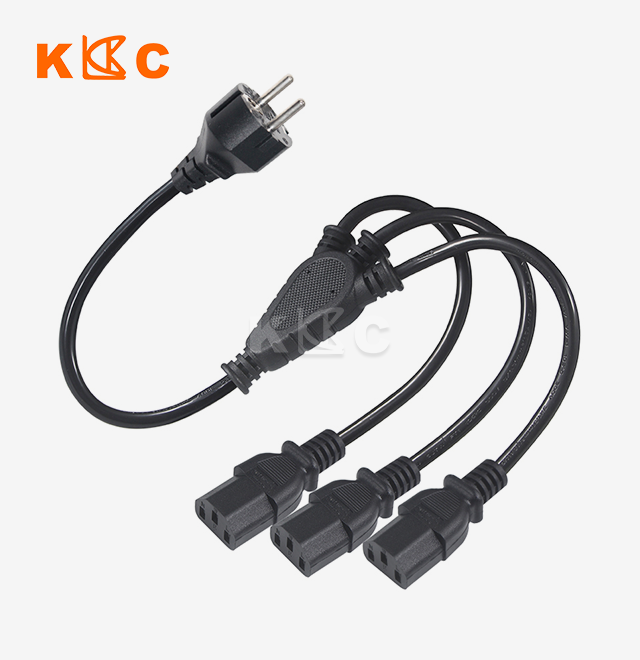
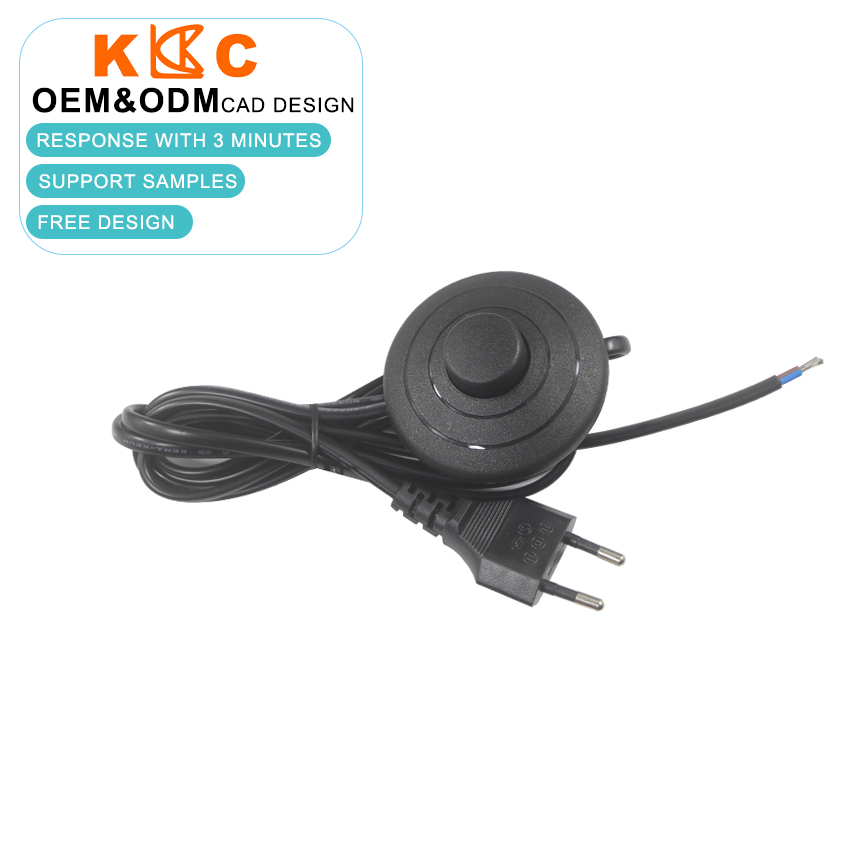
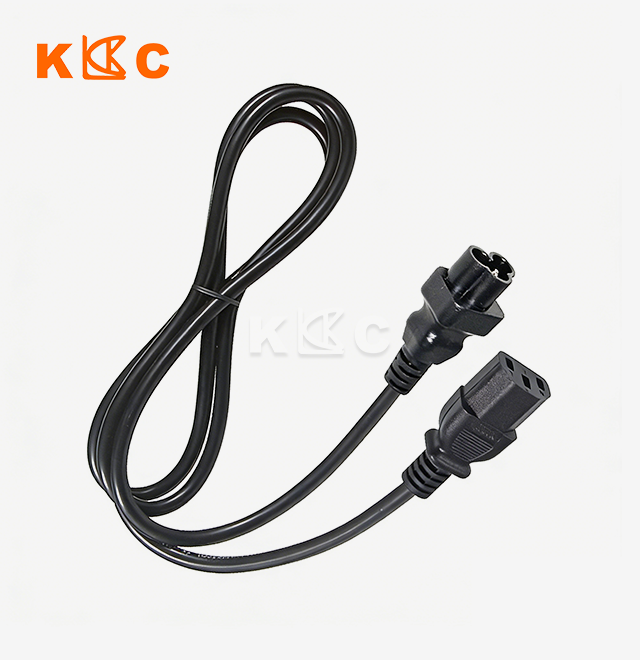
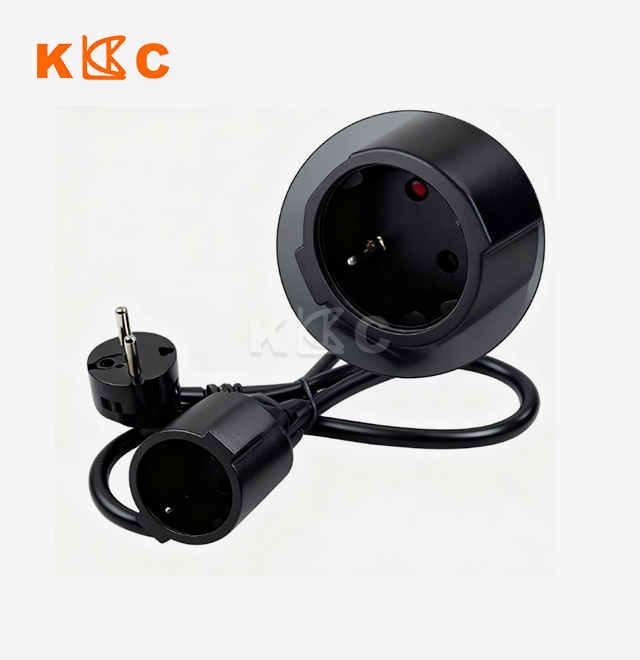
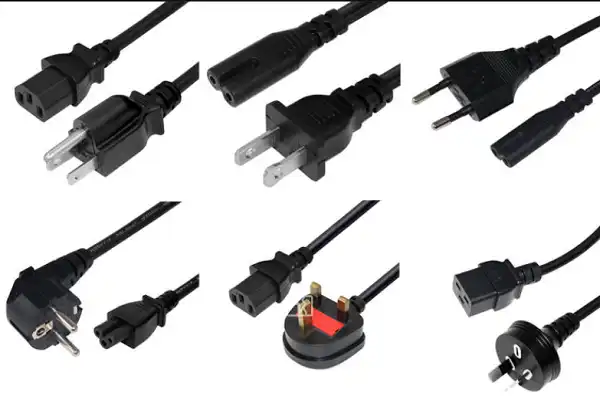
The International Electrotechnical Commission (IEC) sets rules for how shapes and arrangements of joining pins must be done. Servers, computers, and networking gear are all powered by the same pair of connections, C13/C14. On the other hand, C19/C20 lines power more powerful equipment, like industrial computers and medical imaging devices. We need to make sure that NEMA 5-15 plugs in the US, BS 1363 plugs in the UK, and CEE 7/7 (Schuko) plugs in Europe all work with the outlets that are set up in each country.
AC versus DC Power Cords
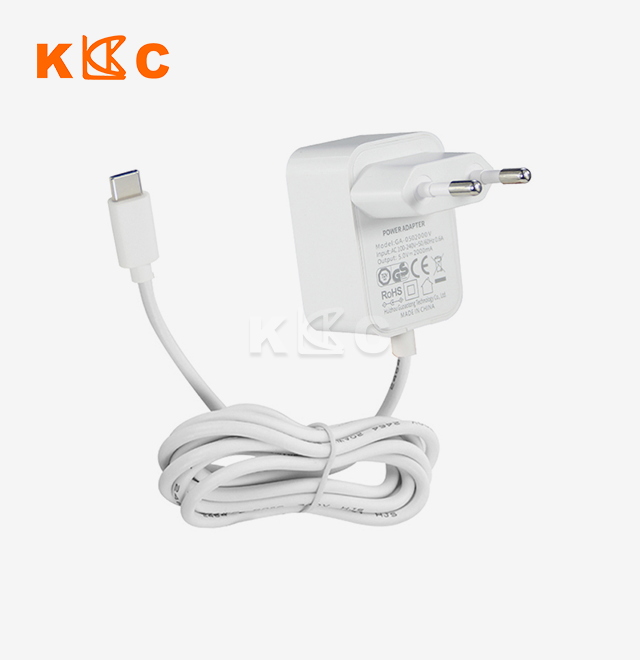
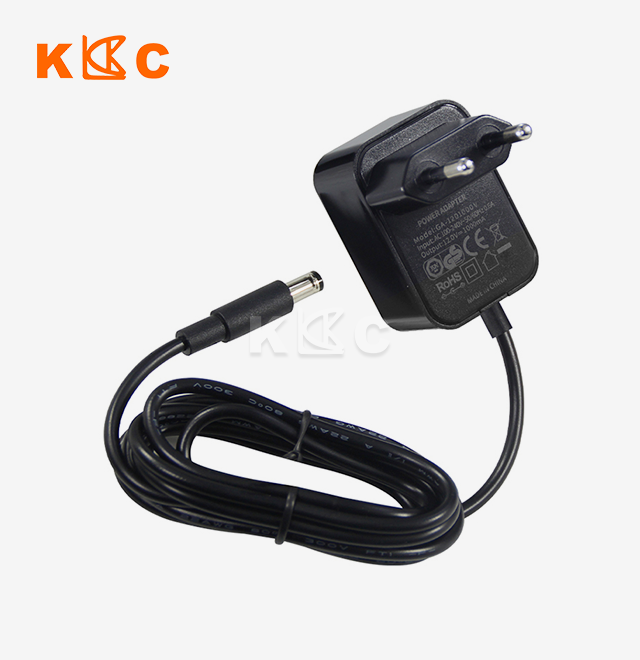
You can avoid making mistakes that cost a lot of money if you know the difference between power lines that use alternating current (AC) and direct current (DC). AC wires give power that changes way every so often. This is how mains electricity works. On the other hand, DC wires only send power in one direction and are generally used when there is low voltage or a battery is present. These kinds won't work with each other, and mixing them could hurt your tools.
Cable Length and International Compliance
How easy it is to use and how much power drops depend on how long the connection is. For longer runs, you may need a bigger gauge wire for better performance. Standards like UL (in North America), VDE (in Europe), SAA (in Australia), and CCC (in China) are important for supply chains around the world. With each license, the business shows that it follows the safety rules of the area. This makes it easier to enter new areas and pass compliance checks.
How to Choose the Right AC Power Cord for Your Business Needs?
To get the most out of your purchase, you should first make a clear list of your working scenarios. This should include power, equipment compatibility, plug types, and the environment. A systematic review strategy can help you find a good balance between your technical needs, your budget, and your ability to rely on the system in the long run.
Evaluating Electrical Specifications
To begin, make sure you know how much power and electricity your AC power cord needs. Anything that needs 12A on a 125V plug needs a cord that can handle at least 15A to be safe. The size of the wire affects how much current it can carry. 18 AWG wires can handle 10A of current, 16 AWG wires can handle 13A, and 14 AWG wires can handle 15A. It is very important for high-power or long-distance uses to use smaller lines (lower AWG numbers) because they reduce heat buildup and voltage drop.
Assessing Environmental Demands
How the wires are made depends on how they will be used. Standard PVC insulation works for electronics in climate-controlled offices, but lines with a rubber cover like H07RN-F are needed for industrial automation equipment that is used in places where the temperature can range from -40°C to +85°C. In hospital situations, wires must be IEC-certified, have Class II insulation, and not leak more than 100µA to keep people safe. Smart building monitors, security cameras, and digital signs that are put up outside are kept dry and protected from the sun by waterproof lines and jacketing that is rated IP67 or IP68.
Comparing Standard and Heavy-Duty Options
Standard wires are cheap and easy to handle, so they are good for office tools and light-duty chores. Heavy-duty cords are great for places with a lot of vibration, like factory floors, construction sites, and other places like that. They have bigger wires, better insulation, and strain-relief boots. When plugs are set in place, they last longer and break less often, but detachable plugs are easier to change and adjust.
Prioritizing Certifications and Supplier Credibility
Legal signs, like ETL, UL, VDE, CE, and RoHS, show that safety and environmental rules have been followed. Suppliers who are Alibaba Verified or have ISO 9001 certification show that they care about doing business in an honest way and managing quality. See what the promise covers, how fast they answer technical questions, and how good their customer service is after the sale. People who sell things with a one-year guarantee against mistakes in production and quick repair cycles show that they are sure the item will work and the customer will be happy.
Comparison of AC Power Cord Types and Features: Finding the Best Solution for Your Application
There are a lot of different kinds of AC power cords on the market. To make smart buying decisions, you should know how they work differently. The things that make brands stand out, like Tripp Lite, Belkin, and APC, are what make them famous. But new sources like Kuncan Electronics offer better quality at a lower price and more ways to make it your own.
Connector Configurations and Cable Construction
IT tools depend on C13 connections to work. They take care of everything, from home computers to servers for businesses. Because they can handle more electricity, C19 connections can be used with power delivery units and industrial tools. Medical safety rules are very strict, so hospital-grade plugs have green dots and better grounding. For indoor use, standard PVC is a cheap way to protect the wires, while braided cable wrapping looks good and lasts a long time. When wires are outside or in an industrial setting, they are often exposed to oil, water, and chemicals. Rubber-sheathed wires (H07RN-F) work great in these conditions.
Surge Protection and Grounding Options
Heavy-duty lines with surge protection have metal oxide varistors (MOVs) built in to stop power spikes. This protects delicate electronics when lightning hits or the power grid changes. When lines are grounded, they send fault currents to earth safely. This lowers the chance of getting shocked or having electromagnetic interference. Medical-grade lines have many safety features and precise control over leakage, which is important for devices that are connected to patients. Which one you pick will depend on the rules, how sensitive the equipment is, and how much risk you are willing to take.
Durability and Eco-Friendly Materials
This method for selecting an AC power cord looks at more than just an item's price. It also considers how long it lasts and how it impacts the world. Cadmium and lead are taken out of lines that are RoHS-compliant. This helps businesses reach their green goals and makes recycling easier. It takes less work to keep high-flex lines in good shape because robotic arms and other moving tools can bend them over and over again. When UV-resistant clothes are worn, outdoor signs and solar panel sets don't break. Even after years of being in the sun, they still work well.
You need to look at the total cost of ownership to find the best deal between price and value. For instance, a good cord that lasts five years is less expensive and more stable than three cheap fixes. Labeled prints, tailored lengths, and color-coded jackets are becoming more and more important to B2B clients who want to better handle their inventory and keep their brand consistent across global deploys.
Safety and Maintenance Tips for AC Power Cords in Industrial and Office Environments
Safety is very important when picking out and using AC power cords, especially in places where a lot is at stake, like businesses. If you use wires with the wrong voltage levels or don't check your machines often enough, you could break them down, start a fire, or get fined by the government. Putting in place preventive safety measures saves workers, property, and the business itself.
Avoiding Common Selection Errors
Most people who buy things make the mistake of getting power rates that don't match. If you plug a 125V cord into a 250V European outlet, bad things will happen. In the same way, problems with burns can happen when the amperage number is too low. At all times, before you place an order, you should look at the device nameplates and make sure they match the line specs. Lines made for indoor use will get wet and lose their insulation if they are used outside. If you don't check IP ratings for places that get wet, facilities could get shocks and equipment could rust.
Implementing Routine Inspection Protocols
Regular checks of the cords' appearance and electricity can make them last longer and keep accidents from happening. Check for broken insulation, bare wires, bent ends, and connections that aren't tight once a month in places that get a lot of use. Cameras that use thermal imaging can find places where there are resistance problems before they get worse. Tests for continuity make sure that the wires' tracks are not broken, and tests for insulation resistance (meggers) make sure that the dielectric is stable. Make a note of what you found, and get rid of any worn-out lines right away.
Storage and Handling Best Practices
Things don't break or get dirty if you store them the right way. If you twist the wires lightly and without kinks, you can avoid tight turns that stress the insulation. Keep it somewhere dry and cool, away from chemicals and other dangerous things. People won't use the wrong wires if they are marked with voltage, amperage, and their intended use. When you're putting, don't put the cords through doors or under rugs, where they could get tangled or worn out. Use raceways, clips, and grommets, among other things, to keep cords in place and lower the risk of falling.
Adhering to Industry Standards
In the US, you have to follow OSHA rules for AC power cord. Around the world, you have to follow IEC rules. For example, NFPA 70 is for electricity systems, and IEC 60601 is for medical equipment. Certified electricians check often to see if rules are being followed and to find new dangers. To make a safety culture that protects both people and processes stronger, teach workers how to deal with cords, set load limits, and handle situations.
Procuring AC Power Cords: Best Practices for Ordering and Supplier Selection
Along with product specs, smart source selection and order handling are also important parts of buying that works well. Putting needs into groups based on how often they need to be replaced, how many times they will be used, and how customized they need to be. This makes buying easy and improves the turnover of goods.
Segmenting Procurement Requirements
When companies that make consumer goods buy in bulk, they need sellers whose quality doesn't change when they buy a lot of different items. When companies need to make specialized medical equipment or robots on demand, they need engineering teams that can make samples, test them, and make changes quickly. To keep downtime to a minimum, maintenance parts have low minimum order amounts and ship quickly. It's important for sellers to understand these changes so that everyone knows what to do and the order is finished quickly.
Vetting Suppliers and Certifications
Providers you can trust follow well-known standards like ETL, UL, VDE, SAA, and CE, and if you ask, they can give you clear papers. Alibaba Verified Suppliers have been checked by a third party to show that the companies are real and run honestly. When you get ISO 9001 approval, it means that your method for quality control is strong. Before you place a big order, you should ask for samples and have a third party test them to make sure they meet all the standards for compliance, electrical performance, and mechanical durability. References from past clients can tell you a lot about how trustworthy, open, and good at fixing issues someone is.
Logistics and Customization Options
Lead times depend on where the goods come from and how hard they are to make. It could take a few weeks to ship custom specs like different shaped connectors, jackets that match the color, and labels that are already labeled. Setups that are standard ship within days. When you buy from suppliers with no-MOQ policies, you can restock in small batches and do trial runs. This lowers the risk of capital lockup and products going out of style. To make sure that supply and demand are in line, talk about terms for faster production, delivery plans that are broken up into stages, and inventory swaps.
Leveraging Long-Term Partnerships
Getting to know your companies on a practical level can help you in more ways than one. Account managers keep you up to date on changes to rules, new goods that are important to you, and market trends. With collective planning, your production plans are in sync with your demand flow. This makes the best use of your resources. Preferred price structures and priority sharing when supplies are low show that you value loyalty and help you stay ahead of the competition. Performance reviews and scorecards make sure that everyone is on the same page and push the relationship to keep getting better.
Conclusion
To choose the best AC power cord, you need to think about the safety rules, the aesthetic needs of the space, and the name of the seller. You can learn about everything from power rates and connecting standards to insulation grades and how hard it is to get a license. Each choice you make affects how well the system works and how much risk you are taking. If you keep up with maintenance, buy smart, and work together with your providers strategically, you can turn cheap power lines into competitive benefits. If B2B workers follow the steps in this guide, they can source with trust, knowing that their power infrastructure will support continuous operations, following the rules, and long-term business success.
FAQ
How do I verify if an AC power cord is compatible with my device?
Check the label to see what kind of power (125V or 250V), amperage (10A), and plug type something has before you buy it. Check these specs against the cord's grade and how the plug is set up. To make sure the line works with your device, check that the wire size (AWG) can handle it plus a little more. If you're not sure what kind of cord to use, look at the equipment's directions or call the company that made it.
What certifications should I prioritize when sourcing AC power cords?
There are a lot of UL and ETL approvals in North America. These marks show that safety standards are being met. In Europe, VDE approval is the best because it comes from independent testing and makes sure there are no risks. The CE mark means that the item is safe and compliant with EU rules, and the RoHS mark means that it doesn't have any harmful materials in it. SAA takes care of Australia and New Zealand. For medical uses, you need to have IEC 60601 approval. At the top of your list should be titles that are important to your business and the people you want to do business with.
When is surge protection necessary for AC power cords?
When the power goes out or when heavy machinery starts up, voltage spikes can damage computers, networking gear, and medical devices. Surge-protected cords keep these devices safe. Buy surge defense for less money than it costs to buy new tools. Options that protect against surges are needed in places like factories where there are a lot of transients and lightning hits often. When used in an office, most standard IT equipment needs at least two grounded lines. For systems that are important for missions, surge security is needed.
Partner with Kuncan Electronics for Reliable AC Power Cord Solutions
If you want to buy something, Kuncan Electronics can help you. They have approved, flexible AC power cord choices that are made to meet the needs of many different businesses. Your items will be safe because we have been making them for 17 years and are an Alibaba Verified Supplier. They also meet ETL, VDE, CE, and RoHS standards. Our OEM/ODM services can help you whether you need a lot of wires for consumer electronics, wires that are tough enough for industrial automation, or medical-grade lines that are precisely controlled for leaks. In 3–7 working days, we send out samples, and we fill large orders quickly. Our MOQ rules are flexible enough to fit projects of any size. By emailing our team at rhea@szkuncan.net, you can get a full price quote from a reputable AC power cord maker that cares about quality, compliance, and fast service.
References
National Electrical Manufacturers Association. (2021). NEMA Wiring Devices: Dimensional Specifications and Performance Standards. Rosslyn, VA: NEMA Publications.
International Electrotechnical Commission. (2020). IEC 60320-1: Appliance Couplers for Household and Similar General Purposes – Part 1: General Requirements. Geneva, Switzerland: IEC Central Office.
Underwriters Laboratories. (2022). UL 817: Standard for Safety for Cord Sets and Power-Supply Cords. Northbrook, IL: UL Standards & Engagement.
Verband der Elektrotechnik, Elektronik und Informationstechnik. (2019). VDE 0282-1: Rubber and PVC Insulated Cables – Rated Voltages up to and Including 450/750 V. Frankfurt, Germany: VDE Verlag.
Occupational Safety and Health Administration. (2023). OSHA 1910 Subpart S: Electrical Safety-Related Work Practices. Washington, DC: U.S. Department of Labor.
European Commission. (2021). Directive 2011/65/EU: Restriction of the Use of Certain Hazardous Substances in Electrical and Electronic Equipment (RoHS). Brussels, Belgium: Official Journal of the European Union.

USER EVALUATE
Here is the customer's evaluation of us