
Uses and Advantages of the C13 Cable - Unlocking the potential
According to current business practices, the C13 cable power solution is one of the most effective and widely used ways to connect power. Standardized power lines connect desktop computers, monitors, servers, and professional audio equipment to wall plugs in a way that is safe and reliable. They are known around the world as the backbone of IT infrastructure. When purchasing managers and engineers know about the technical specs, buying strategies, and practical benefits of C13 cable power, they can make choices that improve the reliability of equipment while keeping costs low in a wide range of industries.
Understanding the C13 Power Cable: Specifications and Functionality
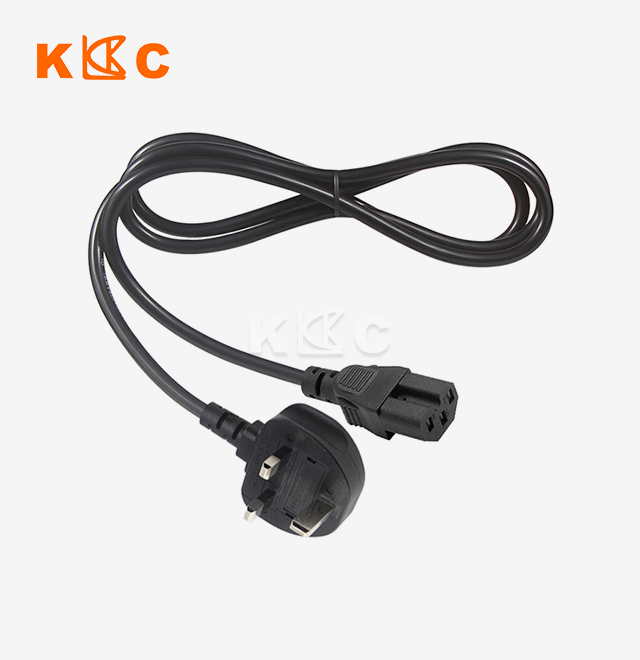
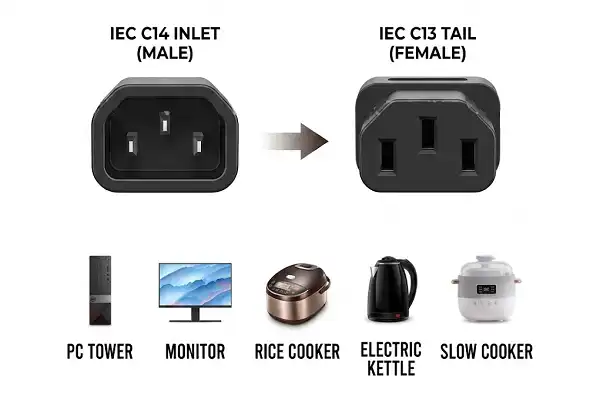
The standard layout of C13 cable power has changed how companies connect to power sources. The IEC 60320-1 international standard sets the rules for these cables, which have a unique three-pin female connector designed to fit safely into C14 ports on most IT devices.
Technical Specifications That Matter
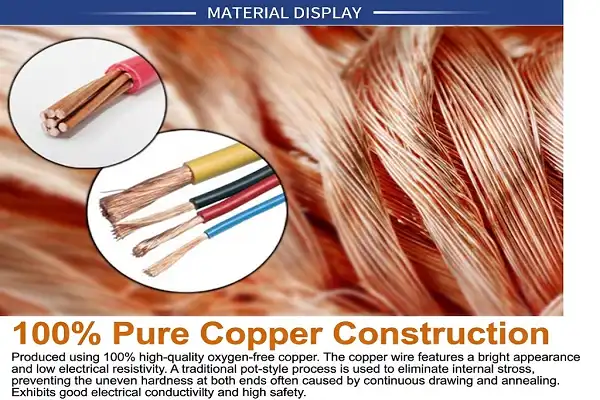
The main thing that makes quality C13 cable power valuable is their electrical performance. At 250 volts AC, these cables can usually handle currents of up to 15 amps in North America and up to 10 amps in foreign areas. The material of the conductor is very important for efficiency. High-purity stranded bare copper reduces resistance and heat buildup when loads are applied for a long time. Copper that is 99.99% pure and oxygen-free is used in high-end wires to ensure the best efficiency and durability. At 500 volts DC, the insulation resistance must be more than 100 megaohms, and the dielectric hold voltage should be more than 2000 volts AC for one minute without breaking. These parameters are more than just numbers on a piece of paper; they have a direct effect on the safety of tools and the ability to keep operations going in mission-critical settings.
Construction Materials and Safety Features
Industrial-grade cables are different from household lines because of the jackets they have. Industrial-grade PVC or rubberized thermoplastic materials with names like SJT, SJTOW, or H05VV-F are used in professional C13 cable power to C14 wire systems. These materials are flame retardant and meet VW-1 or FT1 standards. They are also resistant to oil and wear in harsh industrial settings. Temperature rates depend on the application. Standard operation works in temperatures up to 70°C, while high-temperature versions rated for 105°C are designed to handle hot computer exhaust zones in data centers with a lot of people. When made to high standards, the "cold condition" connection design lets hot-swapping happen in redundant power setups without the risk of arcing. This is a feature that is very helpful for keeping equipment up and running while it is being serviced.
Mechanical Durability and Connection Reliability
Physical robustness goes beyond what is required for electricity standards. Pull-out force resistance for quality C13 cable power systems is usually between 10 and 50 newtons. This keeps them from disconnecting by accident but lets them be taken off on purpose for equipment maintenance. Mating cycle durability testing goes beyond 3,000 insertion and withdrawal cycles, which makes sure that the link stays strong throughout the duration of the product. In North America, conductor gauges range from 18AWG to 14AWG, or 0.75mm³ to 1.5mm³ globally. This is so that different types of tools can get the power they need.
Comparing C13 Cable Power with Other Power Cables: Making the Right Choice
To choose the right power connection, you need to know how C13 cable power stacks up against other options. The choice has effects on not only instant compatibility but also operating efficiency and safety compliance in the long run.
C13 Versus C15: Temperature Tolerance Differences
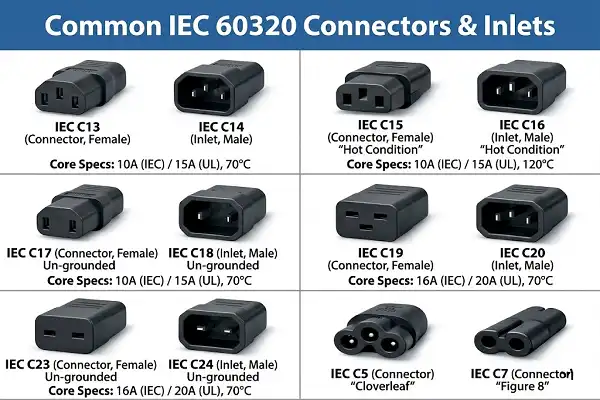
Even though they look the same, interconnect/c13-to-c14-cable">C13 cable power and C15 connections are used in different situations. The C15 connector has a notched shape and a better temperature rating; it can usually handle steady work at 120°C, while the C13 cable power can only handle 70°C. Because of this difference in temperature, C15 wires are the best choice for high-wattage devices that make a lot of heat, like electric kettles, some server power sources, and industrial heating elements. On the other hand, the widely used C13 cable power is still the best choice for regular IT tools where thermal loads stay within normal limits. Instead of automatically choosing higher-rated cables, procurement teams should look at the real working temperatures. This is because C15 cables usually cost more and may not be worth the extra money in normal office settings.
C13 Versus C19: Power Capacity Considerations
The C19 connector offers a reliable substitute for C13 cable power when machine power requirements are higher. C19 cables can handle currents of up to 16 or 20 amps, based on the standards in the area. This means they can be used with servers, blade chassis, and industrial computer tools that need a lot of power. To safely handle higher electrical loads, the C19 connector has a bigger physical profile and more grounding points. Before deciding on a standard cable type, organizations that are expanding their infrastructure or putting in high-density computers should do load estimates. Mixing C13 cable power and C19 infrastructure based on real power needs reduces both safety gaps and purchase costs.
Flexibility and Industrial Stress Factors
Flexibility of the cable affects how well it is installed and how reliable it is in the long run. Rigid wires make it hard to route them through cable management systems, and they put stress on joints, which could make links loosen over time. Premium C13 cable power leads have stranded conductors and jacket formulas that are designed to balance flexibility and longevity. In industrial settings, wires are often exposed to oils or chemicals, shaken, and bent over and over again. Cables that meet industrial standards can handle these stresses because they have chemical-resistant jacket compounds and strengthened strain relief at connector joints that keep the cables' integrity in a wide range of working conditions.
Procurement Considerations: How to Source the Best C13 Power Cable?
When strategically finding C13 cable power, you need to pay attention to the qualifications of the seller, the validity of the certification, and the economics of the buying model. The right way to do things is to weigh the current unit prices against the total cost of ownership, which includes things like supply chain continuity, compliance risk, and reliability.
Certification Standards and Compliance Verification
It is imperative that professionals only hire people with valid safety certifications. For the US and Canadian markets, ETL certification means that the product meets UL safety standards. VDE certification, on the other hand, means that the product meets European electrical safety standards. BS certification is for standards in the UK, SAA certification is for markets in Australia and New Zealand, and RoHS certification makes sure that dangerous substances don't get into the wrong hands and follow environmental rules. Instead of depending only on marketing claims, people in charge of buying things should ask sellers for proof of certification. Companies that use fake or incorrectly certified wires put themselves at risk of electrical dangers, equipment damage, problems with insurance claims, and fines from the government that are much higher than any short-term cost savings.
Bulk Purchasing Versus Retail Sourcing
When you buy in bulk, your actual unit costs change a lot, and you have to think about the supply line as well. If you buy in bulk from makers or approved distributors, you can get volume savings that can cut costs by a lot compared to buying through retail outlets. When you place a large order, you can also make changes, like choosing C13 cable power lengths that fit different rack levels, custom color coding for different voltage classes or types of equipment, and adding ferrite cores that reduce electromagnetic interference (EMI) if that's a problem. Keeping the right amount of inventory in stock balances the cost of carrying that inventory against the risk of output delays when cables aren't accessible. By working with makers that offer flexible minimum order amounts, you can easily change orders based on when they need to be sent out without having to store extra items.
OEM Manufacturing and Customization Capabilities
Companies with specific needs can benefit from working with makers that offer full OEM and ODM services. For example, angled connectors for tight spaces, jacket colors that match facility standards, built-in locking mechanisms for environments that are likely to shake, and non-standard lengths that get rid of cable slack in organized setups are all things that can be done with custom C13 cable power assemblies. In addition to physical customization, OEM relationships allow co-development of wire systems with safety features or performance improvements that are specific to the customer. Manufacturers with established R&D capabilities partner with clients from prototyping through mass production, transforming operational requirements into optimized connectivity solutions that standard catalog products cannot address.
Advantages of Using High-Quality C13 Power Cables in Business Operations
When you buy high-quality C13 cable power, you get measurable practical benefits that back up their value. Differences in quality between cable makers have a direct effect on how well technology works, how safe it is, and how much it costs to own everything.
Operational Reliability and Downtime Prevention
When equipment fails because of problems connecting to power, it costs a lot and causes a lot of problems. Poor wires with small enough conductor cross-sections produce too much heat when they are loaded, which speeds up the insulation's breakdown and raises the risk of failure. Low-quality plugs have high contact resistance, which causes voltage drops that keep equipment from getting stable power and could damage data during brownouts. High-quality C13 cable power leads made to exacting standards make sure that computers can process transactions, laptops can keep running without stopping, and industrial control systems can keep up with production plans. One hour of unexpected downtime in a factory, data center, or hospital facility costs a lot more than the extra money that is spent on better connectivity equipment.
Safety Compliance and Lessening of Liability
Electrical safety represents both a moral imperative and a financial consideration. When C13 cable power is properly approved, they have many safety features that keep people from getting shocked, such as precise control of leakage current, the right thickness of insulation, and secure grounding connections. Electrical safety paperwork is closely looked at by companies in regulated industries. Companies that can show they follow known standards can avoid fines from regulators and lower their risk exposure in the event of an electrical accident. More and more, insurance companies check the electrical infrastructure as part of the underwriting process. Safety standards have a direct effect on how much the rate is and what the coverage terms are.
Longevity and Total Cost of Ownership
Budget wires don't last nearly as long as premium cables, which changes the way total cost of ownership estimates are done. Industrial-grade C13 cable power can handle tough working conditions like high temperatures, mechanical stress, and environmental contaminants that break down cheaper goods quickly. When you combine oxygen-free copper wires, chemically resistant jacket compounds, and stronger strain relief, the service life goes beyond ten years in most setups. In addition to the cost of buying new cables, replacement costs include the time it takes to find problems, the cost of managing the supplies, and the missed opportunities caused by the system being down while the problem is being fixed. Companies that use life-cycle cost analysis regularly show that premium wires have lower total costs, even though they cost more to buy at first.
Best Practices for Using and Maintaining C13 Power Cables
Paying attention to construction methods, operating procedures, and preventative maintenance plans is necessary to get the most out of C13 cable power infrastructure in terms of performance and lifespan. These actions keep safety standards high while protecting investments in infrastructure.
Proper Cable Selection and Installation Techniques
Accurate load estimates are the first step in matching cable specs to application needs. Nameplate ratings on equipment show how much power it uses, which helps procurement teams choose wires with the right amperage ratings, which include safety margins for loads that change quickly during starting. Choosing the right C13 cable power length is a mix between ease of use and electrical performance. A cable that is too long causes voltage drop and management problems, while a cable that is too short puts stress on the connections. When installing something, it's important to use gentle bend radii to keep the conductors from getting damaged, safe routing to keep people from tripping, and the right strain relief at connection places to keep mechanical forces from going to the connector pins.
Routine Inspection and Preventive Maintenance
Proactive checking methods find wires that are wearing out before they break. Visual inspections should check the structure of the jacket for tears, cuts, or discoloration that could mean heat damage. Connector housings need to be checked for cracks or damage that could mean they've been hit by something or been exposed to too much heat. Electrical testing done on a regular basis with standardized tools checks the resistance of the insulation and the resistance of the contacts. This finds signs of wear and tear before they become dangerous or stop working properly. Instead of doing maintenance only when something breaks, organizations that work in tough settings should set up inspection plans based on working hours or calendar intervals. Keeping records of what was found during inspections makes people responsible and lets data-driven decisions be made about when to update infrastructure.
Safety Protocols and Personnel Training
Electrical safety results are greatly affected by human forces. People who are building, maintaining, or running equipment that is linked by C13 cable power need training on how to properly connect the cables, how to spot hazards, and what to do in an emergency. Lockout-tagout procedures keep things from getting turned on during repair work, and wearing the right safety gear during electrical work lowers the risk of getting hurt. Facilities that treat safety as a compliance checkbox have much worse safety records than those that make electrical safety a part of their operational culture through regular training, clear processes, and management dedication.
Conclusion
C13 cable power infrastructure is important for more reasons than just connecting things. For industries ranging from IT to industrial robotics, these standard cables are the basis for delivering power reliably to important business tools. When you make purchases, focusing on quality certifications, source dependability, and application-specific requirements can help your business in many ways, such as making tools more reliable, increasing safety, and lowering the overall cost of ownership. When businesses use best practices for choosing cables, installing them, and keeping them in good shape, they set themselves up for long-term operational success while reducing the downtime and safety risks that hurt business performance.
FAQ
What electrical ratings should I specify for C13 power cables?
In international markets, standard C13 cable power can handle 10 amps at 250 volts AC. In North America, uses may need 15 amps at 125 to 250 volts with thicker 14AWG conductors. Always make sure that the cable's amperage rate is higher than what the equipment needs by a safety range, usually 20 to 25 percent, to account for startup fluctuations and keep the cable from getting too hot during long-term use.
How can I verify C13 cable compliance with US and EU safety standards?
For real certification, C13 cable power must have official certification logos on them, like UL or ETL for the US or VDE or CE for the EU, and they must also come with proof from the testing lab. Ask sellers for certification papers directly, like test results and registration numbers that can be checked in the databases of certifying bodies. Reputable makers keep clear copies of their certifications that are easy for procurement experts to access.
Can C13 cables be customized for specific operational requirements?
Manufacturers that offer OEM services can make a lot of changes, like non-standard C13 cable power lengths that can be tailored to rack configurations, custom jacket colors for visual identification systems, angled connectors for installations with limited space, and built-in ferrite cores that block electromagnetic interference. Customization usually needs a minimum order quantity that can be justified by businesses with standard infrastructure or unique operating settings.
Partner with Kuncan Electronics for Your C13 Cable Power Solutions
Kuncan Electronics can help you with your C13 cable power needs. Kuncan Electronics has been making high-quality power connectivity options that meet the strict requirements of global industrial operations for 17 years. We are a trusted manufacturer that has been verified by Alibaba. We work with procurement teams in the US market to support uses in consumer electronics, industrial automation, new energy infrastructure, medical facilities, and smart buildings.
Our approved product line includes C13 cable power that is compliant with ETL, VDE, CE, and RoHS standards. These cables are made to work reliably in harsh conditions. We know that standard goods can't solve all operational problems. That's why we offer full OEM and ODM services, which let us work with your engineering teams to create unique solutions from the prototype stage all the way through full-scale production. Fast sample delivery (within 3–7 business days) speeds up the evaluation process, and flexible order numbers allow for both initial launches and ongoing restocking without having to meet strict minimums.
Our technical team can help you make sure that your specifications are in line with regulatory standards and application needs, whether you're choosing C13 cable power for a new data center, upgrading industrial control systems, or setting up supply agreements for ongoing equipment production. Get in touch with our team at rhea@szkuncan.net to talk about how our certified provider services can help you reach your business goals by providing quality-assured connection solutions backed by quick service and fair terms.
References
International Electrotechnical Commission. (2015). IEC 60320-1: Appliance Couplers for Household and Similar General Purposes - Part 1: General Requirements. Geneva: IEC Publications.
National Electrical Manufacturers Association. (2019). ANSI/NEMA WD 6: Wiring Devices - Dimensional Specifications. Rosslyn: NEMA Standards Publication.
Underwriters Laboratories. (2018). UL 817: Standard for Safety Cord Sets and Power-Supply Cords. Northbrook: UL Standards & Engagement.
European Committee for Electrotechnical Standardization. (2017). EN 60320-1: Appliance Couplers for Household and Similar General Purposes. Brussels: CENELEC Publications.
Institute of Electrical and Electronics Engineers. (2020). IEEE 1100: Recommended Practice for Powering and Grounding Electronic Equipment. Piscataway: IEEE Standards Association.
International Organization for Standardization. (2016). ISO 9001:2015 Quality Management Systems - Requirements in Electrical Component Manufacturing. Geneva: ISO Central Secretariat.

USER EVALUATE
Here is the customer's evaluation of us
_1784355649917.webp)
_1781163912838.webp)