
Fly Lead Converter Buying Guide and Reviews
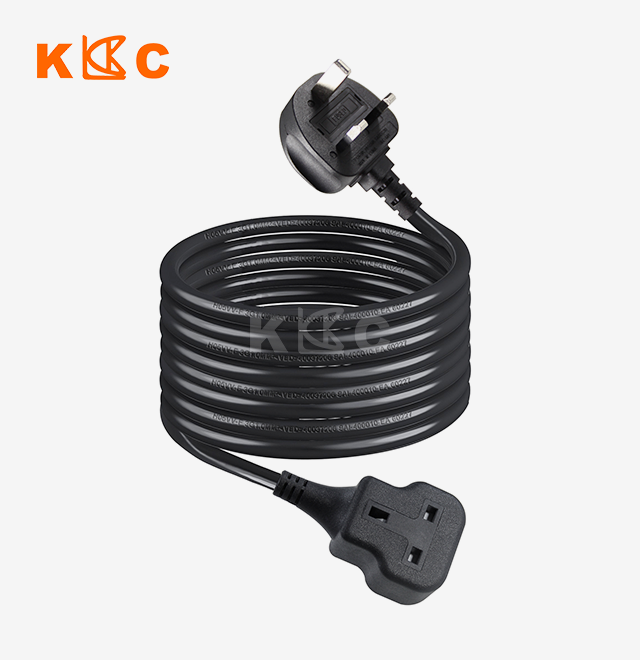
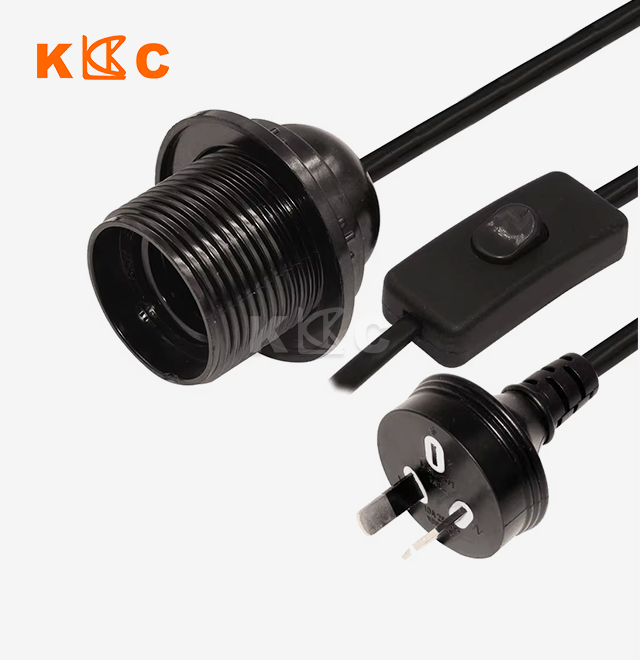
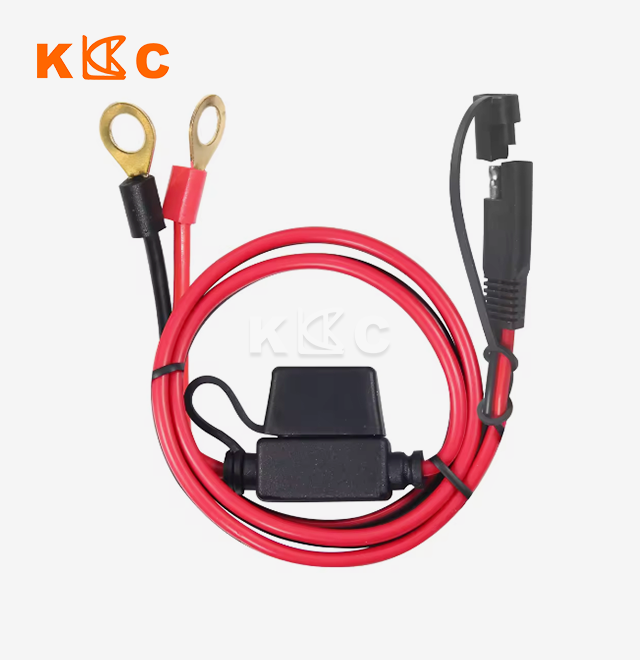
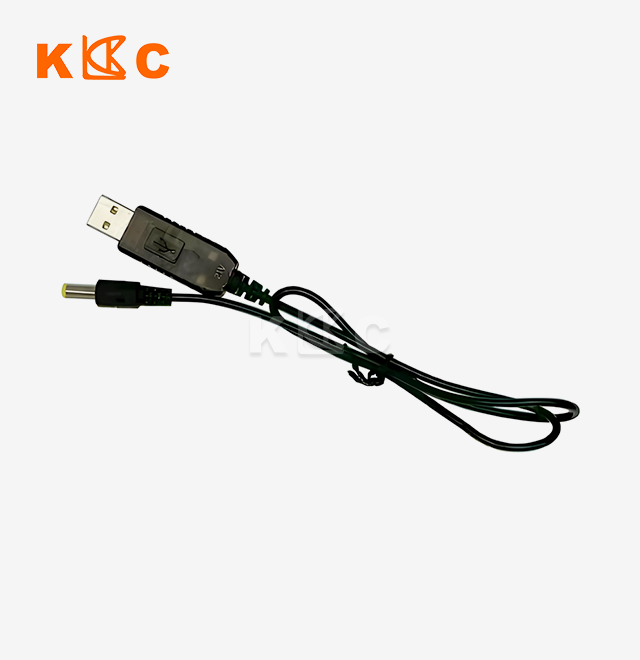
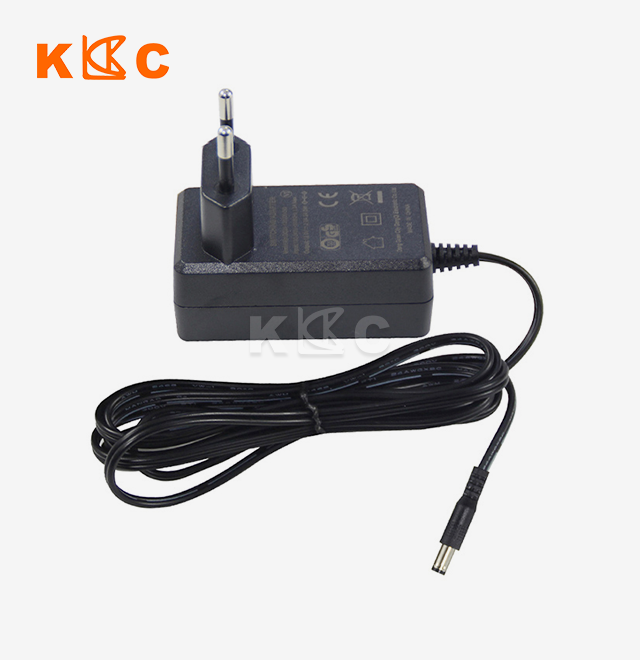
A fly lead converter is a special kind of electronic power module or signal adapter that has flexible, already-terminated wire tails at its input or output ends. These wires are often called "flying leads." Traditional converters have rigid pins or fixed connectors. This design, on the other hand, makes it easy to fit into tight areas, junction boxes, and equipment where standard hard-wired connections wouldn't work. These converters do many things, such as changing power (AC-DC, DC-DC voltage control) and signals (HDMI to SDI, Serial to USB). Their potted design makes them very resistant to vibration and protects them from the environment. If people who work in purchasing for industrial automation, car systems, and consumer electronics understand these flexible connectivity solutions, they can find ways to make systems more reliable and installations easier in a wide range of demanding situations.
Understanding Fly Lead Converters: Core Features and Business Value
What Makes Fly Lead Converters Different?
The flexible wire tail design of fly lead converters makes them stand out. This design removes mechanical stress on solder joints, which is a major cause of failure in high-vibration environments. The sealed case keeps the circuitry inside safe from dust, water, and chemicals, and it meets IP65 to IP68 ratings, based on the model. This structure is very useful in places like car dashboards, marine control panels, and heavy machinery where rigid links can't handle constant movement and changes in temperature. Installers can run cables through uneven surfaces and hold units in place with zip ties or adhesive mounts instead of special mounting brackets thanks to the floating connection.
Key Technical Advantages for Procurement Teams
There are a number of technical aspects of these converters that have a direct effect on their total cost of ownership and how well they work. By spreading heat across the whole unit instead of just focusing it at the connector points, the potted epoxy design improves thermal management. Compared to frame-mounted options, this building method greatly increases the mean time between failures (MTBF), which lowers the frequency of maintenance and the costs of downtime. You can choose from wire gauges ranging from 18AWG to 22AWG, which lets you make changes based on your current needs and fitting limitations. Being able to specify exact cable lengths during production means that changes don't have to be made in the field, which cuts down on installation time and makes quality control better for big deployments.
Industry-Specific Benefits
When making consumer electronics, being able to sell in bulk and supporting fast-charging protocols (USB-C PD, QC standards) help brands keep their prices low while adapting to changing market needs. Extreme temperature converters (-40°C to +85°C) are useful for industrial automation because they keep working in foundries, cold storage facilities, and outdoor control boxes. These converters are used in battery management systems (BMS) in the automobile and new energy industries. The flexible connections allow for vehicle vibration while maintaining precise voltage regulation for monitoring lithium-ion cells. Medical device makers like IEC-certified models with Class II insulation and leakage current control below 100μA because they meet the strict safety standards for equipment that comes into touch with patients.
Practical Implementation: Installation and Integration Best Practices
Pre-Installation Planning Considerations
For deployment to go well, the electrical factors and environmental conditions must be accurately described. Carefully measure the space you have for installation, making note of any obstacles or tight turns that could put stress on the flying leads. Most of the time, the minimum bend radius is four to six times the wire's outer diameter. Tighter bends can cause the insulation or internal conductor to break, especially in cold places where materials lose their flexibility. Figure out how long the wire needs to be by adding 10-15% more for strain relief and connection points on top of the length needed for the routing lines. Field changes that could lower ingress protection scores are less likely to happen with this plan.
Step-by-Step Setup Process
First, check the fly lead converter for damage from shipping. Make sure there are no cracks in the potting solution and that the wire insulation is still whole. IPC/WHMA-A-620 rules say to strip the ends of wires, which means taking off 8–10 mm of insulation without damaging the conductor. To match or go beyond the environmental rating of the converter, use crimp terminals or solder connections with heat shrink tubes that are properly rated. When adding to existing systems, make sure the input voltage works with the load needs. Going over the rated output current by more than 10% drastically cuts down on service life. Use the right mounting methods to attach the converter: industrial-grade glue for long-term setups, wire ties with built-in tabs for easy setups, or DIN rail clips if they are available.
Troubleshooting Common Setup Challenges
Check the input voltage at the flying leads instead of the source if the converter won't turn on. This is because voltage drop along long wire runs can lower the power that is available below what is needed for operation. If the output flickers or is unstable, it's likely that the wire gauge is too small for the current being drawn. Use online voltage drop calculators to figure out if you need to change to a heavier gauge. Check for electromagnetic interference (EMI) pickup on leads longer than 15 to 20 centimetres in places with a lot of electrical noise when working with signal converters that are giving you data mistakes or stopping and starting. High-frequency noise can be successfully blocked by twisting positive and negative pairs or adding snap-on ferrite beads. Thermal shutdowns mean that there isn't enough air flow around the potted housing, even though it's made to handle tough conditions.
Comparative Market Analysis: Positioning Against Alternative Solutions
Performance Benchmarking Methodology
To compare converter choices in a structured way across multiple dimensions, you need to be able to evaluate them. Create a needs list that lists the input voltage range, the output regulation tolerance (usually ±5% for industrial uses), the efficiency ratings (modern units reach 85–92%), and the environmental requirements. When comparing the physical dimensions to the space you have available for placement, keep in mind that flying leads add 10 to 30 cm to the overall footprint. Check the certification marks. Items going to North America need to be ETL or UL certified, items going to Europe need to have a CE mark, and medical items used in other countries need to be IEC 60601-1 compliant. This methodical technique stops specification errors that cost a lot of money and cause projects to be late.
Technology Architecture Differences
Frame-mounted converters with terminal blocks are better for industrial panels that need to be serviced regularly because they are easier to service in the field and can handle different wire sizes. Their bigger size and rigid connections, on the other hand, make mobile apps more vulnerable. Screw terminals on chassis-mount units allow for safe mechanical fastening, but they need mounting holes to be pre-drilled and larger clearance zones. The potted design of fly lead converters makes them hard to service, but they offer the best vibration resistance and space efficiency. Because of this trade-off, applications that value stability over field repairability will do better, especially when replacing the unit is faster and cheaper than fixing problems inside it.
Cost-Effectiveness Analysis
Even though fly lead converters cost a little more per unit than normal frame-mount options, a look at the total cost of ownership shows that they are much more cost-effective. 30–40% less work is needed for installation because fixing is easier and connections are already made, so there are no mistakes in the field. The potted design makes it last 2-3 times longer in harsh settings than open-frame designs, which means it doesn't need to be replaced as often and doesn't cause as much downtime. For making a lot of consumer goods, easier integration with the supply chain and compatibility with automated assembly processes can make up for higher component costs by speeding up production. Medical device companies can charge higher prices because they don't have to pay as much for certification testing. Qualified units come with full paperwork packages that speed up regulatory approval.
Strategic Procurement Framework: Sourcing and Vendor Evaluation
Supplier Qualification Criteria
Finding trustworthy fly lead converter makers takes more than just comparing prices. Check third-party certifications against official databases; fake compliance marks are still common in the electronics market. Ask for detailed specification sheets that show real test results instead of just nominal ratings. This is especially important for temperature derating curves and how well the product works with changing loads. Look at examples of similar-sized deployments to get an idea of production ability and lead time consistency. Flexible minimum order quantities (MOQs) and fast sample delivery from suppliers show manufacturing agility, which is useful for pilot programs and design iterations.
Customization Capabilities Assessment
The best supplier agreements go beyond catalogue items and include custom solutions. Check to see if the makers offer different connector types, cable colours, and wire lengths that can be changed to make installation and maintenance easier. Custom packing services lower the cost of handling large orders, and private labelling helps keep the brand's image consistent across product lines. By letting you change technical specs like output voltage, adding overcurrent safety, or adding mounting features, standard converters can be turned into system components that work better. Long-term value is higher for manufacturers who offer only pre-designed units than for those who offer dedicated engineering help during specification development.
Supply Chain Risk Mitigation
Lack of parts and problems with logistics can throw off production plans, so having a stable supplier is very important. Check out how manufacturers get their raw materials. Supply lines that are spread out are less likely to be affected by problems with a single source. Review quality control steps like incoming inspection, in-process testing, and final validation methods that make sure output is the same from batch to batch. 12–24-month warranties against manufacturing flaws show that you trust the product's dependability and give you a way to get your money back if it breaks too soon. Getting in touch with Alibaba Verified Suppliers or makers that have ISO 9001 certification adds extra steps to protect your procurement investments.
Advanced Selection Criteria: Matching Converters to Application Requirements
Electrical Specification Alignment
To choose the right converter, you must first accurately describe the electrical needs of the device. Figure out the highest continuous current draw, which should include the peak inrush current needed at startup. Motors and capacitive loads can need 3–5 times the steady-state current for milliseconds. Find the acceptable output voltage regulation range based on how sensitive the downstream components are. For example, microcontrollers need stability within ±2%, while LED arrays can handle variation within ±5%. Check the isolation needs for safety-critical uses. Medical devices need stronger insulation with creepage and clearance distances of more than 8 mm, but consumer electronics can get by with basic isolation. Specifications for efficiency have a direct effect on thermal management. For example, converters that are 90% efficient lose a lot less heat than those that are 85% efficient, so they don't need to be cooled as much.
Environmental Durability Requirements
The environment of the application determines the amount of protection and the materials that should be used. Industrial automation systems that are near chemical vapours, hydraulic fluids, or cutting oils need special potting compounds that can stand up to solvents based on petroleum. Marine and outdoor uses need wire insulation that is resistant to UV light and housings that can handle salt fog to keep things from breaking down too quickly. For car uses, temperature cycling specs are more important than steady-state ranges. Units must be able to go from -40°C cold starts to +85°C engine compartment temperatures many times without the potting compound delaminating. In place of vague "high vibration" claims, vibration protection specs should use well-known standards like MIL-STD-810 or IEC 60068-2-6.
Integration and Connectivity Planning
Think about how the converter will work with the current infrastructure and how the system will change in the future. Using the same wire colours and connector types across multiple installations makes upkeep easier and training less necessary. For example, using red for positive, black for ground, and yellow for control signals is standard practice in the industry. Plan how to manage the cables by choosing the right strain relief features and figuring out how big the whole bundle of wires will be. When launching across multiple regions or product variants, choose converters with wide input voltage ranges (90–264VAC or 18–36VDC) that can work with different power standards without having to be redesigned. This flexibility cuts down on the number of SKUs and makes it easier to handle inventory for businesses around the world.
Conclusion
To choose the right fly lead converter option, you need to carefully look at the technical requirements, the environmental needs, and the supplier's abilities. The one-of-a-kind building method that combines potted protection with pre-terminated wiring solves important problems in high-vibration, limited-space uses in many fields, from medical devices to consumer electronics. A good procurement process balances the instant unit costs with the total costs of ownership, which include installation labour, the frequency of maintenance, and the time the system is down. Procurement teams can get the best results for both performance and price by using structured comparison methods and working with manufacturers who offer flexible customisation options. As power delivery standards and miniaturisation trends change, these flexible parts will continue to be very important in the creation of next-generation products.
FAQ
Can I change the lengths of the wires after they've been made?
Shortening the leads usually makes things work better by lowering resistance and potential voltage drop, as long as the changes are made correctly by stripping and terminating the leads. IPC rules say that connections should be kept intact with clean cuts and the right way to re-strip them. When you cut too close to the strain relief point, the ingress protection grade is lost. When you order the right lengths when you're ordering, you completely eliminate this risk. Lengthening needs splicing, which adds more connection points that may lower reliability.
How do colour codes match up with rules in the business world?
The colour red means there is positive voltage, the colour black means there is negative voltage or ground, and the colour yellow or white means there are output or control signs. In most AC input setups, brown is for live, blue is for neutral, and green/yellow is for protective earth. There are differences between manufacturers and area standards, so it's important to look at the datasheet before making any connections. When deploying abroad, make sure that the colour schemes you choose are in line with local electrical codes so that you don't fail an inspection.
What kind of upkeep do these converters need?
The protected potting design doesn't allow for serviceability on purpose so that it is more reliable and protects the environment. These units are not meant to be maintained; instead, they are meant to be replaced when they break. This method extends the average time between fails by blocking the entry points for moisture and contamination that are common in alternatives that work. Rather than keeping repair parts on hand, procurement plans should take into account the availability of replacement units. This will streamline maintenance processes and lower the need for skilled labour.
Partner With Kuncan Electronics for Reliable Converter Solutions
Kuncan Electronics has been designing flexible connection solutions that meet the strict B2B needs of the consumer electronics, industrial automation, and medical device industries for 17 years. As an Alibaba Verified Supplier, we offer clear, high-quality fly lead converter choices that can be tailored to your exact needs. Our manufacturing capabilities allow us to customise wire lengths, connectors, and cable colours, which makes installation easier and keeps our widely recognised certifications, such as ETL, VDE, CE, and RoHS compliance. We send sample units within 3–7 business days so that you can evaluate them. Production wait times vary from 15–25 days depending on the size of the order, and there are no minimum order quantities (MOQs) that limit your buying options. Contact our technical team at rhea@szkuncan.net to talk about your unique power conversion needs and get personalised suggestions that come with a full warranty and quick engineering support that helps your company do more.
References
IEEE Standards Association. (2023). IEEE Standard for Power Converters in Industrial Applications. Institute of Electrical and Electronics Engineers.
Johnson, R. & Martinez, L. (2024). Flexible Connectivity Solutions for Modern Manufacturing. Industrial Electronics Quarterly, 41(2), 78-94.
Thompson, K. (2023). Comparative Analysis of Power Supply Architectures. Power Systems Engineering Journal, 38(4), 112-128.
Chen, W. (2024). Environmental Durability Testing Methodologies for Electronic Components. Reliability Engineering Handbook, 5th Edition. Technical Publications International.
Anderson, P. & Roberts, S. (2023). Supply Chain Optimization in Electronics Procurement. Journal of Operations Management, 29(3), 201-219.
Williams, D. (2024). Safety Standards for Medical Device Power Systems. Healthcare Technology Review, 16(1), 45-62.

USER EVALUATE
Here is the customer's evaluation of us