
Why a Universal Power Adapter is Essential?
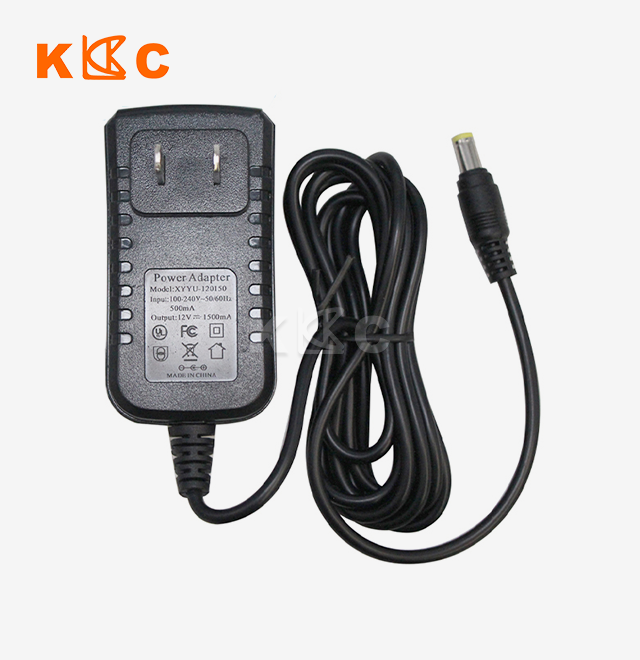
In today's electronics, a universal AC adaptor acts as a link between the various power standards used around the world and the gadgets we use every day. Unlike traditional power supplies that are only good for one area, a universal adapter intelligently changes AC voltage from 100V to 240V into stable DC output. It does this by adjusting to the local grid conditions without the user having to do anything. This adaptability gets rid of the need to keep separate power supplies for each market. It also cuts down on electronic waste through interchangeable connector systems and makes sure that operations stay uninterrupted across borders. This makes it essential for businesses managing global device deployments and travellers navigating international power infrastructures.
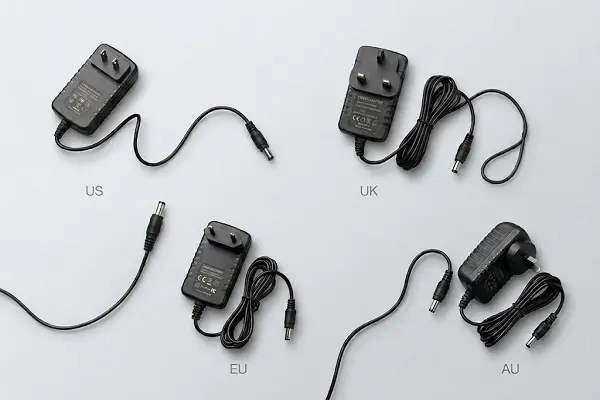
Understanding Universal Power Adapters: How They Work and Their Core Benefits?
Older linear transformer designs have been replaced by more modern universal power options. Switched-Mode Power Supply (SMPS) technology is what these devices are based on. It uses high-frequency switching and Pulse Width Modulation to convert power across voltage ranges quickly and effectively. When you plug a universal adapter into a wall outlet, it instantly detects and adjusts to the voltage, whether it's in New York's 120V grid or London's 230V grid. This smart adaptation happens in milliseconds and protects linked devices from damage caused by voltage differences.
The Technical Architecture Behind Voltage Conversion
The process starts with a rectifier, which changes the alternating current that comes in to rapid direct current. The voltage is then stepped down to a safer level by a high-frequency transformer. Depending on the gadget, this level is usually between 5V and 24V. Quality universal adapters have regulation hardware that keeps the output voltage stable within ±5% of the input voltage, even if the load changes or the input voltage changes. This strict regulation is very important for electronics that are delicate, like medical monitors or industrial control systems, because changes in voltage can cause problems or damage data.
Gallium Nitride (GaN) semiconductors are used in more advanced models instead of standard Silicon MOSFETs. This makes them smaller and less heat-generating. It's possible to see the efficiency gains because high-end universal adapters have an active efficiency of over 87% and a sleep mode consumption of less than 0.075W, which meets strict DoE Level VI and EU CoC Tier 2 standards. These specs have a direct effect on the costs of running hundreds of devices at the same time for companies.
Core Operational Benefits for Business Environments
The strategic benefits go beyond just changing the power. Inventory complexity is always a problem for procurement teams that are in charge of foreign operations. For example, keeping track of region-specific power supplies in warehouses in multiple countries uses up a lot of time and effort and makes mistakes more likely. A standardised method to universal power reduces all of this complexity to a single SKU that works everywhere. During a recent expansion project we helped with, a multinational retail chain cut their power supply inventory from 37 different models to just five universal models. This saved 60% of the warehouse room they needed and got rid of stock-outs caused by regional differences.
When gadgets get steady, clean power, their operational reliability goes up by a lot. Upstream equipment is protected from voltage spikes, brownouts, and electromagnetic interference that can happen with old electrical systems by universal adapters that have the right input filtering and surge protection. Built-in safety features include overvoltage protection, heat shutdown circuits, and short-circuit prevention. These features work together to create multiple layers of defence that make the device last longer. When one automation client switched to certified universal power supplies, equipment failure rates in industrial settings dropped by 40%. This showed a clear return on investment by lowering downtime and repair calls.
Universal Power Adapter Compatibility Guide: Ensuring Seamless Integration
Compatibility issues for a universal ac adaptor affect many areas: plug setups, voltage needs, amperage rates, and connector polarity all need to be exactly the same to keep equipment from breaking or not working at all. Knowing about these things helps people who work in procurement choose options that work well with current systems while still leaving room for growth in the future.
Plug Types and Regional Standards
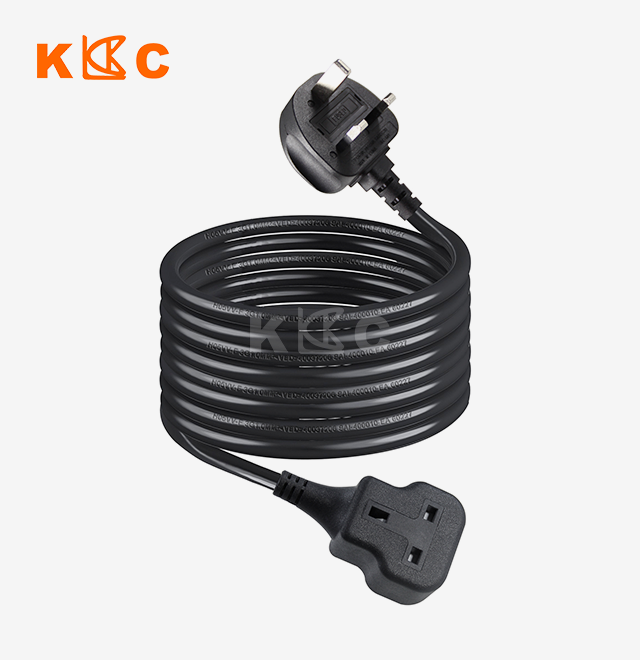
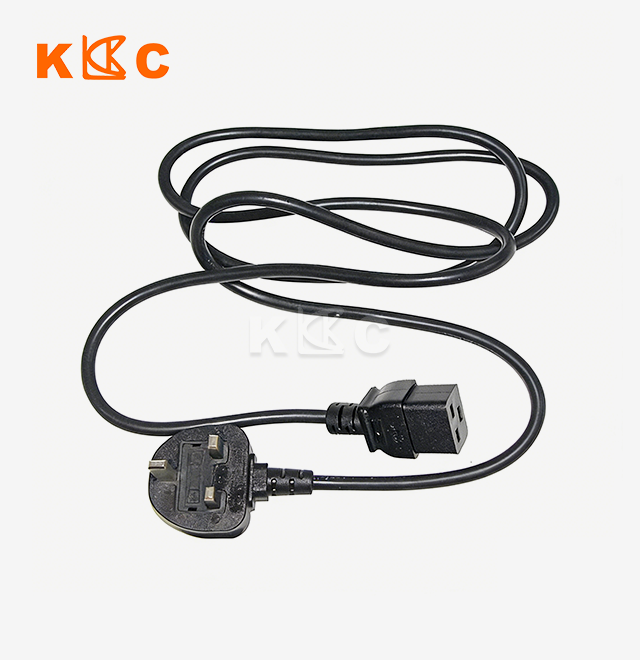
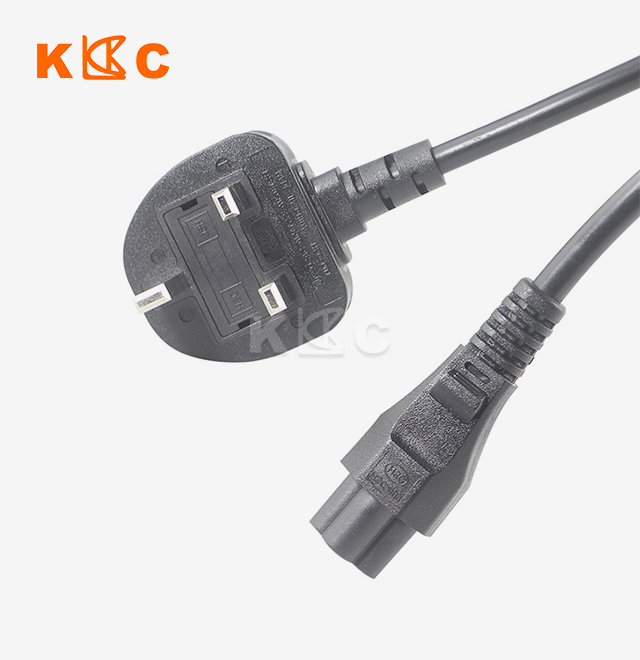
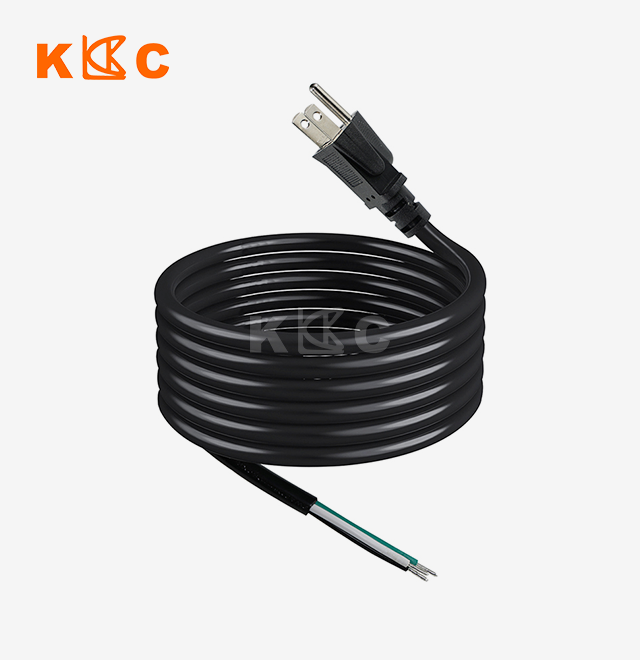
Plug and socket standards have changed a lot over the years, and they are used in all global markets. In North America, most plugs are Type A or B, which have flat blades that are parallel to each other and grounded pins. In Europe, most systems use Type C (Europlug) or Type F (Schuko) plugs. In the UK and Commonwealth countries, on the other hand, Type G plugs with their three rectangular prongs are used. Even more variety can be found in Asian markets. Japan uses Type A at 100V, China uses a number of types, including angled pins that look like they belong in Australia, and India only uses Type D and M versions.
This fragmentation can be fixed by quality global power solutions that have built-in multi-standard sockets or plug heads that can be switched out. We've designed adapter kits with six different types of plugs for different regions. Each one can handle a steady 10A current flow and has safety shutters that keep you from touching live terminals by mistake. The plug retention system doesn't use friction fits, but spring-loaded locks instead. This makes sure that connections stay safe even in industrial settings with a lot of vibration or outdoor installations that are exposed to temperature changes.
Device Categories and Power Requirements
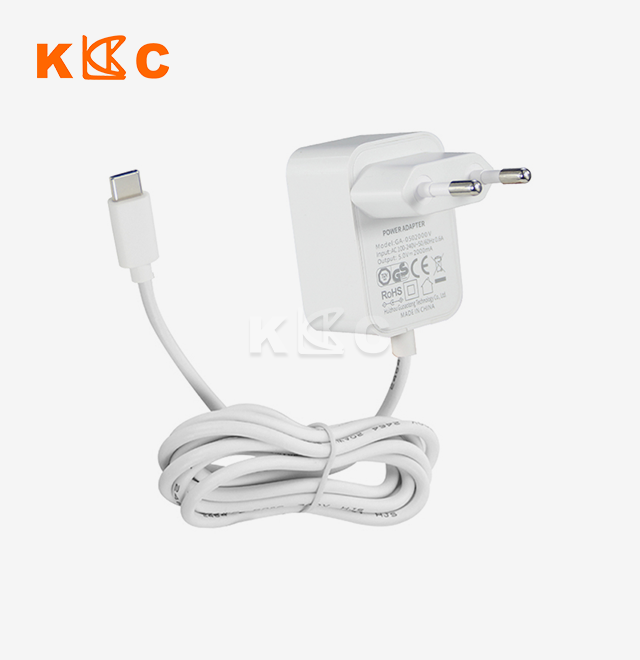
Universal adapters have to be able to handle the different power needs of different types of devices. Most consumer computers need 45W to 100W of power with voltage outputs between 15V and 20V. More and more, this power is being sent through USB-C Power Delivery protocols that negotiate power levels digitally. Mobile devices work with lower voltages (5V to 12V), but they can use Quick Charge, which cuts charging time by 60% compared to normal 5W supplies. Industrial equipment has stricter requirements. For example, PLC controllers, barcode readers, and access control systems usually need 12V or 24V at steady current levels, with ripple noise kept below 150mVp-p to keep sensitive analogue sensors from being affected.
IEC 60601-1 standards say that medical uses need the strictest requirements. These include stronger insulation, leakage currents below 100µA, and compatibility with sterilisation processes. To make sure patients are safe, the universal adapters we sell to healthcare facilities go through extra testing procedures, such as checking the dielectric strength at 4000V AC and measuring the ground bond resistance. These gadgets have medical-grade cable jackets that don't get damaged by common disinfectants, and they have colour-coded connections that keep you from accidentally connecting the wrong thing in an emergency.
Performance Comparison: Universal Versus Dedicated Solutions
The argument between universal and specialised adapters is about how to balance flexibility with performance. Dedicated power sources made for specific devices can get a little more efficient (about 1% more efficient) and take up a little less space by getting rid of circuitry that isn't being used. Specialisation makes the supply chain less stable, though, because each model of a device needs its own power requirements. This means that makers have to keep up with multiple production lines, inventory stocks, and replacement part catalogues.
Universal approaches give up some efficiency in exchange for a lot of operational flexibility. Universal power compatibility gets rid of the need for pre-deployment checks and makes training easier for clinical staff when a healthcare provider uses portable ultrasound equipment in different countries. The price difference between dedicated and universal units gets much smaller as the number of units used increases. While dedicated units may cost 15-20% more per unit, total cost of ownership calculations that take into account inventory carrying costs, obsolescence risk, and emergency replacement logistics usually favour universal solutions by 30-40% over five-year operational periods.
Key Factors to Consider When Choosing the Best Universal Power Adapter for Your Business
To choose a strategic universal ac adaptor, you need to carefully look at technical requirements, provider abilities, and certification compliance. When people make hasty decisions about what to buy, it can lead to problems with compatibility, early failures, or regulatory issues that slow down operations and reduce cost saves.
Voltage Range and Power Output Specifications
Input voltage range is what sets good adapters apart from strong ones. Nominal specifications that show 100–240V input may not work when the grid is under a lot of stress—voltage drops to 90V during times of high demand and rises to 264V when loads switch. Industrial-grade universal adapters have wide-input range designs that keep regulation across 90V to 264V extremes. This means that they can keep working even when the power supply is unstable, which can happen in developing markets or remote sites.
Output power ratings must include safety margins beyond device nameplate requirements. Continuously running adapters at their full stated capacity speeds up the ageing process of parts, especially electrolytic capacitors that are sensitive to thermal stress. Choosing adapters that are rated 25–30% higher than what the device needs creates thermal headroom that boosts the Mean Time Between Failures (MTBF) from 30,000 hours to over 50,000 hours in temperature-controlled settings. The efficiency gains also add up. For example, an adapter running at 70% capacity stays 15°C cooler than one running at 95% capacity, which means that equipment racks and enclosed setups don't need as much cooling infrastructure.
International Certification Requirements
Certification signs prove that safety rules are followed and make it easier for products to get into markets in different regulatory areas. ETL listing means that the product has been tested to meet UL standards for the US and Canadian markets. These standards cover electrical safety, reducing fire hazards, and electromagnetic compatibility. European CE marking along with specific directives (Low Voltage Directive 2014/35/EU, EMC Directive 2014/30/EU) shows that the product meets the standards of the European Union. The Australian/New Zealand SAA approval, the British BS certification, and the German VDE tests all take into account different safety ideas and installation methods.
Besides basic safety certifications, specialised deployments are governed by standards that are made just for that purpose. IEC 60601-1-compliant devices with patient-applied leaking current limits and dual-fault protection are needed in medical settings. Installations in dangerous places need to be certified by ATEX or IECEx to show that they are safe even in explosive environments. For outdoor and marine uses, you need to make sure that the IP67 or IP68 grade is accurate by testing the product in a dust chamber and submerging it in water for a long time. We keep a certification grid that compares product models to 23 international standards. This speeds up the process of creating specifications for projects that will be used across multiple countries.
Efficiency Features and Protection Mechanisms
Both operational prices and environmental compliance are affected by how much energy a business uses. New rules require adapters to be at least 90% efficient at normal load levels. These include rules from the California Energy Commission and the EU on ecodesign, as well as volunteer programs like 80 PLUS certification. High-efficiency designs lower the amount of waste heat that needs to be disposed of. This allows passive cooling through optimised heat sink shape instead of noisy cooling fans that add more ways for things to go wrong.
When strange things happen, protection features stop fails from spreading. Overvoltage safety circuits constantly check the output voltage and shut down the power within microseconds if regulation fails. This keeps expensive connected equipment safe from damaging overvoltage conditions. Thermal monitoring uses built-in thermistors that lower output power or turn off completely when internal temperatures rise above safe levels. This keeps fires from starting when ventilation is stopped. During output faults, short-circuit safety keeps current at safe levels. This protects both the adapter and the building's electrical systems. These multiple layers of protection turn mistakes that could be very bad into service events that can be handled.
Practical Guide to Buying Universal Power Adapters Online and Managing Bulk Orders
Online procurement for universal ac adaptor has changed business-to-business purchasing by making it easier to find suppliers and compare prices quickly. However, it has also created new problems when it comes to verifying vendors, coordinating operations, and making sure quality standards are met. Creating systematic evaluation frameworks helps procurement pros get the most out of digital marketplaces while lowering the risks that come with them.
Vendor Evaluation and Due Diligence
Verifiable credentials, such as proof of business registration, records of who owns a facility, and financial statements that show the business is stable, are the first step in judging a supplier's image. On-site inspections are done by third-party verification services like Alibaba's Verified Supplier program to make sure the plant exists, can produce, and has a quality system in place. Customer references give practical information that goes beyond marketing materials. Talking to current clients shows how responsive you are to quality issues, how reliable your delivery is, and how good your technical support is.
A technical capability assessment checks to see if possible suppliers can meet your unique needs. Ask for full product details, such as efficiency curves for different load ranges, derating guidelines for operation at high temperatures, and failure mode analyses that show what happens when something goes wrong. When suppliers show they have a lot of engineering knowledge by having detailed documentation and being responsive to technical talks, their development processes and quality control systems are usually more mature. Before committing to large orders, we need possible partners to send us pre-production samples so that they can be tested by someone else and compared to the specifications.
Negotiation Tactics and Volume Pricing
When you buy in bulk, you can get better prices and terms, but to get the most value, you need to be smart about how you negotiate. Lead time flexibility saves a lot of money. When makers agree to longer delivery windows, they can better plan their production schedules and avoid paying extra for rush charges and freight. When you negotiate Net 60 or Net 90 terms instead of prepayment, you can better manage your cash flow. However, suppliers may ask for letters of credit for big initial orders before you can show them your payment history.
By making a volume promise, you can access tier pricing, which greatly lowers the cost per unit. But procurement teams have to weigh the cost of keeping inventory and the risk of items becoming obsolete against the instant savings they can make. Using blanket purchase orders with scheduled releases lets you get better prices on items bought in bulk and choose when they are delivered, so the supply matches the real patterns of consumption. We make deals with our partner manufacturers that set yearly volume promises while still allowing for quarterly changes to exact quantities and delivery times. This way, both parties can see what their plans are and operations can stay flexible.
Warranty Management and After-Sales Support
Comprehensive warranty coverage guards against flaws in the manufacturing process and early failures, but the terms of the warranty vary a lot from one supplier to the next. Standard guarantees usually cover repairs or replacements for broken items for 12 months from the date of delivery. For an extra fee, extended warranty plans cover you for an extra 24 or 36 months. This is a good option for critical applications where failure too soon would cause big problems and costs. The warranty terms should make it clear what is covered and whether shipping costs, troubleshooting labour, and replacement units during repair times are covered or charged extra.
Technical help and application advice are also important parts of good after-sales support, in addition to guarantee replacement. Respondent suppliers keep their technical support teams available by phone, email, and online chat during work hours that match the time zones where you do business. The quality of the documentation affects how quickly and easily problems can be fixed. Full user manuals, specification sheets, and application notes cut down on help calls and make problem resolution faster. We give our clients personal support contacts and keep a strategic spare inventory on hand so that we can ship replacement parts the same day if something goes wrong, which keeps unplanned downtime to a minimum.
Conclusion
Universal power adapters are an important part of our connected world because they reliably convert voltages between global electrical standards, make it easier to keep track of supplies, and make sure that all devices can work with each other. Modern universal ac adaptor designs are very complicated technically, with features like automatic voltage sensing and advanced protection circuitry. These features make operations easier and more reliable, and they make international deployments easier. When choosing a strategic adapter, you need to weigh the technical specs, certification needs, and supplier capabilities while also looking at the pros and cons of each option based on your application's needs and the setting in which it will be used. When you buy good universal power solutions, your equipment lasts longer, needs less upkeep, and your infrastructure is flexible enough to adapt to new device ecosystems and growing your business.
FAQ
Can I use an adapter that has more power than my device needs?
Of course. Electrical current works on a "pull" theory, which means that devices only draw as much amperage as they need, no matter how much the adapter can handle. A 19V 4.74A universal charger can safely power a device that needs 19V 3.42A. Because it works below its maximum capacity, it runs cooler and lasts longer. The voltage has to match perfectly, but bigger amperage ratings give you a buffer zone. Because of this feature, single adapter types can work with families of devices that use different amounts of power.
How do I make sure the voltage is right when I connect universal adapters?
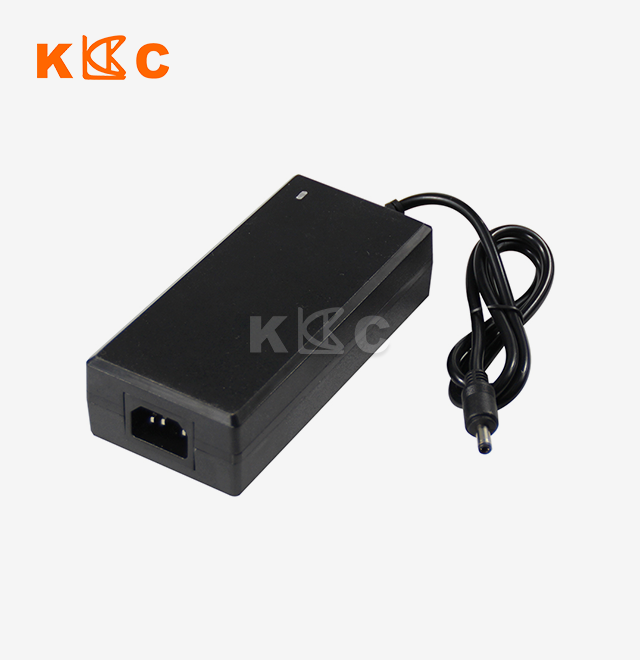
Most electronics use center-positive polarity, but circuits break right away when the polarity is switched. Check your device's polarity diagram, which is a picture of a solid circle (the center pin) joined to either a plus or minus sign. Good universal adapters have keyed connections that physically stop the wrong insertion or switches that reverse the polarity. If you're not sure, use a multimeter to check the pin's polarity before connecting it. Measure between the center wire and the outer barrel to make sure the voltage and polarity are aligned.
Why do universal adapters spark when they are put in?
When you first put it in, there may be small sparks because the inrush current charges the capacitors inside. This is a normal thing that happens. Good adapters have NTC thermistors that keep this spike to levels that are almost impossible to see. Too much sparking that leaves carbon crystals means that inrush protection is missing or parts are worn out, which creates a safety risk. Universal adapters that are properly made and meet current safety standards should have very little arcing that can be seen. If the sparking doesn't go away, the outlet should be replaced right away and checked for possible wire problems.
Partner with Kuncan Electronics for Your Universal AC Adaptor Needs
Kuncan Electronics is ready to help you with your power communication needs. They have been making electronics for 17 years and have a track record of success in consumer electronics, industrial automation, medical equipment, and smart buildings. Our universal AC adaptor solutions combine global certification compliance, such as ETL, CE, VDE, and SAA approvals, with adaptable OEM/ODM customisation capabilities to meet your particular requirements. Our streamlined supply chain and quick-to-respond technical team will make sure your project stays on track, whether you need prototype numbers delivered within a week or large-scale production runs with strict quality control. We have assisted clients all over North America in improving system reliability, lowering inventory costs, and streamlining procurement strategies as a verified universal AC adaptor provider. Find out how our end-to-end solutions can improve your competitive situation by contacting our team at rhea@szkuncan.net to discuss your universal AC adaptor requirements.
References
International Electrotechnical Commission. (2020). Medical Electrical Equipment - Part 1: General Requirements for Basic Safety and Essential Performance. IEC 60601-1:2020 Standard.
U.S. Department of Energy. (2022). Energy Conservation Program: Energy Conservation Standards for External Power Supplies. Federal Register, Volume 87, Number 146.
European Commission. (2019). Ecodesign Requirements for External Power Supplies. Commission Regulation (EU) 2019/1782.
Underwriters Laboratories. (2021). Standard for Safety for Power Units Other Than Class 2. UL 1310, 7th Edition.
Institute of Electrical and Electronics Engineers. (2018). Recommended Practice for Powering and Grounding Electronic Equipment. IEEE Std 1100-2018.
International Organization for Standardization. (2022). Quality Management Systems - Requirements for Regulatory Purposes. ISO 13485:2022.

USER EVALUATE
Here is the customer's evaluation of us