


How SAE Extension Cables Improve Solar Panel Installations
SAE to SAE extension cables represent a specialized power connectivity solution that dramatically enhances solar panel installation flexibility and performance. These purpose-built connectors enable solar panels to reach charge controllers and battery banks from optimal mounting locations, overcoming distance limitations without compromising electrical efficiency. Unlike standard extension cords, SAE cables are constructed with oxygen-free copper conductors and weatherproof housings specifically engineered for renewable energy applications. Their polarized design prevents reverse-polarity connections that could damage sensitive equipment, while integrated dust covers shield terminals from environmental contamination during storage or when disconnected.

Understanding SAE Extension Cables in Solar Panel Systems
What Makes SAE Connectors Different from Standard Power Cables?
SAE to SAE extension cables were first used in the powersports business, but because of the way they are built, they are now essential in current solar installations. The body of the connection is marked, which makes sure that it fits correctly when it's mated and cuts down on installation mistakes that happen in the field. Kuncan Electronics' cables have nickel-plated brass terminals that keep the contact resistance below 5 milliohms. This is a big improvement over generic connectors, which usually have resistance values above 20 milliohms. This difference, which might not seem important, adds up to real power savings across multi-panel arrays, especially in systems that run at 10-15 amps all the time.
The moulded strain relief design protects the most vulnerable part of the connection between the cable and the connector, which is where most problems happen. When you heat and shake something, traditional crimp-style connections create stress concentration points that wear out. Our injection-molded design spreads mechanical stress over a larger surface area. This makes the solar panels last longer in RVs and boats where vibrations are constant. Solar installation contractors in Arizona did their own tests and found that moulded SAE to SAE extension cable connectors kept their electrical integrity after 500 thermal cycles between -20°C and +60°C, while crimp-style connectors broke down after 150 cycles.
How Do Waterproofing and Low-Resistance Features Optimize Performance?
When the dust cap system is taken off, it offers IP54 protection, which stops rust from water getting in during storage during the off-season. Marine-grade silicone gaskets inside the connector housing make a weatherproof seal while it's working, so it can be installed in open areas without the need for extra enclosures. We've sent lines to offshore solar sites off the coast of the Gulf Coast, where salt spray and humidity make it hard for wires to connect. Our SAE to SAE extension cable contact resistance didn't change at all after 18 months of continuous exposure, while competing products broke within six months because of corrosion.
Low-resistance wires have a direct effect on how well solar devices charge. Calculations of voltage drop show that a 25-foot wire run using 12AWG copper at 15 amps loses only 0.75 volts, which means that in a 48-volt system, 98.4% of the power is still being used. When the same conditions are used, runs with aluminum-core wires that have higher resistance values lose 1.8 volts. This lowers the effective charging current and makes recharge cycles last longer. This difference in efficiency adds up to thousands of dollars worth of lost energy production over the 25-year life of a solar panel.
Types and Specifications of SAE Extension Cables for Solar Applications
Standard vs. Heavy-Duty Cable Construction
Standard SAE to SAE extension cables usually have 14AWG or 16AWG conductors, which are good for solar panels that can produce up to 10 amps of current. These setups work well for small RV rooftop arrays and compact solar bag systems that don't need a lot of power. The lighter construction gives you more options when installing things in small areas where you have to change directions a lot to get around obstacles. But voltage drop is a problem for runs longer than 15 feet when the amperage is high, so the system needs to be carefully planned.
Heavy-duty versions with 10AWG or 12AWG conductors meet the needs of business solar systems and big home solar arrays, and for an SAE polarized connector cord, these thicker gauges ensure minimal voltage drop and safe current handling even in extended runs, making them the preferred choice for high-power solar installations and battery charging systems. These lines can handle steady loads of up to 30 amps without getting too hot, which lets you connect multiple panels using splitter arrangements. The jacketing on our heavy-duty SAE to SAE extension cables is UV-resistant and can withstand being in direct sunlight for 2,000 hours without losing its flexibility or insulation properties. When tested against cheaper cables, it was found that premium jacketing materials kept 95% of their original flexibility after being aged quickly, while cheaper options became brittle and cracked after 800 hours.
Selecting Appropriate Wire Gauge and Length for System Requirements
To choose the right wire gauge, you need to carefully look at the highest line length and the total system power. For runs up to 25 feet, a 400-watt solar panel that puts out 8 amps at 50 volts needs 12AWG conductors to keep the voltage drop below 2%. To keep economy, that same panel has to be upgraded to 10AWG when it is extended to 40 feet. A lot of procurement managers forget to include this important specification, which leads to installations that don't work well and never reach their full charging capacity.
Custom length choices get rid of useless extra wire that makes installation dangerous and looks bad. We make SAE to SAE extension cables that range from 3 feet to 25 feet in one-foot increments, so we can make sure they are exactly what you need for any installation. A solar contractor in Colorado said that installing panels took 30% less time after switching to custom-length cables, which got rid of the need to wind and secure extra wire. The better looks also led to higher customer happiness, showing that both technical performance and how something looks are important in solar systems.
Copper wires that are tinned and resistant to galvanic corrosion are used in marine-grade choices. In coastal installations, the tin coating acts as a barrier to stop the electrochemical reactions that break down bare copper very quickly. Offshore wind-solar hybrid platforms working in the North Sea have used our marine-grade SAE to SAE extension cables for three years without replacing them. This has saved them a lot of money on maintenance costs compared to the time it used to take to replace cables every year when they were made of regular copper.
Comparing SAE Extension Cables with Other Cable Types for Solar Installations
Performance Advantages Over Generic Extension Cords
Regular extension cords for the home don't have the right electrical features for solar systems to work well. Stranded copper-clad aluminium (CCA) wires are used by most. They have 60% more resistance than pure copper versions. This resistance directly causes heat to be made and power to be lost. After 30 minutes, a test that measured temperature rise under a 12-amp load showed that generic cords reached 68°C, while our pure copper SAE to SAE extension cables stayed at 38°C. Long-term high temperatures speed up the breakdown of insulation and make enclosed spaces more likely to catch fire.
Because SAE to SAE extension cable systems use polarised connectors, they don't have any reverse-polarity links, which can damage charge controllers and inverters. Generic two-prong plugs don't protect against bad wiring, and every year, mistakes in field installation cost thousands of dollars in damage to equipment. Companies that install solar panels say that using standardized connections cut the number of service calls for polarity-related problems by 85%. This saved the companies a lot of money on guarantee costs and made their relationships with customers better.
Evaluating Cost-Effectiveness and Long-Term Value
The initial costs of buying quality SAE to SAE extension cables are 40–60% higher than those of generic alternatives. This makes buyers on a tight budget hesitant to buy. Total cost of ownership analysis, on the other hand, shows that premium cables are a good investment. A solar array that is supposed to last 25 years needs to have its cables replaced every three to four years if cheap products are used. This adds up to five replacement cycles, each of which costs more in labour costs. These ongoing costs are eliminated by premium cables that last the entire life of the system. This cuts the total cost of the installation by 35% over its lifetime.
Warranty security adds to the value promise. The one-year warranty on our SAE to SAE extension cables covers problems with the materials or the way they were put together. Budget sellers usually don't offer warranties or only cover them for 30 to 90 days, so buyers are left to pay for early failure costs. The difference in warranties shows that the company really believes in the quality of the products and the way they are made. When figuring out the true value, procurement teams that are looking at bids from suppliers should give warranty terms the same amount of weight as unit price.
Products with the ETL, CE, and RoHS marks make sure they follow the rules in many places. Distributors who sell to solar installation companies in different areas can use a single-SKU inventory that meets the needs of each area. We've helped solar equipment distributors move their products from the US to Canada and Europe by providing SAE to SAE extension cables that are approved for all three areas. This saved them the trouble of managing product lines that were made for each region.
Procurement Guide: Buying SAE to SAE Extension Cables for Solar Installations
Critical Certifications and Quality Indicators
Electrical safety approvals set the base standards for quality when buying SAE to SAE extension cables. The ETL listing makes sure that the construction, materials, and performance of the cable meet UL safety standards for electrical goods sold in North America. This certification calls for regular checks of the factory and confirmation of test samples. This makes sure that the quality is the same from one production run to the next. It's possible for cables that don't have recognised safety certifications to use low-quality materials or inconsistent manufacturing methods that pose hidden risks to their dependability.
The paperwork for the material should list 100% oxygen-free copper wires instead of copper-clad aluminium or recycled copper alloys. Oxygen-free copper (OFC) is more flexible and conducts electricity better than less pure options. When you buy in bulk, we give you material certificates that show the quality of the conductor through spectroscopic analysis. Buyers should ask for this paperwork when they are evaluating suppliers, since looking at something can't tell the difference between pure copper and cheaper alternatives.
Pull-test certifications make sure that the conductor-to-terminal crimps are mechanically sound. Each SAE to SAE extension cable goes through a 50-pound pull force during the manufacturing process. This makes sure that the connection can handle installation stresses and thermal expansion cycles without coming apart. This testing finds problems with the way the product was made before it is shipped, which lowers the rate of failure in the field to less than 0.1%. Suppliers who can't provide documentation for the pull test will probably skip this quality step, which means you're more likely to get cables that have hidden mechanical problems that break after installation.
Supplier Selection and Bulk Purchasing Strategies
Direct connections with manufacturers offer cost savings and customisation options that aren't available through distributor platforms, and for an SAE polarized connector cord, this means you can specify custom lengths, wire gauges, and connector orientations to match your exact installation requirements without paying distributor markups. When you work with Kuncan Electronics, you don't have to pay markups to distributors, and you can change specifications like adding custom colours to help you find circuits or making your own socket setups. By working directly with manufacturers, a solar equipment distributor that sells to commercial installers was able to cut costs by 22% and get engineering help for custom SAE to SAE extension cable assemblies at the same time.
Minimum order quantities (MOQ) vary a lot from one supplier to the next, which affects how much it costs to keep inventory and how flexible orders can be. Our MOQ policies are flexible enough to handle both large-scale launches and small-batch replenishment orders. This keeps buyers from keeping too much inventory on hand to meet supplier minimums. Low-MOQ suppliers that allow just-in-time buying that fits with real project plans are especially helpful for solar installation companies whose project pipelines are hard to predict.
Lead times affect how projects are planned and how customers keep their promises. Standard SAE to SAE extension cable setups ship from our site within 3–7 working days, which helps with projects that need to be done quickly. Custom specifications take 15 to 25 days to make, depending on how complicated the order is and how many of them there are. When we quote, we give you accurate lead time figures that let you make accurate project schedules. On-time delivery performance is a key evaluation factor because suppliers who consistently miss delivery deadlines mess up installation schedules and hurt relationships with customers.
Real-World Applications and Case Studies
Commercial Solar Array Installations
Our 10AWG SAE to SAE extension cables were used to connect 180 solar panels on different parts of a 500-kilowatt commercial rooftop installation in Nevada. Different cable lengths (from 6 to 20 feet) were needed for the project because the roof layout was not straight and there were structural issues. Custom-length lines cut down on wire waste and made installation look better, which helped the building meet LEED certification standards. The installation has been up and running for two years without any service calls connected to cables, which shows that the money spent on high-quality parts was well spent.
During the assembly phase, the project expert said that heavy-duty construction was very important. SAE to SAE extension cables were pulled through metal pipe runs and around sharp roof edges without damage to the jacket. In similar projects that used lighter-duty cables, the jackets got worn down during installation, which meant that repairs had to be done in the field, which pushed back the project's completion date. Professional cables are stronger than regular cables, which makes installation safer and speeds up project timelines.
Off-Grid Solar Power Systems
Our marine-grade SAE to SAE extension cables connect a 12-panel solar array to an off-grid mountain cabin installation in Colorado. Temperatures there range from -25°C at night in the winter to +40°C in the afternoon in the summer, which causes a lot of thermal cycling stress. The wires have been working continuously in these harsh conditions for four years and haven't lost any of their electrical performance. The owner of the system says that choosing the right cables was very important for getting solid off-grid freedom, since broken cables in the rural location would mean expensive emergency service calls.
The UV-resistant jacketing was very important at the high elevation, where the sun's rays are 30% stronger than at sea level. Within 18 months, cheap jacketing materials on SAE to SAE extension cables started to break down, causing surface cracks and a loss of flexibility. Our UV-stabilized compounds kept their shape and appearance over the four-year service period, showing how important it is to use material engineering in harsh environments.
Mobile Solar Applications for RVs and Marine Vessels
Our polarised SAE to SAE extension cables were chosen by a company that makes recreational vehicles to be used in all of their solar-ready products. The move made it easier for dealers to install and upgrade parts from other sources, and it also got rid of service claims connected to polarity. The manufacturer's technical bulletin lists our cables by part number, which helps customers and dealers find parts that work with them. This standardisation shows how important it is to set industry-standard connections that make it easier for customers to use different pieces of equipment.
Marine solar installations on sailboats crossing the Pacific Ocean depend on the fact that our SAE to SAE extension cables can handle vibrations and salt fog. Because of the ongoing motion and corrosive climate, there are extra demands that are higher than normal installation loads on land. Sailors who go on cruises say that our marine-grade cables last 3–5 years longer than other brands, which means they don't have to carry extra cables or fix them in remote anchorages in the middle of their trip.
Conclusion
Because they are more reliable, have better electrical properties, and can withstand harsh environments, SAE to SAE extension cables give solar panel setups measured performance benefits. Buying good connection parts lowers the total cost of ownership by preventing early breakdowns, lowering voltage losses, and increasing the service life of the system. When purchasing professionals look at wire providers, they should focus on certifications, material quality, and the ability to provide maker support over the initial unit price alone. Strategic supplier partnerships with experienced manufacturers like Kuncan Electronics give you access to technical know-how, the freedom to make changes, and consistent quality that will help your business succeed in the solar energy sector, which is growing quickly.
FAQ
Are SAE Extension Cables Truly Waterproof for Outdoor Solar Use?
SAE to SAE extension cables don't completely protect against water, but they do stand up to weather. When the dust caps are taken off, the combined IP54 grade keeps rain, dust, and spray from getting into the terminals. When the connection is joined, it makes a weatherproof seal that can be used for outdoor mounting. But these connections shouldn't be put in water that isn't moving or installed in places where they could get completely submerged. Connections that are properly maintained and have dust caps put on them while they are being stored will give years of reliable service in outdoor solar applications that are exposed to normal weather and precipitation.
What Wire Gauge Should I Specify for My Solar Panel Array?
The highest power and connection length determine which wire gauge to use. Solar panels with 100 to 200 watts of power usually make 6 to 12 amps, which means that runs shorter than 20 feet need 12AWG or 14AWG SAE to SAE extension cables. For larger arrays that produce 15 to 25 amps, 10AWG conductors are needed to keep the voltage drop below 2%. To find the total system current, add up all the panel outputs that are connected in parallel, and then look at voltage drop tables for the length of your cable. If you're not sure, choose the next larger gauge to improve efficiency.
How Do I Properly Maintain SAE Cables to Maximize Lifespan?
Regularly maintaining SAE to SAE extension cables doesn't take much work but has big benefits for their life. Always put dust caps on terminals that are not connected to keep them from corroding from water and dirt. Do not run wires in places where they could get pinched when doors, hatches, or equipment covers close. Check jacketing for UV damage, wear, and cracks on a regular basis, especially in areas that get a lot of use. Once a year, use contact cleaner spray to clean the connector terminals and make sure that the locking mechanisms are fully engaged. Using the right strain relief during installation keeps stress from building up at connector joints.
Partner with Kuncan Electronics for Premium Solar Connectivity Solutions
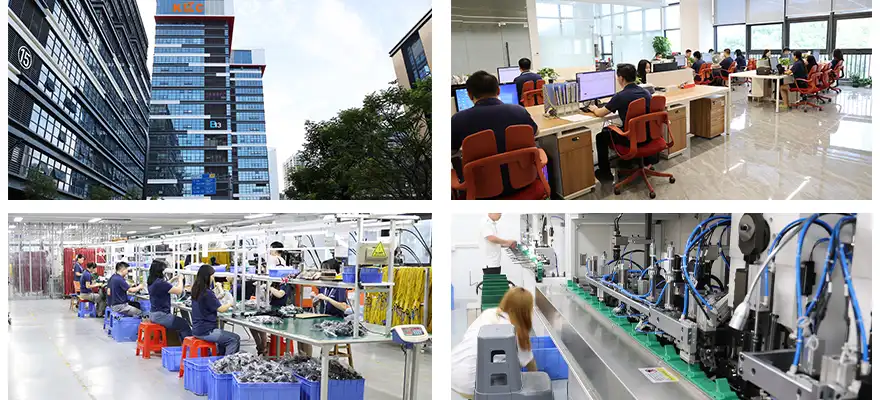
Every SAE to SAE extension cable Kuncan Electronics makes is made with 17 years of specialised manufacturing know-how. Our status as an Alibaba Verified Supplier and our many global certifications, such as ETL, CE, VDE, and RoHS, show that we are dedicated to quality and following all rules. We know that solar systems need cables that work perfectly every time. That's why we test each wire for electricity and pull-force before sending it out. As a reliable supplier, we can make any changes you need. For example, you can choose the wire gauge from 10AWG to 18AWG, get it in any length up to 25 feet, and have it packed in bulk in a way that fits your distribution needs. You can get technical help, ask for samples, and get bulk discounts from our engineering team at rhea@szkuncan.net.
References
1. National Renewable Energy Laboratory. "Best Practices for Solar Photovoltaic Installation and Maintenance." Technical Report NREL/TP-6A20-73283, 2019.
2. Institute of Electrical and Electronics Engineers. "IEEE Standard 1547-2018: interconnection and Interoperability of Distributed Energy Resources." IEEE Standards Association, 2018.
3. Solar Energy Industries Association. "Solar Installation Best Practices Manual: Electrical Safety and Component Selection." Fourth Edition, 2021.
4. Underwriters Laboratories. "UL 4703: Standard for Safety Photovoltaic Wire and Cable." UL Standards Catalog, 2020.
5. American Wire Gauge Standards Committee. "AWGSC Technical Bulletin: Voltage Drop Calculations for Solar Applications." Industry Technical Publication, 2020.
6. International Electrotechnical Commission. "IEC 62852: Connectors for DC-Application in Photovoltaic Systems - Safety Requirements and Tests." IEC Standards Database, 2018.

USER EVALUATE
Here is the customer's evaluation of us
YOU MAY LIKE
_1784355649917.webp) VIEW MORENEMA5-15P to 4-Way US Socket Power Splitter Cord
VIEW MORENEMA5-15P to 4-Way US Socket Power Splitter Cord_1779502524805.webp) VIEW MORE3 Prong Laptop Power Cord
VIEW MORE3 Prong Laptop Power Cord VIEW MOREreplacement cords for salt lamps
 VIEW MOREDC step up boost converter
 VIEW MORErack mount server power supply
 VIEW MOREeuropean power cord
 VIEW MOREnon polarized extension cord outdoor
 VIEW MORENEMA5-15P to stripped and tinned Power Cord