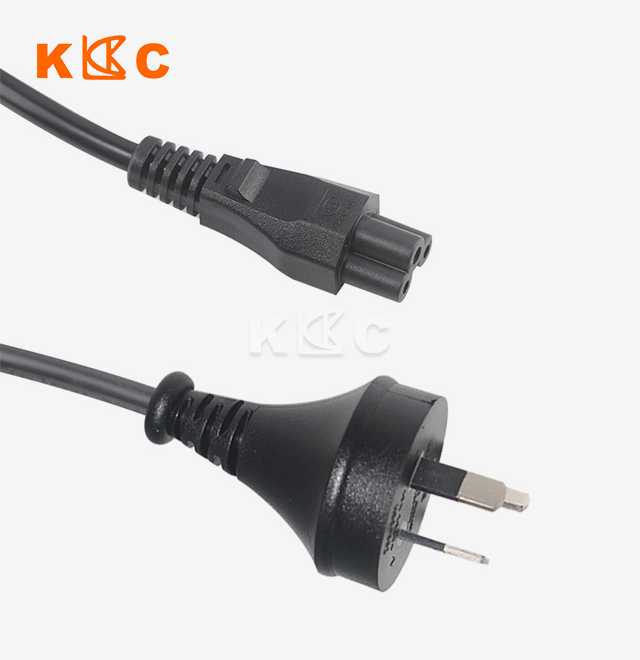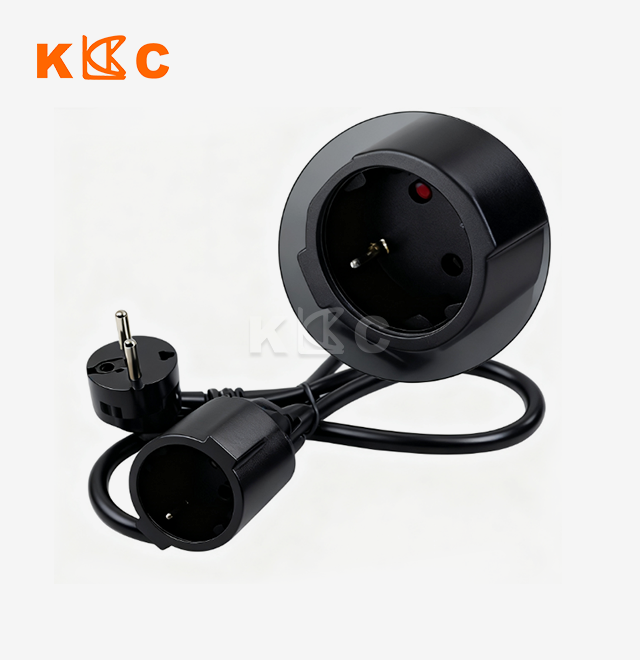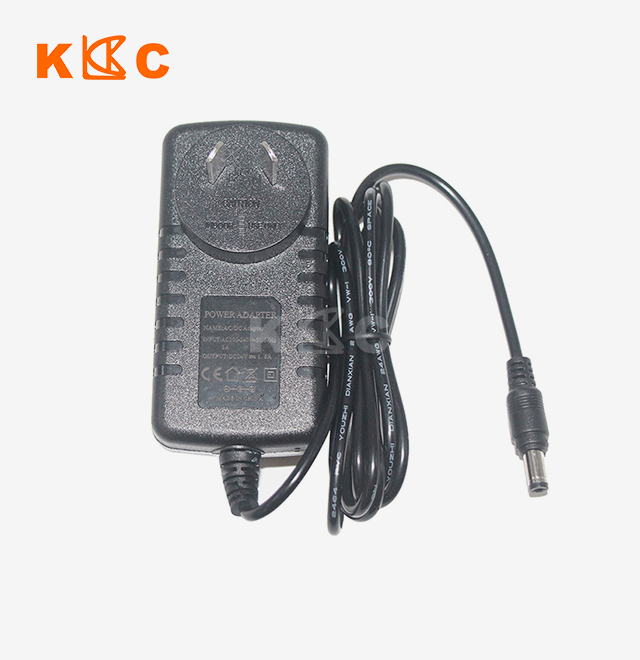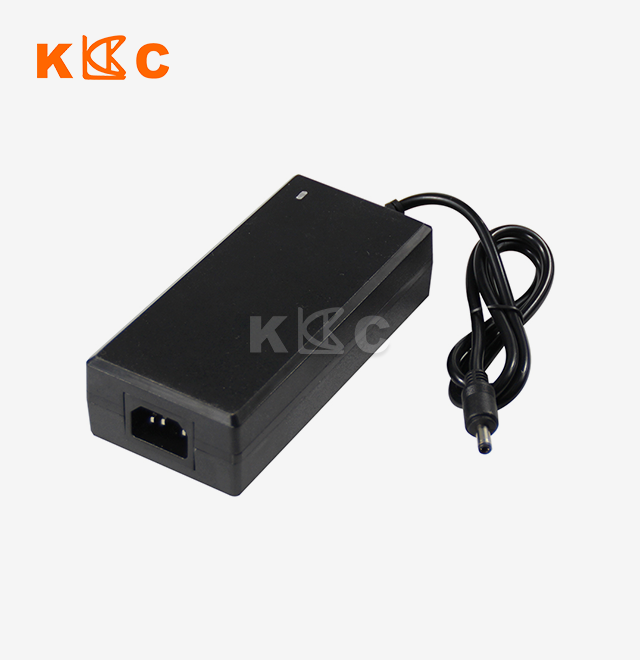

How to Choose the Right Gauge for Power Cord?
Picking the right gauge for your power cord cable is important for making sure that it is electrically safe, works well, and meets all the rules in commercial settings. The gauge tells you how strong the wire is and how much power it can carry without creating too much resistance or heat. If you choose the wrong gauge, the power could drop, the equipment could boil, be damaged, or even start a fire. When procurement pros know how American Wire Gauge (AWG) standards relate to amperage needs, wire length, environmental conditions, and AWG standards, they can make choices that protect machinery and people while lowering long-term costs.


Understanding Power Cord Gauge and Its Importance
What is Power Cord Gauge and How is it Measured?
The American Wire Gauge (AWG) method, which is used in North America and many other countries, sets the standard for power cord cable gauge, which is the diameter of the electrical conductors inside a cable assembly. The AWG numbering method works backwards: lower numbers mean wires that are larger and can carry more power, while higher numbers mean wires that are thinner. For example, the copper wires in a 12 AWG cable are bigger than those in an 18 AWG cable, so it can safely send a lot more electricity. This measurement has a direct effect on the cable's resistance. Cables with bigger sizes have lower resistance and produce less heat when they're in use.
Why Wire Gauge Directly Affects Safety and Performance?
Choosing the right gauge is important for more technical reasons than just its present ability. Joule's law says that resistance makes heat when an electric current runs through a medium. When a load is put on a wire with a gauge that is too thin, it experiences too much resistance. This can lead to dangerous temperature increases that can melt insulation, start fires, or damage the cable quickly. Working with clients in the consumer electronics and industrial control industries, we've seen that choosing the right gauge cuts down on warranty claims related to thermal problems by about 60 to 70%. Electrical safety guidelines set by groups like Underwriters Laboratories (UL) and the International Electrotechnical Commission (IEC) are based on the link between gauge, voltage drop, and thermal management.
Relationship Between Gauge, Voltage Ratings, and Insulation
Specifications for power cords include how the gauge size, voltage levels, and insulator materials work together. The gauge mostly determines the current capacity, while the insulation width and dielectric strength determine the voltage values. A 14 AWG cable that is rated for 300 volts needs different shielding materials and a different thickness than a 14 AWG cable that is rated for 600 volts. Modern power supply cable cords for medical equipment or industrial machinery often use special insulation compounds, like thermoset rubber (H07RN-F) or thermoplastic elastomers, that stay intact when heated up and meet strict leakage current requirements of less than 100µA. When procurement teams know about these connections, they can look at whole cable assemblies instead of just individual specs. This helps make sure that the cables will work with the intended uses and working situations.
Key Criteria for Choosing the Right Power Cord Gauge
Calculating Current Load and Applying Safety Margins
The first step in choosing a scale is to accurately calculate the current load. Find out what the connected equipment's highest constant current draw is. This is usually written on the device's nameplate and is given in amperes. As a best practice in the industry, you should add a safety range of 25 to 30 percent above the estimated loads to account for inrush currents, changes in the ambient temperature, and long-term conductor degradation. A power cord cable designed for at least 13 to 15 amps should be used with equipment that continuously draws 10 amps. Inrush currents can temporarily rise to 200–300% of steady-state values in situations involving motorized equipment or fast-charging methods like USB-C Power Delivery (PD). This means that extra capacity needs to be thought about. We often help customers with mass production of consumer goods where wrong calculations about safety margins led to failures in the field that cost a lot more than the extra money spent on properly gauged cables.
The National Electrical Code (NEC) has standard tables that show how wire diameter is related to the highest safe current for different fitting situations. These tables show things like the type of conductor (copper vs. aluminum), the insulation temperature values (60°C, 75°C, and 90°C), and the different ways that the wires can be bundled. For flexible cords and power cord cable, procurement workers should look at NEC Article 400. This article covers most power source cable cord uses. For longer wire runs, it's important to figure out voltage drop using the formula: Voltage Drop = (2 × Length × Resistance × Current) ÷ 1000. Making sure the voltage drop stays below 3% for branch circuits and 5% for circuits that use both feeders and branches together makes sure that the equipment gets enough power to work.
Environmental Conditions and Durability Requirements
Operating conditions have a big effect on choosing the right size and building the wire as a whole. Standard flexible line constructions with PVC insulation can be used in offices that are kept at a steady 20 to 25°C and don't have a lot of mechanical stress. On the other hand, our industrial automation clients who work in factories have to deal with temperature changes of -40°C to +85°C, cutting fluids and liquids, and mechanical stresses from machines that are moving. Not only do these conditions need the right gauge size, but they also need heavy-duty builds using SOOW or STOOW wire types with thermoset rubber insulation and oil-resistant outer jackets.
UV radiation, water getting in, and changing temperatures are some of the other factors that come up in outdoor uses. Power cord lines that connect to outdoor advertising displays or security camera systems need jackets that are resistant to UV light and waterproof (IP67/IP68) at the connection ends. These jackets usually have carbon black or other specialized stabilizers in them. The gauge of a cable affects how flexible it is in high temperatures. Thicker wires become stiffer in cold weather, which could cause insulation to crack from repeated bending. Our new energy and vehicle solutions use stranded conductor designs with more strands, which keep their flexibility across a wider range of temperatures and meet the gauge needs for 40–80 amp EV charging uses.
Cable Length Impact on Voltage Drop Compensation
Cable length is an important but often overlooked factor in choosing the right size. Total resistance goes up in proportion to the length of the wire. This causes a voltage drop that can leave equipment without the voltage it needs to work. Due to cumulative voltage drop, a 16 AWG wire that can power a gadget three feet from an outlet might not be enough at twenty-five feet. The resistance per unit length depends on the size. At 20°C, 16 AWG copper wire has about 4.02 ohms of resistance per 1000 feet, while 12 AWG has about 1.59 ohms of resistance per 1000 feet.
We often see procurement situations where clients try to standardize on a single gauge for all purposes to make managing supplies easier, but this causes performance problems on longer runs. Voltage drop tools and reference lists can help, but you should also think about things like peak vs. continuous loads and how sensitive your equipment is to changes in voltage. When the voltage drops more than 2%, sensitive electronics like medical monitoring tools or precise instruments may stop working. But resistive heating elements can handle more change. In a well-known case involving smart building security systems, a client had occasional camera failures that were tracked to 18 AWG poe cables that ran for 300 feet. Upgrading to 14 AWG fixed the problem by lowering voltage drop from 7.2% to 2.8%, which is well within acceptable limits.
Compliance with International Safety Standards
Regulatory compliance is an important thing to think about when choosing a power cord size, especially for businesses that buy in bulk and serve customers in more than one region. Different areas have their own rules about the size of conductors, the amount of insulation needed, and the way tests should be done. While UL and NEC standards are most important in North America, VDE and EN standards are more important in Europe, and CCC, PSE, or other regional certifications may be needed in Asia. Our internationally recognized certificates, such as ETL, BS, VDE, SAA, CE, and RoHS, give our clients the peace of mind that their chosen cable kits will meet the needs of the final market without having to pay for expensive redesigns or wait for regulatory delays.
IEC 60601-1 sets the rules for medical electrical equipment and the power cord cable connections that go with it. This is because medical uses have the strictest standards. Medical-grade power lines must have precise leakage current control, usually below 100µA, which can be done with Class II double insulation or other similar safety features. When something is labeled "hospital-grade" (often shown with green dots), it needs to go through more mechanical tests, such as tests of the holding force on the plug blades and better strain relief performance. Industrial machinery compliance may use IEC 60204-1 for electrical equipment on machines, which lists ways to size conductors, standards for protective conductors, and grades for the environment. Understanding the relevant standards early on in the buying process helps avoid costly design mistakes and the risk of being sued for works that don't follow the rules.

Comparing Different Power Cord Gauges and Types
Common Gauge Specifications and Current Capacity
18 AWG, 16 AWG, 14 AWG, and 12 AWG are the most common sizes for power cord cable products. Each has its own set of uses based on its ability to carry current and its flexibility. An 18 AWG power supply wire cord can usually handle up to 10 amps and is commonly used in office equipment, consumer electronics, and other light-duty situations where devices only need to draw a small amount of current. These thinner cords are great for laptop power adapters, desktop tools, and other low-power devices because they are very flexible and cost less to make. Our clients in consumer electronics use 18 AWG setups for large supply situations involving tablets, smartphones, and portable devices, making sure that performance and cost-effectiveness are both met.
When you step up to 16 AWG, the capacity goes up to about 13 amps, which is good for small machines, power tools, and computers that need modest current. This gauge is often used in offices, store point-of-sale systems, and light industrial tools because it hits a good mix between flexibility and capacity. The 14 AWG group, which can handle about 15 amps, is for more powerful devices like kitchen machines, shop tools, and industrial control panels. Heavy-duty uses like industrial machinery, big power tools, and other things that need a lot of steady current use thicker 12 AWG wires that can handle 20 amps. Our industrial automation portfolio focuses on 12 and 14 AWG constructions that are made to keep working properly even in harsh conditions like high temperatures and mechanical stress. This makes sure that control systems and production machinery keep running smoothly.
Flexible vs. Standard Cable Construction
Along with gauge measurement, wire design has a big effect on how well a cable works and what kinds of uses it can handle. Standard or "solid" conductor cables have one solid wire per conductor. They are cheaper to make and better at carrying current, but they are less flexible. In flexible cord constructions, each line has more than one fine wire strand. For example, a 16 AWG flexible cord might have 26 separate strands of 30 AWG wire. This stranding makes the material much more flexible and resistant to wear when bent over and over again, which is very important for uses that need to move or change things a lot.
When it comes to gauge and freedom for a power cord cable, there are some trade-offs that procurement workers need to think about in light of different use cases. Thicker gauges are less flexible by nature, which could make installation harder in small areas or for uses that need tight bend radii. Increasing the number of strands in a given size can help with this problem while keeping the electrical qualities the same. Our experience with medical health applications supports this idea: surgery and diagnostic tools that need to be moved around a lot benefit from ultra-flexible cord structures that use fine-strand conductors in the right-sized sizes. Durability is also affected by how it's made. For example, solid wires wear down more slowly than flexible cords, but flexible cords may have higher electrical resistance because of the air holes between the strands, though this difference isn't important in most situations. To make sure that the goods that are supplied meet operational needs, specification papers should make both gauge size and stranding design very clear.
Grounding Considerations and Wire Sizing
The right size of the grounding wire in power cord setups is an important safety feature that is often forgotten when choosing the gauge. The equipment grounding conductor (EGC), which is the third wire in most three-conductor power lines, lets fault currents flow through with little resistance. This makes sure that overcurrent protections work quickly when there is a short circuit. According to the NEC, grounding conductors must be the right size for the overcurrent device that is protecting the circuit. For most common uses, the minimum size should match or be close to the diameter of the phase conductor.
Most of the time, a 14 AWG power cord cable has a 14 AWG grounding conductor. However, some uses can use smaller grounding conductors because of NEC rules. The safety of the people working with electrical equipment depends on the stability of the grounding wire. If the gauge size is wrong, there may be too much resistance during fault conditions, which lets dangerous voltages stay on the equipment casings. Our medical-grade product line is a great example of how to properly ground something. For example, hospital-grade wires have stronger grounding conductor retention force standards (minimum 15-pound pull force) and are made with brass blades for better conductivity and corrosion resistance.
Power Cords vs. Extension Cords for B2B Applications
There are more differences between equipment power cords and extension cords than just length. They are also built differently, are rated differently, and are meant to be used in very different ways. Equipment power cords, also called power supply cable cords, can connect to certain devices forever or partially permanently. They usually have molded or strain-relieved terminations that match the inlet configurations of the equipment and are rated based on the needs of the attached load. Extension cords are used to temporarily or permanently distribute power. They have to be able to handle different loads when they're attached, and they have to last longer because they are moved around and handled more often.
In terms of buying, these groups shouldn't be treated the same way, even though they seem to be similar. Because of their length and the fact that they are likely to be attached to more than one device, extension cords need larger gauge sizes for the same ampacity. A 16 AWG equipment power cord might be enough for one 10-amp device, but a 16 AWG extension cord should only be used for lighter loads or shorter lengths to keep the voltage drop from being too high. Extension cords also have to meet stricter technical requirements, such as having strengthened strain relief and jackets that don't wear down easily. For added safety, they often come with lighted or GFCI-protected plugs.
Conclusion
Selecting appropriate power cord gauge represents a critical technical and safety decision requiring careful analysis of electrical loads, environmental conditions, cable lengths, and regulatory requirements. The inverse relationship of the AWG system—where lower numbers indicate thicker, higher-capacity conductors—forms the foundation for matching cable specifications to application demands. Proper gauge selection minimizes voltage drop, prevents thermal hazards from excessive resistance, and ensures compliance with safety standards governing electrical installations across consumer electronics, industrial automation, new energy systems, medical equipment, and smart building applications.
Successful procurement strategies balance electrical performance requirements against practical considerations including flexibility needs, environmental durability, and cost optimization across product portfolios. The case studies examined demonstrate how thoughtful gauge selection, informed by operational realities and supported by knowledgeable supplier partnerships, delivers measurable improvements in reliability, safety, and total cost of ownership. By applying the criteria and best practices outlined throughout this guide, procurement professionals can confidently specify power cord cables that protect equipment, personnel, and organizational assets while meeting demanding operational requirements.
FAQ
How do I identify the gauge of an existing power cord?
Most quality power cords feature gauge markings printed directly on the outer jacket, typically appearing every few feet along the cable length. Look for designations like "16 AWG," "14/3," or similar notations indicating conductor size and count. The jacket printing usually includes additional specifications such as voltage rating, temperature rating, and approval markings (UL, CSA, VDE, etc.). If markings have worn off or prove illegible, measuring conductor diameter with precision calipers allows gauge determination using AWG reference tables—though this requires cutting insulation to access conductors. When documentation proves unavailable and non-destructive identification becomes necessary, consulting with qualified electrical technicians or contacting original equipment manufacturers provides safer alternatives than guesswork.
Can I save costs by using a thinner gauge than recommended?
Reducing gauge below application requirements creates substantial safety and performance hazards that far outweigh any material cost savings. Undersized conductors generate excessive heat through increased resistance, potentially melting insulation and creating fire hazards. Voltage drop from inadequate gauge starves equipment of proper operating voltage, causing performance degradation, premature component failure, or complete malfunction. Liability exposure from injuries or property damage caused by substandard specifications dwarfs any procurement savings. Additionally, installations using improper gauge violate electrical codes and safety standards, potentially voiding insurance coverage, failing regulatory inspections, and creating legal liability. The modest incremental cost difference between adjacent gauge sizes—typically measured in cents per foot for common configurations—represents insignificant expense compared to potential consequences of inadequate specifications.
How does cable length affect voltage drop calculations?
Cable length directly increases total circuit resistance, as conductor resistance accumulates linearly with distance. Doubling cable length doubles resistance and voltage drop for a given current load. The voltage drop formula—Voltage Drop = (2 × Length × Resistance per foot × Current) ÷ 1000—accounts for the complete circuit path, hence the factor of two representing current flow through both supply and return conductors. Practical implications require upsizing gauge for longer runs to maintain acceptable voltage drop limits. A device operating satisfactorily on a six-foot 16 AWG cord may experience problems when cable length extends to twenty-five feet due to cumulative voltage loss, necessitating 14 AWG specification. Online voltage drop calculators and NEC reference tables provide guidance, though procurement specifications should incorporate conservative estimates and verify actual installation conditions match design assumptions.
Partner with Kuncan Electronics for Precision Power Solutions
Kuncan Electronics stands ready to support your power cord cable procurement requirements with seventeen years of manufacturing expertise and comprehensive technical consultation. Our engineering team collaborates with clients to analyze application-specific requirements—current loads, environmental conditions, cable lengths, and compliance needs—recommending optimized gauge specifications that balance performance, safety, and cost-effectiveness. Whether sourcing standard configurations or developing customized solutions, our flexible OEM/ODM capabilities deliver precisely tailored products meeting your exact specifications.
As an Alibaba Verified Supplier and holder of globally recognized certifications including ETL, BS, VDE, SAA, CE, and RoHS, we provide quality assurance and regulatory compliance confidence across international markets. Our streamlined supply chains enable rapid response—samples ship within 3-7 business days, bulk orders deliver in 15-25 days based on volume, with no MOQ restrictions supporting your inventory optimization strategies. Every power supply cable cord carries our one-year warranty against manufacturing defects, backed by rigorous quality control throughout incoming inspection, in-process monitoring, and final testing stages. Contact our team today at rhea@szkuncan.net to discuss your specific power cord cable requirements with a trusted power cord cable manufacturer committed to your operational success.
References
National Fire Protection Association. NFPA 70: National Electrical Code, 2023 Edition. Quincy, MA: NFPA, 2022.
Underwriters Laboratories. UL 817: Standard for Safety for Cord Sets and Power-Supply Cords, 9th Edition. Northbrook, IL: UL LLC, 2021.
International Electrotechnical Commission. IEC 60320: Appliance Couplers for Household and Similar General Purposes, Edition 3.0. Geneva: IEC, 2018.
Institute of Electrical and Electronics Engineers. IEEE Std 1100: Recommended Practice for Powering and Grounding Electronic Equipment. Piscataway, NJ: IEEE, 2020.
Canadian Standards Association. CSA C22.2 No. 49: Flexible Cords and Cables. Toronto: CSA Group, 2019.
Occupational Safety and Health Administration. OSHA 1926.405: Wiring Methods, Components, and Equipment for General Use. Washington, DC: U.S. Department of Labor, 2021.

USER EVALUATE
Here is the customer's evaluation of us