
How to Match Voltage and Tips for a Universal AC Adaptor?
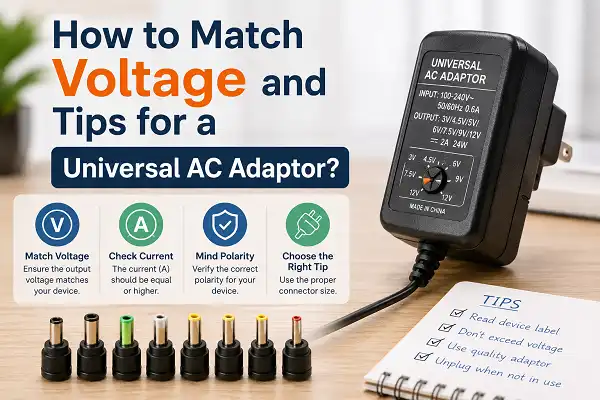
Matching voltage correctly with a universal AC adaptor protects your devices from damage while ensuring optimal performance. The key lies in verifying your device's voltage and current requirements—typically listed on equipment labels or manuals—and selecting an adaptor with compatible output specifications. Quality universal AC adaptors from reliable manufacturers like Kuncan Electronics offer 100-240V input compatibility and multiple output options (5V/12V with 1A-3A ratings), eliminating guesswork. Built-in protection features such as OVP, OCP, and SCP safeguard against power surges, while DOE Level VI efficiency standards reduce energy waste. Understanding these fundamentals ensures procurement teams make informed decisions that balance safety, performance, and long-term reliability across diverse electronic equipment portfolios.
Understanding Universal AC Adaptors and Voltage Matching Principles
Learning about universal AC adaptors and how voltage matching works is essential for equipment longevity. Power conversion devices are an important part of modern technology because they connect the devices we use every day to wall plugs. Having the right power source can mean the difference between running smoothly and having expensive tools break down.
What Makes an Adaptor Universal
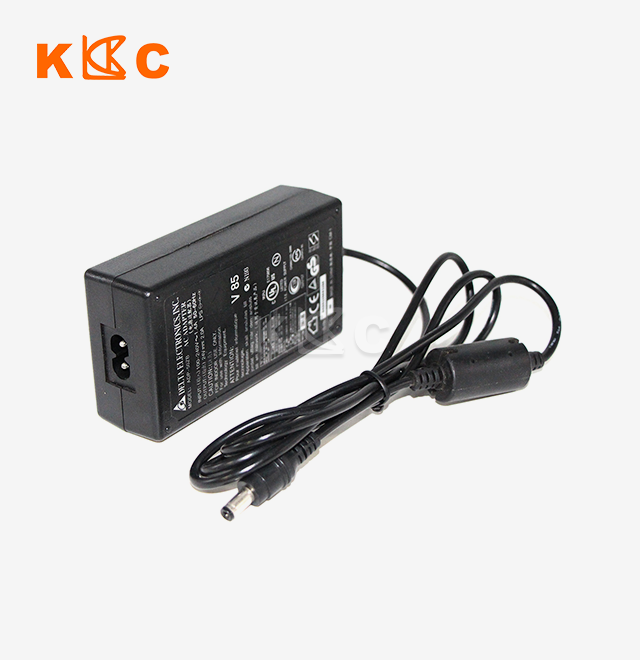
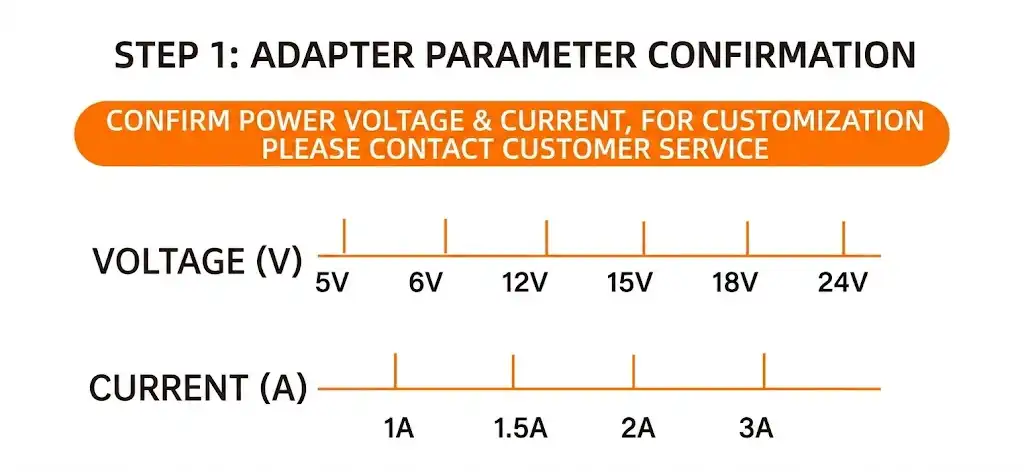
A universal power source can take a wide range of voltages, from 100V to 240V AC, and will automatically change to meet the needs of each region without any help from the user. Because of this, routers, CCTV systems, LED strips, and commercial equipment can be used all over the world. The adaptor changes the alternating current from the wall outlet into stable direct current at certain levels that gadgets need, usually 5V or 12V. Standard adaptors are limited to a single voltage output. Universal models, on the other hand, can connect to a variety of devices because they have interchangeable connections and current rates that can be changed from 1A to 3A.
Why Voltage Matching Matters for Procurement?
Damage to equipment is one of the most expensive mistakes that can happen in B2B. When the power goes above what the device can handle, internal parts get too hot and break before they should. Not enough voltage leads to unpredictable behavior, lost data, or total loss of the system. These risks are too big for procurement teams that are in charge of hundreds or thousands of devices in the smart building, industrial automation, and consumer electronics sectors. Control systems, monitors, security cams, and networking gear can all keep working without problems if they are properly matched. International business is more difficult because outlets in the US use 120V, outlets in Europe use 230V, and markets in Asia are very different. Kuncan Electronics solves these problems with adaptors that are widely approved and have ETL, CE, VDE, and SAA certifications, making sure that they work in all markets.
Regional Voltage Standards and Global Compatibility
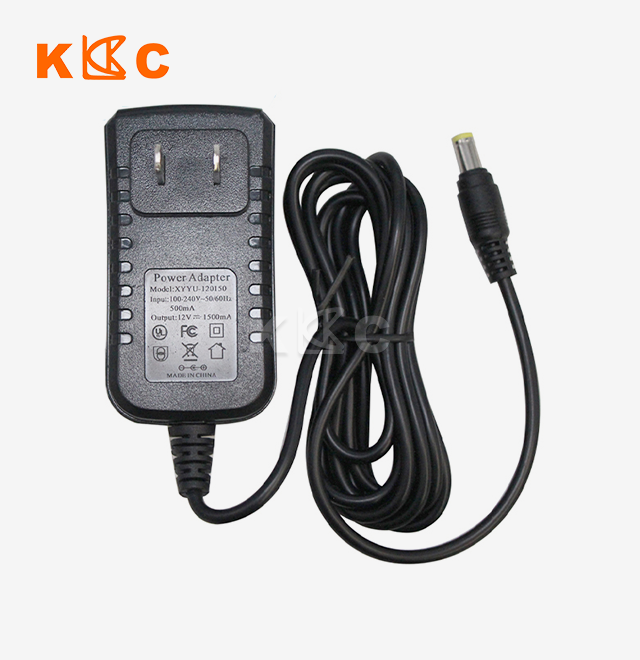
Businesses in North America usually use 120V/60Hz power lines, which means they need adaptors made for NEMA 1-15P two-pin plugs. In Europe, things work on 230V/50Hz and the plugs are set up differently. From Japan's 100V systems to India's 230V systems, Asian countries have the most variety. Multinational wholesalers that are in charge of handling supply chains in these areas need adaptors that can automatically find and change to local power standards, so they don't have to divide their goods into separate sections. Voltage changers are not needed with wall-mount adapters that accept voltages from 100V to 240V. This makes buying things easier and saves space in warehouses. Standardization makes transportation easier while keeping operations safe across a wide range of electrical systems.
Step-by-Step Guide to Matching Voltage for Universal AC Adaptors
Systematic review of the universal AC adaptor stops problems with compatibility before they get in the way of operations. When describing power needs, procurement workers should use a structured method that works well with a universal AC adaptor.
Identifying Device Voltage and Current Requirements
Labels on equipment, which are usually found on the bottoms of devices or near power ports, give important information. Look for rates that say something like "Input: XX V DC, XX A" or something similar. When signs have worn off or aren't clear, device instructions have more detailed electrical information. Voltage needs are shown as single numbers (12V) or ranges (9–12V), and current rates show the highest amount of current that can be drawn, in amperes or milliamperes. By writing down these specs for all of your devices, you'll have a buying guide that makes future orders easier. Adaptors that give at least 24W of power (voltage ÷ current = watts) are needed for devices that use 2A of 12V. Professional-grade units come with safety gaps built in.
Evaluating Adaptor Voltage Ranges and Output Options
Power supplies that are good at what they do give off exact voltages that are usually within ±5% of the maximum voltage. Kuncan's business-level units provide steady 5V or 12V outputs over the full 1A to 3A current range, and can give 5W to 36W of power. For settings with a mix of devices, adjustable voltage models are more flexible, but fixed-voltage units are more stable for deployments with only one device. The output current must be at least as high as what the device needs. For example, an adaptor rated for 2A can safely power 1.5A devices but won't work with 3A gear. Current matching keeps adaptors from burning and makes them last longer. Before they are shipped, our wall-mount adapters go through 4-hour full-load age tests to make sure they work consistently at their highest rating levels.
Practical Verification Techniques and Tools
Digital multimeters accurately measure voltage at adaptor outputs, making sure that specs match what the maker says they are. Set the multimeter to DC voltage mode and connect the probes to the adaptor's output connector (black to negative/outer barrel and red to positive/center pin). Check that the results match the quoted voltage within acceptable limits. High-volume purchase checks can be done quickly with voltage testers, which give a quick pass/fail result. Supplier datasheets from reliable makers list exact specs, scores for efficiency, and safety features. When buying in bulk, making sure that each batch is the same by asking for approved test results is important. Kuncan Electronics offers detailed technical information, such as efficiency curves, ripple voltage measures, and safety threshold specs. This helps customers make smart purchasing choices based on real data, not just marketing claims.
Digital Monitoring for Large-Scale Procurement
Digital asset tracking systems that keep track of both equipment serial numbers and power requirements are helpful for organizations that are in charge of large deployments of devices. When an order is being processed, cloud-based buying systems can flag voltage mismatches, which stops mistakes before the purchase is complete. Automated inventory management systems compare the power needs of devices with approved adaptor SKUs. This speeds up reordering while keeping standards for compatibility. These quality control steps are especially helpful for industrial automation and smart building uses where equipment is constantly working in places that are hard to get to or far away. Using strict pre-deployment verification to cut down on field failures lowers upkeep costs and increases system reliability across complicated device ecosystems with thousands of connection points.
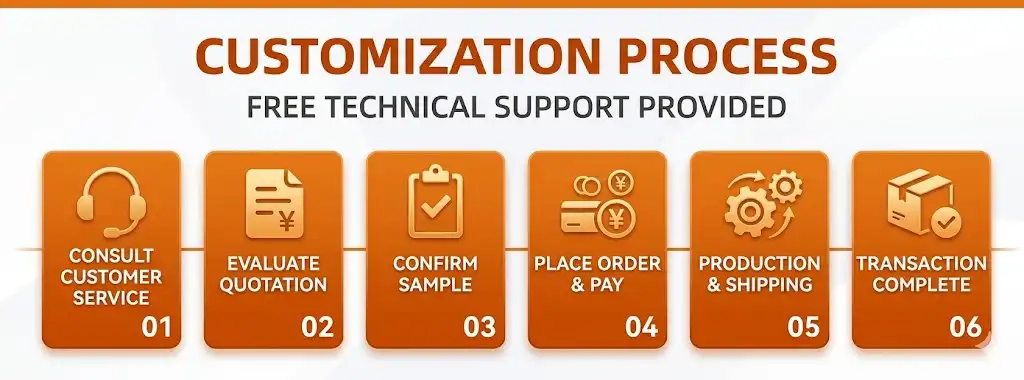
Key Tips for Selecting and Using Universal AC Adaptors Safely and Efficiently
When thinking about safety for the universal AC adaptor, it's not just about meeting the voltage; you should also think about multiple layers of defense and best practices for operation when using a universal AC adaptor.
Essential Protection Features for Industrial Environments
Strong protections against electricity problems are needed for equipment that works in tough circumstances. Here are the main safety features that buying teams should check:
Over-voltage protection (OVP) turns off the output when the voltage goes above safe levels. This keeps parts from breaking when the power grid changes. Heavy machinery starts up in industrial sites, causing voltage spikes that are necessary for control systems and monitors.
Over-current protection (OCP) stops the flow of current when devices don't work right or when there is a short circuit. This keeps fires from starting and keeps equipment from getting damaged. This feature is very important for outdoor setups and security systems that could fail because of bad weather.
Short-circuit protection (SCP) turns off output right away when there is a problem with the wires. This keeps both the adaptor and the device that is attached safe. When equipment is connected and disconnected a lot, like in a manufacturing setting, SCP is especially helpful.
Over-temperature protection (OTP) checks the temperature inside the adaptor and lowers output or turns off the device when the temperature gets too high. This keeps the part working longer in hot settings.
These safety features work together in Kuncan's US-standard adaptors, which use all four methods along with ultrasonic welding to make them more resistant to impact. Before units get to customers, they are tested to make sure that the safety turns on at certain levels.
Legal Compliance and Certification Verification
Regulatory certifications show that electrical equipment meets the safety and efficiency standards in certain areas. The CE mark means that the product meets European standards for low power and electromagnetic compatibility. UL and ETL ratings show that safety standards in North America have been met by independent testing. VDE certification shows that the electrical safety standards in Germany and Europe are met, while SAA approval covers the markets in Australia and New Zealand. FCC compliance deals with rules that protect transmission systems from electromagnetic pollution. When there are worries about authenticity, procurement teams should check that certificates match the places they are going to. They can do this by comparing certification numbers to databases maintained by the granting body. Our Dongguan plant keeps its certifications up to date for all of the major markets, and we have all the paperwork you need for customs clearance and compliance checks on hand. RoHS and REACH compliance protects the environment by limiting dangerous chemicals. This is becoming more and more important for businesses that want to use sustainable purchasing practices that are in line with their environmental goals.
Extending Adaptor Lifespan Through Proper Handling
How long something works relies on how it is used and how well it is maintained. Wall adaptors should be mounted in well-ventilated areas, not in tight places where heat can build up. Make sure there is at least 2 inches of space around each unit on all sides so that heat can escape naturally through airflow. Do not connect multiple adaptors in a daisy chain or use extension cords, as these actions raise the resistance and heat levels. When equipment isn't being used for long amounts of time, disconnect the adaptors. This lowers the combined thermal stress on the internal parts. Visual checks done on a regular basis can find early danger signs like worn connectors, damaged cables near strain reliefs, and discoloration that means the system is getting too hot. Use compressed air to clean the dust out of the ventilation holes and keep the heat performance at its best. When trying to figure out what's wrong with an operation, make sure that the links are still tight and free of rust, especially in damp places. Instead of trying to fix damaged adaptors that could affect their safety standards, it is better to replace them.
Connector Compatibility and Polarity Considerations
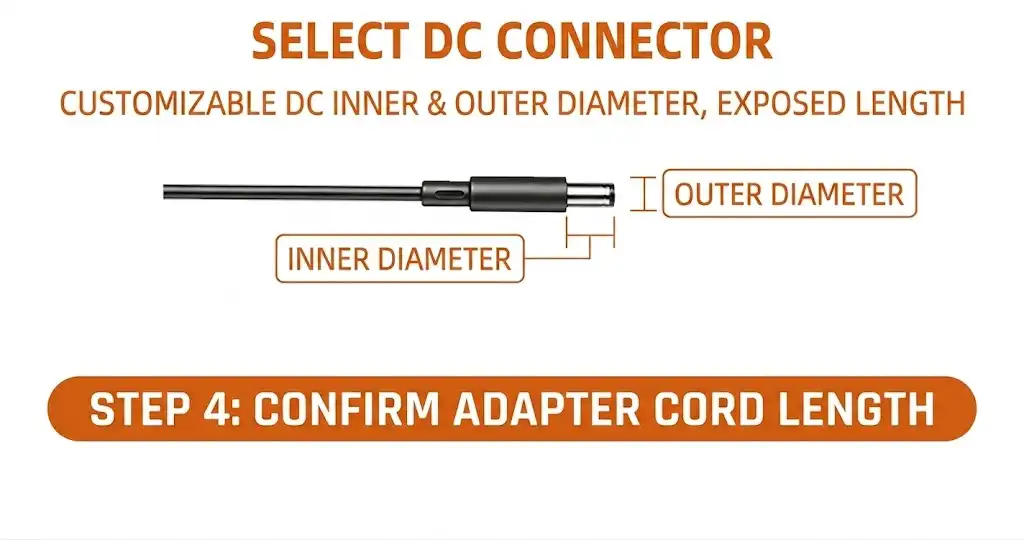
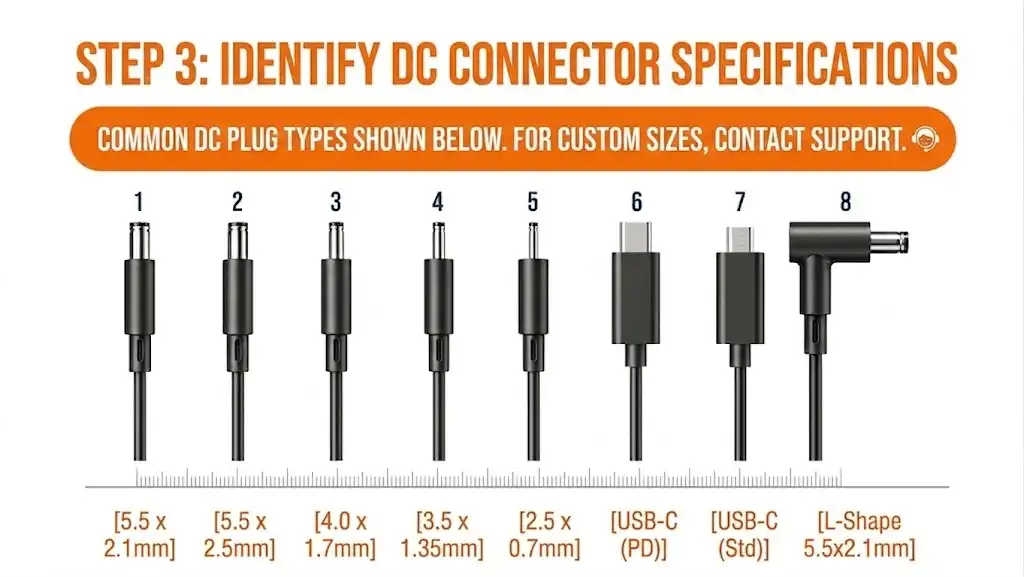
DC barrel connectors for the universal AC adaptor have different outer diameters (5.5mm, 4.0mm, 3.5mm) and inner pin diameters (2.5mm, 2.1mm, 1.7mm, 1.35mm), so they need to be perfectly matched for a safe link. Kuncan has adaptors with a variety of connectors, such as 5.5×2.1mm, 5.5×2.5mm, 3.5×1.35mm, 4.0×1.7mm, and newer USB Type-C outputs. The polarity orientation—whether the middle pin has a positive or negative voltage—has a huge impact on how the device works. Center-positive arrangement is used by most consumer products, but there are some that don't. Before connecting, check the polarity symbols on the device labels, which are usually diagrams with + and - signs, and make sure the polarity of the adaptor fits. When polarity is switched, it can damage technology forever. Standardized connectors on USB-output adaptors get rid of worries about polarity and give devices that need USB-C power transfer extra benefits. USB power distribution is being used more and more in modern smart buildings and security systems. This makes managing cables easier and allows data transfer and power delivery through single-cable options.
How to Streamline Your Procurement Process for Universal AC Adaptors?
For efficient sourcing, universal AC adaptors must be evaluated in a planned way using concrete factors that support the business's long-term goals.
Critical Supplier Evaluation Criteria
Warranty terms show that the company that made the product is confident in its quality. Two years of full covering against manufacturing flaws and component breakdowns is a sign of strong quality control systems and high-quality parts. Shorter warranty periods or restrictions for certain types of failure show that steps to save money are hurting dependability. Safety certifications need to match the places where they are going. Check current certificates instead of taking old or useless ones. Authenticity verification tells the difference between real OEM makers and illegal sellers who sell fake or gray-market goods. Kuncan Electronics is both a manufacturer and a verified provider. They have been making electronics for 17 years, have more than 300 skilled workers, and use ISO-certified facilities to back up their claims with qualifications that can be checked. When forming new relationships with suppliers that will involve large purchases, it is important to ask for building tours, quality control paperwork, and customer recommendations.
Negotiating Competitive Pricing and Bulk Discounts
When you make a bigger commitment, the price per unit goes down a lot with volume pricing rates. Most buildings give discounts of 10–15% for orders of 1,000 units or more, 20–25% for orders of 5,000 units or more, and even bigger discounts for orders of 10,000 units or more per year. When figuring out the economic order numbers, procurement teams should weigh the benefits of discounts against the costs of keeping stockpiles and the risk of items going out of style. Long-term supply deals lock in good prices for 12 to 24 months. This protects budgets from rising material costs and makes sure there is a supply when the market is short. Payment terms affect effective costs. Net 60 or 90-day terms are better for working capital, but some sellers offer savings of 2% to 3% for paying early. Competitive bidding among qualified suppliers is good for negotiating strategies, but exclusive partnerships with proven suppliers often deliver better value through dedicated support, priority capacity allocation, and collaborative development relationships that go beyond transactional purchasing.
Replacement Parts and Service Infrastructure
Component-level serviceability isn't as important for power adaptors as making sure that replacements are easy to find when they break. When suppliers keep extras of popular setups on hand, they can ship emergency items the same day or the next, which keeps equipment from being down for long periods of time. Talking about substitute wait times when evaluating suppliers keeps you from being surprised when you need something quickly. Instead of depending solely on manufacturer inventory, organizations that run key infrastructure should set up safety stock at regional delivery centers. Kuncan's flexible minimum order rules allow for small-batch restocking without causing too much inventory to build up. Customer service responsiveness has a direct effect on how efficiently procurement works. Suppliers who offer specialized account management, proactive contact about order progress, and quick price turnaround make processes run more smoothly. Having access to technical support is very helpful when there are questions about compatibility or when problems in the field need help with solving. When suppliers offer engineering consulting services, they help buyers find the best solutions for new uses. By doing this, suppliers may find cost savings or performance gains that buying teams would miss if they only relied on their own knowledge.
Conclusion
Voltage matching and choosing the right universal AC adaptor have a big effect on the dependability, safety, and total cost of ownership of electrical tools used in many different situations. This step-by-step plan includes checking device specs, figuring out what adaptors can do, deciding which safety features are most important, and choosing reliable sources. It helps procurement professionals make smart choices that minimize risk and maximize value. Universal power sources that work with 100V to 240V inputs, have multiple output options, and a lot of safety features give businesses the freedom they need to serve customers around the world and make managing their inventory easier. When it comes to parts that provide constant power to important equipment, quality is very important. You can tell the difference between high-quality options and cheaper ones that won't last as long. Checking the certification, the warranty terms, and the name of the maker are all good ways to do this. Companies that put money into good supplier relationships and specification processes get better results, like fewer machine breakdowns, lower upkeep costs, and better business consistency.
FAQ
What voltage should I look for in a universal AC adaptor?
Check the label or instructions that came with your device to see what voltage and current it needs. Good universal adaptors can take 100V to 240V AC input and give you a choice of outlets, usually 5V or 12V DC, with current values from 1A to 3A. Make sure that the adaptor's output voltage matches the device's needs perfectly and that the current capacity meets or exceeds the device's draw.
Can universal adaptors work with any device worldwide?
Universal input voltage (100–240V) lets devices work anywhere in the world without adapters, but output specs must match the needs of the device. Make sure that the power levels, connector type, and polarity direction are still suitable. Even if the electrical specs are the same, different plug types in different areas may need physical adapters.
What safety certifications matter most for procurement?
Certifications that are relevant to your markets should be given the most weight: UL/ETL for North America, CE/VDE for Europe, and SAA for Australia and New Zealand. Check the current state of the approval and make sure it is in line with RoHS and REACH regulations. Manufacturers of high quality, like Kuncan, keep up-to-date licenses in all of the world's big markets.
How do protection features prevent equipment damage?
Built-in OVP, OCP, SCP, and OTP mechanisms constantly watch electrical conditions and cut off or limit power automatically when something goes wrong. These safeguards keep equipment safe from voltage spikes, current overloads, wiring problems, and temperature stress, all of which are common reasons for equipment failure in business and industry settings.
Partner with Kuncan Electronics for Reliable Universal AC Adaptor Solutions
Kuncan Electronics has been making high-quality products for 17 years and has ISO-certified quality systems to back up their business-grade power solutions. Our line of universal AC adaptors is for buying workers who need reliable performance in smart buildings, industrial automation, consumer products, and security systems. We offer 100-240V world compatibility, DOE Level VI efficiency, and a wide range of safety features, all at factory-direct prices and with full customization options. Every adaptor goes through strict 4-hour full-load aging tests that make sure it will work reliably from the first link to years of ongoing use. As a reputable and experienced maker, we give buying teams the benefits they need, such as sample delivery in 3–7 days, flexible small-batch replenishment, a 2-year guarantee, and dedicated engineering support. Get in touch with rhea@szkuncan.net right away to talk about your unique needs and find out how our universal AC adaptor options can help you improve your supply chain and lower your total cost of ownership.
References
Institute of Electrical and Electronics Engineers. (2021). IEEE Standard for Safety Levels with Respect to Human Exposure to Electric, Magnetic, and Electromagnetic Fields. IEEE Standards Association.
U.S. Department of Energy. (2022). Energy Conservation Program: Energy Conservation Standards for External Power Supplies. Federal Register, Volume 87.
International Electrotechnical Commission. (2020). IEC 60950-1: Information Technology Equipment - Safety - Part 1: General Requirements. IEC Publications.
Underwriters Laboratories. (2023). UL 60950-1: Standard for Safety of Information Technology Equipment. UL Standards Catalog.
European Commission. (2019). Commission Regulation EU 2019/1782: Ecodesign Requirements for External Power Supplies. Official Journal of the European Union.
National Electrical Manufacturers Association. (2022). NEMA WD 6: Wiring Devices - Dimensional Specifications. NEMA Standards Publication.

USER EVALUATE
Here is the customer's evaluation of us
_1781163912838.webp)