
Kuncan Electronics Fused SAE O-Ring Leads: Keep Your Battery Charged Safely
Modern power systems in cars, boats, and factories depend on battery links that work well. Kuncan Electronics has spent 17 years creating battery safety solutions that keep your equipment running while keeping it safe. Our fused SAE to O-Ring terminal with fuse is a carefully thought-out way to handle power that combines safe connection with built-in circuit safety. This part meets a very important need in the industry: it stops electrical problems before they damage expensive equipment or make dangerous situations in tough settings.
Introduction Overview
Battery upkeep is hard in many fields for different reasons. People who work with equipment in car repair shops, marinas, and factories know that electricity problems can cause costly downtime. Our fused SAE O-Ring leads are a useful option because they have fuse safety built right into the terminal connection point. This makes them a reliable barrier against overcurrent and short circuits.
Working with professionals in global procurement has taught us what's most important: a reliable system that needs less maintenance and parts that work the same way in all kinds of working situations. These leads protect your expensive power control hardware purchases like insurance for your battery infrastructure. When electricity systems fail, the problems don't just cost money to fix; they cause production delays, missed service dates, and decreased safety, all of which cost a lot of money.
The tech behind these leads is based on what operations need in the real world. We've seen how salt spray breaks down marine connections, how vibrations can loosen terminals that aren't properly held in off-road vehicles, and how high temperatures can damage materials used outside. Each design choice is based on a specific failure mode that has been identified through years of field experience and customer feedback.
Understanding SAE to O-Ring Terminal with Fuse
In the last few decades, battery connection technology has changed a lot. This is because more power is needed and safety rules are getting tighter. The SAE to O-Ring terminal with fuse connection design is a well-thought-out combination of standard quick-connect functionality and safe mechanical fastening. This mixed method gives you options that either a pure ring terminal or a pure quick-connect system can't.
Core Design Elements
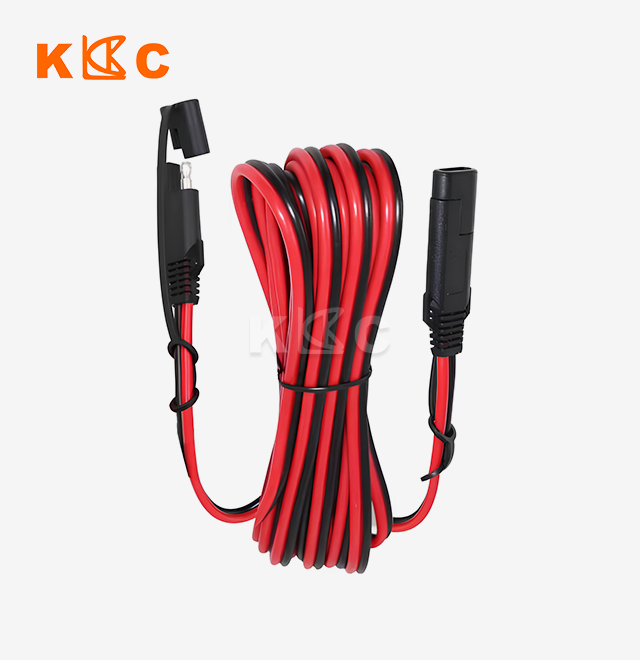
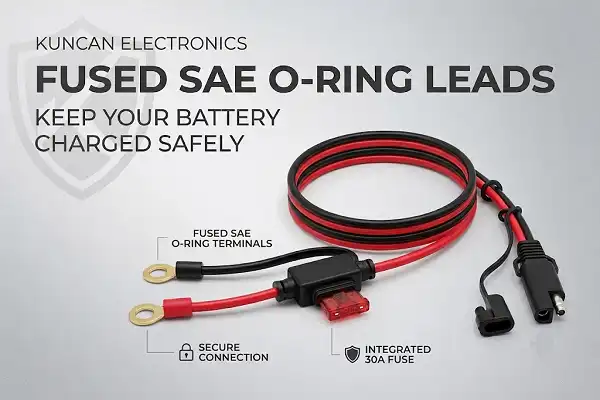
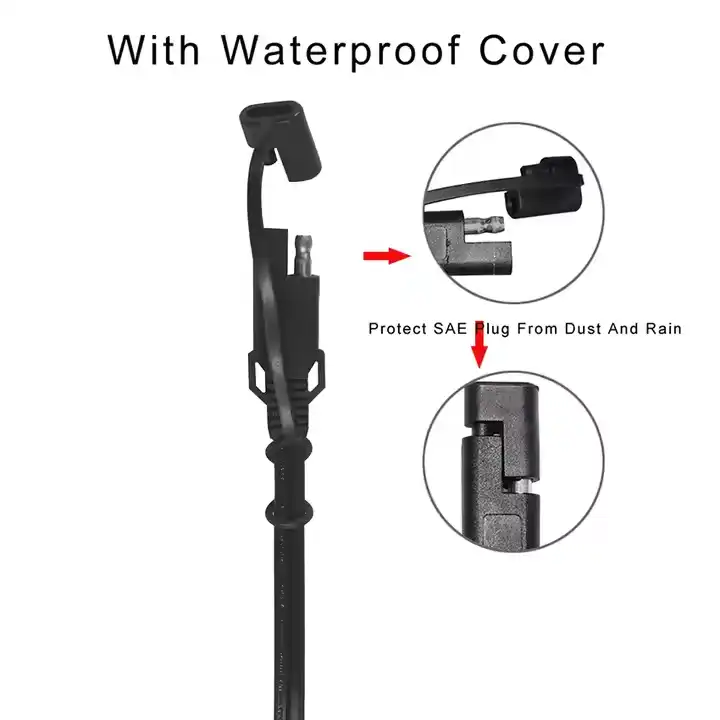
The SAE link part lets you connect battery chargers, solar charge controls, and portable power tools without using any tools. This standardized two-pin interface is used in almost all 12V DC uses. It makes sure that a lot of different brands and types of tools can work together. The O-Ring connectors, which come in M6, M8, and M10 sizes, connect permanently to battery posts and electrical bus bars and can withstand vibrations.
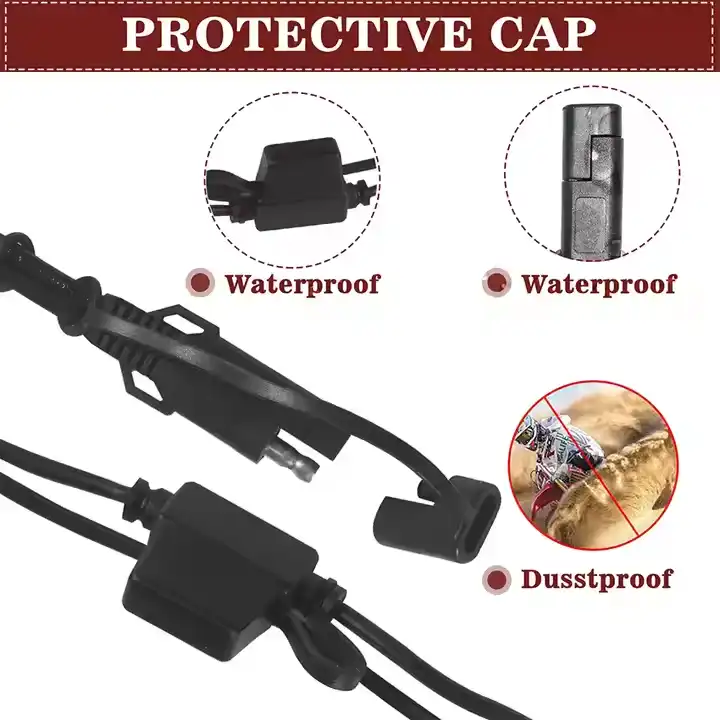
This connection is more than just an interface; it's an active safety device with built-in fuse protection. When the voltage goes over safe limits, the blade fuse stops the flow of current. This keeps the wires from burning and parts from breaking. Our units can handle fuses with values of 7.5A, 10A, and 15A, so they can be perfectly matched to the needs of each load. The weather-resistant fuse holder keeps the safety working even when it's wet, dusty, or the temperature changes.
Material Selection and Construction Standards
The electrical path is made up of high-purity copper wires, which reduce resistance and voltage drop while power is being sent. Copper, not copper-clad metal, is what we need because pure copper stays conductive at temperatures ranging from -20°C to 105°C. Tin plating on ring ends stops oxidation in damp and salty air, so connections will stay reliable for a long time in marine and seaside settings.
Material that meets the SPT-2 standard is used for wire insulation on the SAE to O ring terminal with fuse. It protects against mechanical damage and electrical interference, and it can be used in both automotive and commercial settings. The red-black color scheme of the zip cord makes it easier to find the right orientation during installation, which lowers the risk of connection mistakes that could damage sensitive electronics. Pull-force tests are done on each assembled unit to make sure that the crimp integrity passes UL 486A standards. This makes sure that the mechanical strength is high enough for high-vibration uses.
Benefits of Using Kuncan Electronics Fused SAE O-Ring Leads
To pick the right battery connection, you have to weigh a number of performance factors. The benefits of our joined leads are real and can be seen across your entire fleet of tools, improving operations and lowering risk.
Comprehensive Circuit Protection
During normal function, electrical systems can go wrong in a number of ways. When insulation wears away or wiring paths run into sharp edges, short circuits happen. When equipment uses more electricity than the lines can safely handle, this is called overcurrent. Without safety, these situations cause too much heat, which breaks down wiring, damages parts, and makes fires more likely.
The built-in switch stops the flow of current before it causes heat damage, acting as a safety feature. This simple feature has kept our customers' tools from breaking down and starting fires many times. It only costs a dollar and takes minutes to change a blown fuse, but it takes hours of work and expensive new parts to fix burned wiring or damaged control units. The safety goes beyond the immediate parts; it also keeps the battery healthy by stopping deep discharge conditions that forever lower capacity.
Simplified Installation and Maintenance
Equipment downtime has a direct effect on how much you can make and how much you can earn. The design of our connectors makes it easier to do both the original installation and ongoing upkeep. This means that technicians spend less time doing routine chores. When connecting charging equipment, the SAE quick-connect interface saves you from having to fiddle with terminal screws. The fixed O-Ring terminals make sure that the links to the battery are secure, even after years of vibration and temperature cycling.
To get to the fuse, you don't have to take anything apart; the weatherproof box opens easily for replacement and eye inspection. Maintenance teams like this because it makes fixing easier because checking the state of a switch only takes seconds instead of minutes. Clear polarity markings and color-coded wiring help keep installations from going wrong. This is especially important when more than one worker is working on the equipment or when installs are happening in a dark room.
Durability in Demanding Environments
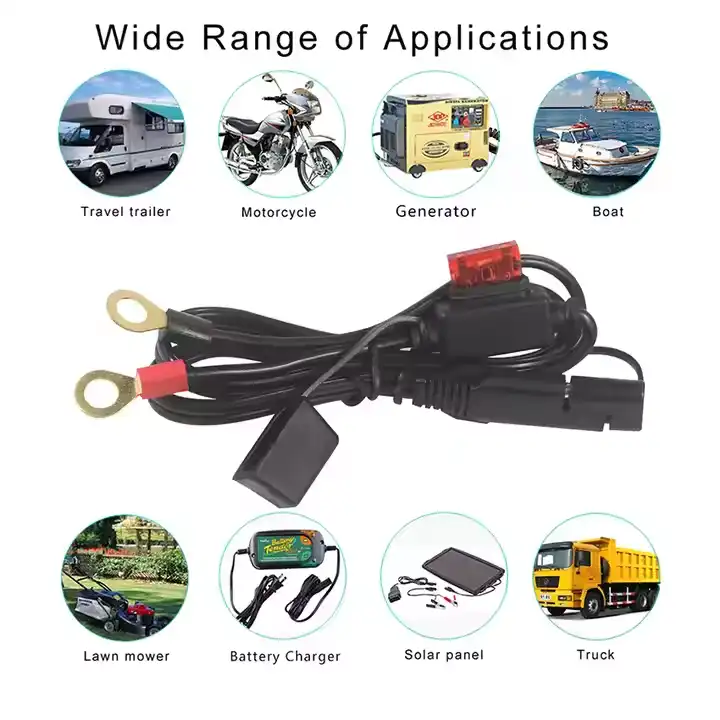
Our customers use tools in tough situations that can damage lesser parts. Powersports cars have to deal with vibrations, shock loads, and changes in temperature all the time. When used in marine settings, links are exposed to UV rays, salt spray, and humidity. Solar systems in remote areas have to work regularly even when there is dust, changes in temperature, and limited access for upkeep.
These problems are directly dealt with by the materials used and the way they are built. Corrosion-resistant terminal plate keeps low-resistance links even when exposed to the elements. Strong crimping makes mechanical links that don't come loose when vibrations happen. The IP65 grade makes sure that water and dust can't get into the fuse box while it's working. Protocols for testing make sure that each unit can handle the environmental stresses that are common in the uses it is meant for. This gives you faith that the parts will work the same way for the whole time they are in use.
When we look at our SAE to O ring terminal with fuse leads next to options that aren't fused, we can see how valuable integrated security is. Standard ring terminal systems are a little cheaper at first, but they don't protect against overcurrent. Installing multiple different internal fuse boxes makes things more complicated, creates more places where things could go wrong, and needs more installation room. Blade fuses aren't as safe as ring contacts because they don't have a mechanical link. Our combined design gives you the best security and dependability in a small, low-cost package.
How to Select the Right SAE to O-Ring Terminal with Fuse for Your Needs?
Systematic evaluation of technical needs and operational goals helps with procurement choices. To choose the right battery connections, you need to look at the electrical loads, the climate, and the ease of upkeep. To choose the right battery connections, you need to look at the electrical loads, the climate, and the ease of upkeep.
Matching Fuse Ratings to Load Requirements
Choosing the right fuse saves circuits without stopping them for no reason. First, figure out how much constant current the linked devices can use. Add a safety buffer, which is usually 125% of the constant load, to account for surges at starting and short-term overloads. Choose the normal fuse grade that is closest to this number.
Our 7.5A rating works for maintenance charges for batteries and low-power devices that constantly draw less than 6A. The 10A version can handle hot equipment, small inverters, and more than one LED lighting circuit. The 15A fuse is good for applications that need 12A or more, but make sure the wire gauge can handle this amount of power. Fuse that is too small blows too often during regular operation, and fuses that are too big don't protect against dangerous overcurrent situations.
Wire Gauge Considerations
The voltage drop and current carrying ability are directly related to the size of the conductor. With circuit lengths under four feet, our basic 16AWG and 18AWG choices can handle most charging and accessory needs. These sizes are flexible enough to route through small areas and have enough ampacity for most loads.
For higher current uses, wires need to be bigger. For systems that need to run air compressors, inverters, or other high-draw equipment, we have 12AWG and 14AWG options. A bigger wire lowers the voltage drop that happens during use, making sure that equipment gets the right amount of electricity to work properly. The link between wire gauge, length, and current capacity is based on known electrical code rules. We offer technical support to help you choose the right configurations for your needs.
Evaluating Supplier Capabilities
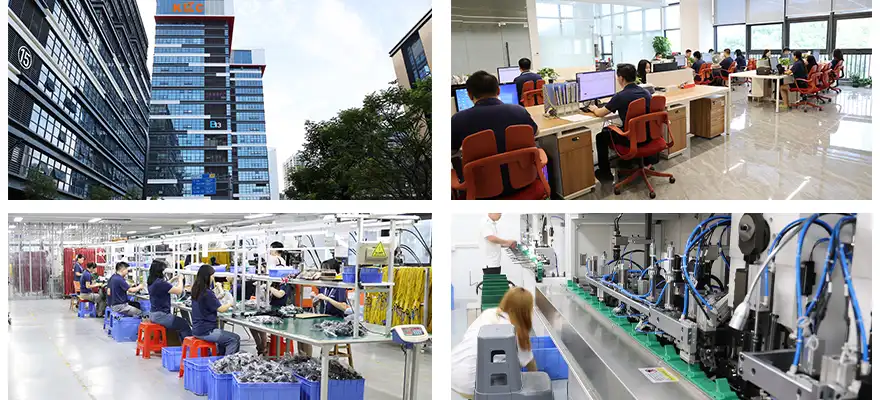
The standard of parts made by different companies changes a lot. Building ties with dependable sellers lowers the risks of buying things and makes sure that products always work well. Kuncan Electronics has been making battery connections and power devices for 17 years and has a deep understanding of how they fail and what performance is needed in a wide range of situations.
Our standing as an Alibaba Verified Supplier and our many approvals, such as ETL, CE, VDE, SAA, and RoHS, show that we are committed to high standards and following the rules. Each batch of products goes through 100% electrical testing to make sure the fuses work properly, the connections are solid, and the polarity is correct. This testing finds problems with the way the goods were made before they get to customers. This protects your image and cuts down on warranty claims.
When stock goods don't perfectly meet the needs of an application for the SAE to O ring terminal with fuse, the ability to customize them is important. Through flexible production methods, we can meet your needs for custom wire lengths, gauge specs, ring terminal sizes, and fuse rates. Free design studies are part of engineering support, and they can help you get the best connection specs for your equipment and working conditions. This way of working together makes sure that parts fit perfectly into your goods or maintenance processes.
Installation Guide for Kuncan Electronics Fused SAE O-Ring Leads
The safety and efficiency benefits of these parts are at their best when they are installed correctly. Common mistakes can be avoided by following systematic processes, which also ensures stable long-term operation.
Pre-Installation Safety Checks
When working with batteries, there are natural electricity risks. Batteries for cars and boats can generate hundreds of cranking amps, which is enough power to melt metal and burn you badly. Before starting to install, make sure the area is safe by taking off any jewelry, using protected tools, and making sure there is enough air flow in any tight areas where hydrogen gas could build up during charging.
Before you work on the positive links, disconnect the negative battery wire. This process stops shorts from happening by chance when tools touch the chassis ground during installation. Make sure the battery leads are clean and free of corrosion. Bad contact surfaces raise the resistance of the link, which causes heat and lowers the system's efficiency. Battery posts come with wire brushes that clean metal surfaces quickly.
Step-by-Step Connection Process
The installation process is organized in a way that makes mistakes less likely. First, route the wire setup from where the battery is to where the SAE plug will go. Stay away from tracks that are close to moving parts, exhaust parts, or sharp edges that could damage insulation over time. Every 12 inches, connect the route with cable ties or wire looms to stop wear caused by shaking.
Put the ring flat on the terminal surface of the red O-Ring and connect it to the positive battery post. First, thread the retaining nut by hand. Then, use the right tools to tighten it, which usually takes 10-15 lb-ft of power based on the size of the terminal. Do not tighten too much because it can damage threads or crack terminal casts. The black terminal on the negative post needs to be done the same way again.
Before making the final link, check the orientation. If you connect the black conductor to the positive terminal and the red conductor to the negative terminal, you will damage any sensitive electronics that are linked through the SAE to O-Ring terminal with fuse interface. Place the SAE adapter and fuse holder where they can be easily reached for repair and connection. Use cable ties to hold loose wires in place, leaving a little extra space so that vibrations don't stress the connections.
Troubleshooting Common Issues
Even when installation is done carefully, problems can still happen. Usually, blown fuses mean that there is too much power flowing through them, not that parts are broken. If a fuse blows, you should find out why before replacing it. Look for damaged insulation, pinched wires, or equipment that is taking too much power. If you just replace the fuses without fixing the problems that are causing them, the problem will keep happening and could even damage the equipment.
Voltage drops, heating, or irregular function are all signs of bad links. When you place a loose ring terminal, vibrations can make links looser and looser, which raises resistance and makes heat. The signs of corroded connections are the same. Fix connection issues by cleaning the surfaces, making sure the force is right, and using dielectric grease to keep water away from important contacts.
When the voltage drops too much during operation of the SAE to O ring terminal with fuse, it's clear that the wrong wire size was chosen. When there is a load on the source power, equipment may run slowly, not start, or act in strange ways. By measuring the voltage at the point where the equipment is connected while it is running, you can see if the wire size can handle the current. When voltage drops happen in longer cable runs or higher current uses, upgrading to bigger gauge lines fixes the problem.
Procurement and Supply Chain Insights for B2B Clients
When making choices about global sourcing, you have to weigh cost, quality, delivery reliability, and how quick the seller is. Understanding how procurement works helps sellers make the best decisions about what to buy and reduce the risks in the supply chain.
Direct Manufacturer Advantages
By buying directly from Kuncan Electronics, you avoid the markups that come with buying through distributors and can access customization options that aren't available through distributors. We've been making power connection products for 17 years, which has given us a lot of experience in application engineering and quality control that is unique to this product group. Talking directly with our tech team makes it easier to come up with specifications, approve samples, and find the best ways to run the process.
Different business models can use flexible order amounts. We let you place small orders for trying and confirming the market, and we don't have minimum order quantities that make it hard for new businesses to get rid of their extra stock. For long-term users, volume price systems that boost profits while keeping quality standards high are a plus. Production lead times are between 15 and 25 days, based on how customized the product is and how big the order is. Samples can be sent out in 3 to 7 business days for testing reasons.
Quality assurance includes more than just making sure things are safe. It also includes strict testing methods. Incoming material inspection checks the specs of raw parts, in-process checks make sure the quality of the assembly, and final testing makes sure the electrical performance and mechanical stability. This multi-step process keeps customers from getting faulty goods, which protects your brand's image and keeps warranty costs as low as possible.
Inventory Management Strategies
Keeping product levels in check while demand changes is hard for buying teams in all fields. Too much inventory wastes money and could become obsolete, while not enough inventory slows production and breaches delivery promises. Strategies that work combine predicting demand with being able to change how you work with your suppliers.
Set reorder points based on wait time and usage rates, and keep extra stock on hand in case demand changes. Customers can run with smaller stocks when they buy from us instead of providers whose quality changes or whose lead times are longer because of long delivery times. Kanban systems and vendor-managed inventory plans make it easier for high-volume users to restock, which cuts down on administrative work and makes sure that parts are always available.
Customization makes it hard to keep track of supplies when different SKUs have different specs. Work with our tech team to make sure that specifications are the same across all of our product lines. This will help us combine demand for higher-volume items that are easier to handle. Strategic inventory positioning, which means keeping popular setups in stock while making custom versions on demand, is the best way to combine inventory investment with availability.
Conclusion
Reliable battery connection with the SAE to O ring terminal with fuse saves the investments in equipment and helps keep operations running in marine, industrial, automotive, and green energy settings. Our fused SAE to O-Ring leads are made with strong materials and protection systems that have been shown to work. They are useful answers to common power management problems. Through 17 years of improving production and working with customers, Kuncan Electronics has gained a lot of knowledge about how batteries connect to each other. This knowledge has been turned into product changes that address failure modes and performance needs in the real world. Selecting the right parts, installing them correctly, and building strong relationships with suppliers are all important parts of building a reliable power system that cuts down on downtime and increases the life of equipment.
FAQ
What fuse rating should we specify for battery maintenance chargers?
Most battery repair chargers for cars and motorcycles run constantly at 1.5A to 5A. For these uses, the 7.5A fuse rate is enough to protect, and it also leaves room for starting surges. Check the charger's current requirements and choose a fuse that is rated about 125% higher than the maximum steady draw.
Can technicians replace fuses without specialized tools or training?
The weatherproof fuse box can be opened by hand and doesn't need any tools. Standard car blade fuses are easy to put in and take out; all you have to do is push and pull them. Any expert who knows the basics of how cars' electrical systems work can safely check and change fuses. We suggest having extra fuses in repair kits so that they can be quickly replaced when they need to be.
How does durability compare to competitor offerings in marine environments?
Our tin-plated connections are much more resistant to corrosion than the bare copper ones that are often used in cheaper systems. The IP65 rating of the fuse holder keeps out salt spray and wetness, which can damage fuse contacts that aren't secured. Tough tests, like being exposed to salt spray, cycling vibrations, and thermal shock, prove that the product works well in harsh sea circumstances. Customers from industrial fishing companies and marinas have confirmed that the service life is reliable and lasts for many years.
Partner with a Proven SAE to O Ring Terminal with Fuse Manufacturer
Kuncan Electronics invites procurement professionals, equipment manufacturers, and distribution partners to explore how our fused battery leads can help make your products more reliable and your customers happier. As a manufacturer and provider with years of experience and widely recognized certifications, we offer consistent quality that is backed by thorough testing and quick expert support. Our engineering team is ready to help you come up with specifications and test samples, whether you need standard configurations that can be sent right away or special solutions that are made to fit your specific needs. Email us at rhea@szkuncan.net to talk about how you want your batteries to join, to get technical information, or to set up shipping of samples for confirmation testing. We look forward to the chance to show you how our 17 years of experience in production of the SAE to O-Ring terminal with fuse can help your business.
References
National Electrical Code Handbook (2023). "Article 240: Overcurrent Protection." National Fire Protection Association.
Society of Automotive Engineers (2021). "SAE J1673: Electric Vehicle Battery Connector Standards." SAE International Technical Paper Series.
Marine Electrical Systems Guide (2022). "Corrosion Prevention in Marine 12V DC Systems." American Boat and Yacht Council Standards.
Battery Council International (2023). "Best Practices for Automotive Battery Maintenance and Connection Systems." Technical Bulletin Series.
Underwriters Laboratories (2022). "UL 486A-486B: Wire Connectors and Terminal Performance Requirements." UL Standards Catalog.
Industrial Electrical Safety Manual (2023). "Fuse Selection and Circuit Protection in Mobile Equipment Applications." Electrical Safety Foundation International.

USER EVALUATE
Here is the customer's evaluation of us