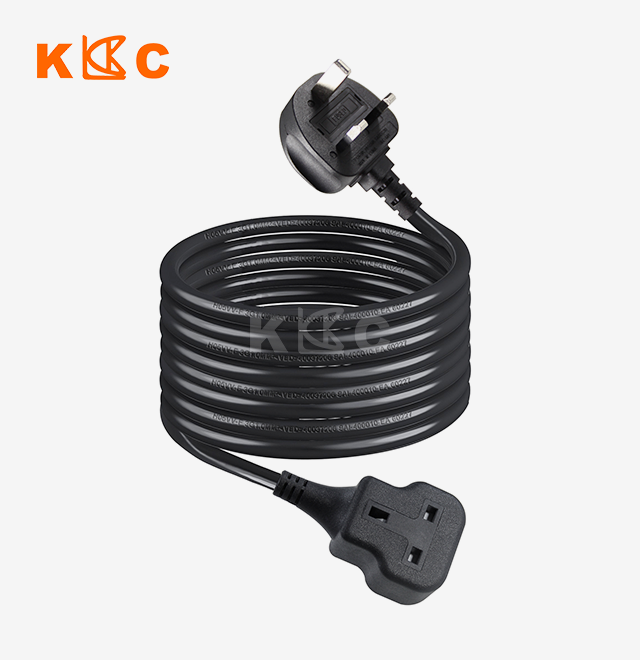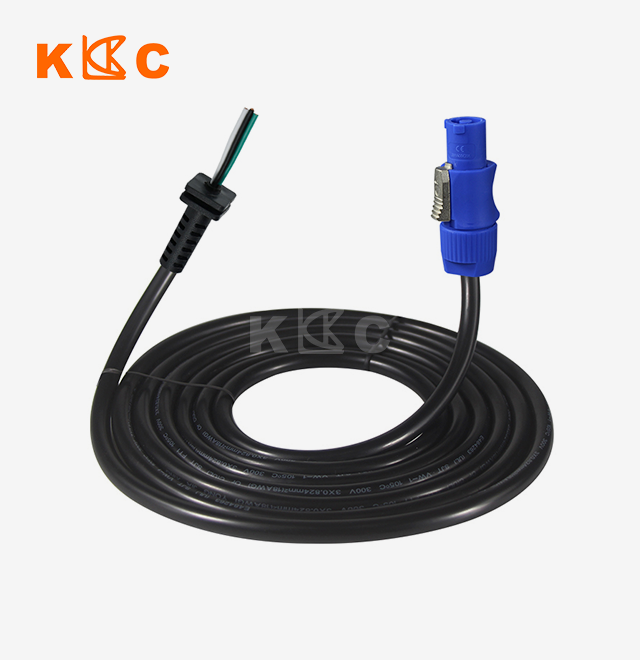

Replacement Netzkabel Schuko C13 for PCs and UPS Systems
An sudden power loss in your PC or UPS system could be caused by a bad power cable instead of the gear itself. By replacing your Netzkabel Schuko C13 cable, you can make sure that mission-critical equipment all over your building always has power. This European CEE 7/7 to IEC C13 power connection is VDE-certified and has a strong build with high-conductivity copper cores. It has been tested and shown to work well in a variety of working settings. Whether you're in charge of data centers, assembly lines, or professional computers, knowing the technical specs and best ways to buy these important parts will protect your infrastructure investment and cut down on costly downtime.
Understanding Netzkabel Schuko C13 – Technical Overview and Usage
Power cabling is an important part of a stable IT system, but many people who work in buying don't pay attention to the small technical differences that set standard solutions apart from better ones. The European power line with a CEE 7/7 plug termination and an IEC 60320 C13 connector is a common way to connect that is made to work with 230V electricity systems all over Europe.
Essential Design Features and Connection Architecture
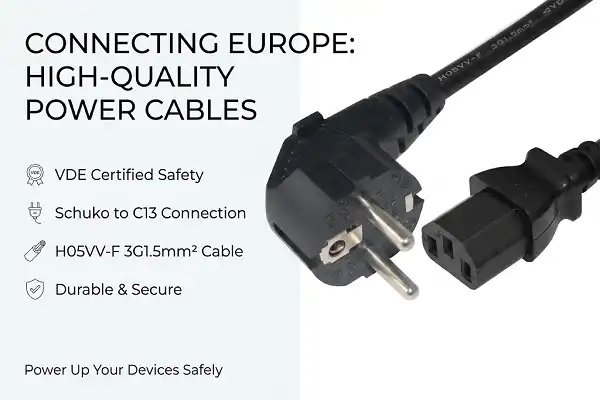
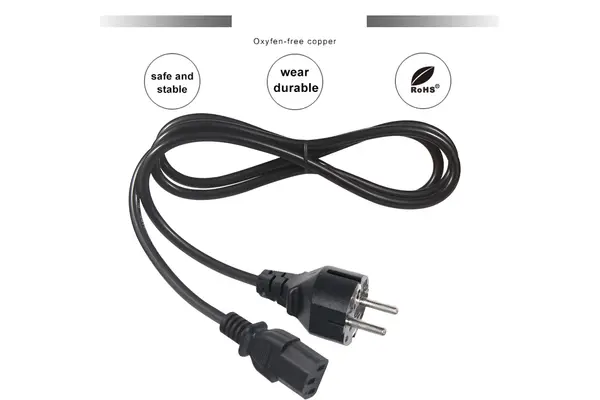
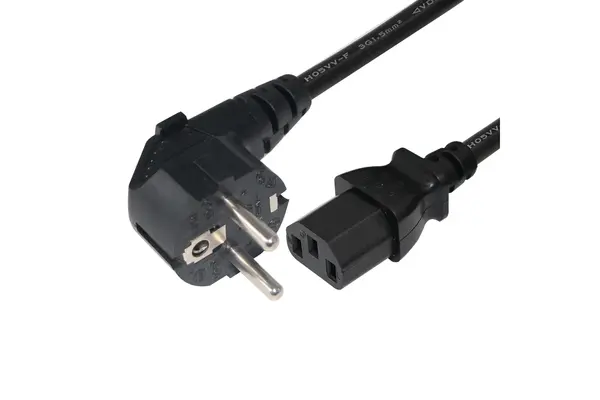
With this set of cables, you can connect European wall outlets to equipment inputs on computers, servers, monitors, and UPS systems. The Schuko plug has grounding clips that connect to the earth before the live wires meet. This keeps the plug from becoming electrically dangerous while it is being inserted. The body is precision-molded and covers contact pins that are rated for 10 amps at 250 volts. This means that it can handle the normal power needs of office and industrial settings.
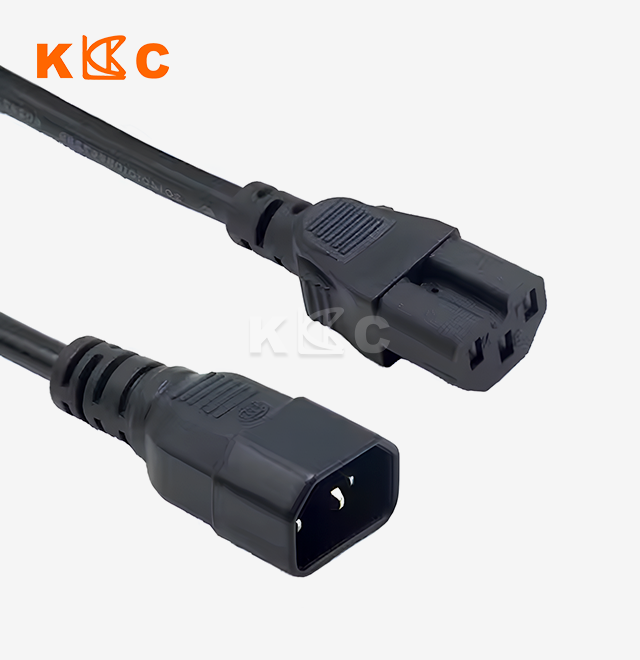
The end of the C13 connection is a female three-prong design that fits snugly into C14 equipment inlets. This standardized interface keeps devices from mating incorrectly with ones that aren't suitable while keeping a strong mechanical hold when the system is working normally. When a current flows continuously, internal contact springs keep a steady pressure on the outlet connections. This lowers resistance and heat production.
Key Technical Specifications for Procurement Decisions
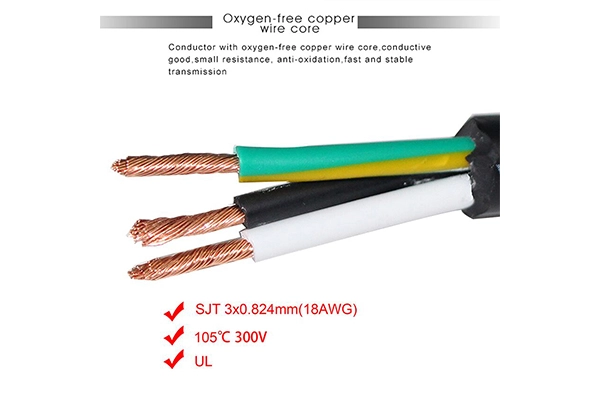
The choice of wire size has a direct effect on how well it works and what applications it can be used in. Cables with 0.75mm² conductors are used for basic desktop equipment that needs mild power, while cables with 1.0mm² conductors can handle higher current loads that are typical in server settings. 1.5mm² wires are good for heavy-duty uses because they keep voltage levels high over long cable runs and allow for continuous high-amperage operation.
Copper conductor material is better at carrying electricity than metal options. This choice of material lowers resistance losses during power transfer, which keeps heat from building up and wearing down insulation over time. High-purity copper cores keep working well even when the temperature changes, so they can be used reliably in both climate-controlled and natural settings.
The building of cables usually follows the H05VV-F standards, which say that the cord should be PVC-insulated and bendable enough for dry indoor uses. Other types of constructions are H05RR-F rubber versions for use in factories and LSZH (Low Smoke Zero Halogen) versions for places where fire safety rules require lower toxic fumes during burning events.
Certification Standards and Compliance Requirements
When you get a VDE license, it means that you've met the German electricity safety standards that are used across Europe. Under realistic working conditions, this testing procedure checks the mechanical longevity, insulation resistance, and dielectric strength. Products with the VDE mark go through regular workplace checks to make sure that the standard of production is the same from batch to batch.
When something has a CE mark on it, it means that it meets European safety, health, and environmental protection laws. This statement talks about the needs for electromagnetic compatibility, which stops radio frequency radiation that could damage sensitive electronics. EMC-compliant wires are made with features that reduce both conducted and emitted emissions while keeping them safe from outside electromagnetic disturbances.
Understanding these technical basics gives buying teams the power to choose the right cable designs for each task. By choosing the right components, you can avoid problems with compatibility and build a system that can support both current and future versions of equipment.
How to Choose the Right Netzkabel Schuko C13 for Your Business Needs?
To choose the right Netzkabel Schuko C13 cables strategically, you need to carefully look at the working factors and environmental conditions that are specific to your building. This method based on criteria matches technical requirements with real-world performance needs, making sure the best value throughout the duration of the product.
Application-Specific Requirements Analysis
Standard 0.75mm² wires that are 1.5 to 3 meters long usually work well in desktop computer settings. These setups allow enough current for computers that use 200 to 400 watts while reducing the problems that come with managing cables in office layouts. Color-coded versions make it easier to see which one you need when you're fixing or doing maintenance.
More robust standards are needed for server hardware to deal with issues like higher power use and thermal control. When equipment racks with many computers are used, they produce a lot of heat, so wires need to have higher temperature ratings to keep their insulation intact at 70°C. Flexible cable design can handle the tight bend radius that is common in high-density setups without putting too much stress on the internal conductors.
Cables with strain relief features that keep conductors from wearing out near termination points are good for UPS systems that protect important loads. For these systems to have a long working life, the equipment needs to be able to withstand being disconnected often for maintenance. Low resistance links are kept up by heavier wire gauges, which reduces the voltage drop between the UPS output and the covered equipment.
Material Quality and Construction Considerations
The quality of the conductor material has a direct effect on how reliable it is over time and how much it costs to own. When made to DIN norms, pure copper wires give reliable electrical performance for many years. This material doesn't oxidize as easily as copper-clad metal alternatives, so the wire will always have low contact resistance.
When choosing insulation materials, you need to think about how flexible, durable, and eco-friendly they are. Standard PVC formulas are very cost-effective and have good mechanical qualities, so they can be used for a wide range of tasks. Different types of TPE (Thermoplastic Elastomer) offer more flexibility, which is good for setups that need to be moved around a lot, like trade show equipment and mobile workspaces.
Specialized shielding materials are needed in industrial settings where chemicals, oils, or high temperatures are present. Cables with rubber jackets can handle rough situations and stay flexible in temperatures ranging from -40°C to +85°C. LSZH mixtures meet fire safety standards in protected areas, public buildings, and transportation hubs where toxic smoke presents a threat to life.
Cable Length Optimization and Bend Protection
By specifying the correct cable length, you can avoid having extra slack that could cause someone to trip or make cable handling more difficult. Add 15 to 20 percent to the real distance between the outlet and the equipment to allow for getting around obstacles and moving the equipment. The standard lengths are 0.5m, 1.0m, 1.5m, 2.0m, 3.0m, and 5.0m, which meet most installation situations.
Integrated bend protection (knickschutz) keeps cables from getting damaged by sharp turns that put stress on the wires near the plug and connection bodies. This feature comes in handy especially in mobile apps where wires are moved around and handled a lot. Molded strain relief boots spread bending forces over a bigger surface area, which keeps the integrity of the wire over thousands of connection cycles.
These selection factors set the rules for matching the specs of the cable to the needs of the business. Procurement pros choose solutions that give the best performance and value by regularly comparing technical factors to application needs.
Procurement Guide – Buying Netzkabel Schuko C13 Efficiently and Cost-Effectively
Strategic buying practices lower the cost of purchase while maintaining the quality of the product and the dependability of the supply chain. When buying teams know how the market works and what suppliers can do, they can negotiate better terms and find reliable sources for parts.
Certified Supplier Networks and OEM Partnership Opportunities
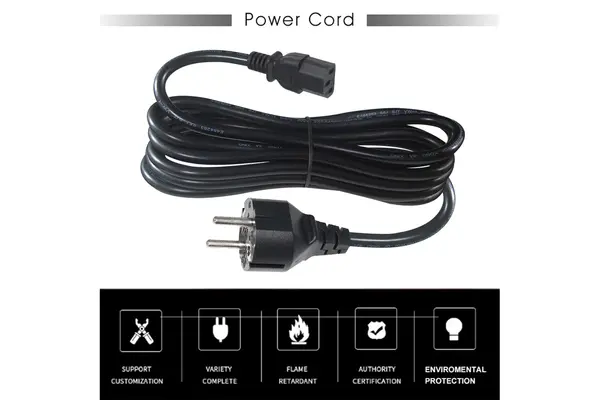
Working with well-known companies that offer full certifications for Netzkabel Schuko C13 makes it easier to check for compliance and lowers the risks of buying things. Suppliers who keep their VDE, CE, ETL, and UL approvals show that they are committed to high standards that are known all over the world. These licenses need to be renewed on a regular basis, which means that the plant has to keep getting inspected. This makes sure that the manufacturing process is always the same.
Customization options for OEMs add strategic value above and beyond what is offered in catalogs. Equipment makers and systems designers can strengthen their brand identity by printing their logos on the bodies of connectors. Customized labeling meets certain government rules or private asset tracking processes. Flexible package choices include stock coils that can be put together to make bigger units and retail-ready blister packs that meet the needs of the distribution channel.
When you work directly with a maker, you avoid the markups that come from middlemen and have access to technical knowledge during the development of specifications. Engineering support services look over the needs of the program, suggest the best settings, and give examples for tests to make sure they work. This collaborative method finds possible problems during the planning stages, instead of after the promise to make a lot of units.
Quality Tiers and Bulk Order Advantages
The quality of the materials has a direct effect on how long a product lasts and how much it costs to own. Basic materials that meet basic licensing standards are used in entry-level products, which are priced competitively. In non-critical situations, where replacements happen at the same time as device refresh rounds, these goods are used.
Premium-level goods are made with better materials and more advanced production techniques, which give them better performance. Increasing the quality of copper lowers electrical resistance, which increases the temperature ranges where it can be used. Better insulation materials and reinforced strain relief construction make the service life longer in tough situations, which makes up for higher starting costs by cutting down on the number of times it needs to be replaced.
Buying in bulk creates economies of scale that help both buyers and producers. Larger batch numbers make production more efficient, which means that prices per unit go down without lowering quality standards. Creating framework deals with chosen suppliers keeps prices stable across fiscal periods and ensures supply availability when demand changes.
Logistics Optimization and Supply Chain Reliability
Managing lead times means weighing the costs of keeping goods against the risk of running out of it. When suppliers offer sample shipping within 3–7 business days, it's easy to do quick validation testing before agreeing to large orders. Depending on the number of orders and the level of tailoring, bulk production times can run from 15 to 25 days. This means that you need to plan ahead to make sure that your schedules match up with the project schedules.
Minimum order number policies that are flexible can be used for a wide range of purchasing situations, from developing prototypes to full production. Just-in-time inventory strategies are made possible by suppliers who support small-batch replenishment. These strategies reduce the need for office room and the amount of capital that is held in stock. This flexibility is especially useful for goods whose specs change over time or whose demand patterns aren't clear.
International shipping factors affect how much it costs and how long it takes to get there. Logistics relationships that have been in place for a while make shipping plans and costs clear. Having the right export paperwork, like business bills, packing lists, and certificates of compliance, speeds up the customs clearance process and keeps projects from being held up.
With these buying strategies, businesses can get high-quality power cords at prices that are competitive, while also keeping their supply chains flexible so they can adapt to changing business needs.
Leading Brands and Certified Suppliers of Netzkabel Schuko C13
Reliability of Netzkabel Schuko C13 products and experiences with after-sales help are greatly affected by the image of the brand and the trustworthiness of the supplier. Looking at a manufacturer's past work can help you find partners whose quality standards and performance needs are in line with yours.
Established European Manufacturers
Over many years, German companies like Brennenstuhl have built a name for strict quality control and excellent engineering. These businesses keep complete testing centers that make sure products work properly electrically, last a long time mechanically, and are safe for the environment. The product lines include both consumer and professional types to meet a wide range of needs.
Another well-known European name, Hama, makes standard power cords for the IT and consumer electronics markets. Through their marketing networks, a wide range of products can be bought from approved dealers all over continental Europe. Quality that stays the same across all types of products helps people recognize and stick with a brand.
Kuncan Electronics has been making specialized electronics for 17 years and is now selling power cables in Europe. Our Dongguan factory can make a lot of things and can also be customized in a number of ways, so it can serve OEM partners and wholesalers around the world. A wide range of certifications, such as VDE, CE, ETL, SAA, BS/UKCA, FCC, and EMC, make it possible to sell products in all major economic regions.
Supplier Verification and Counterfeit Prevention
Authentic goods from approved dealers or direct maker ties make sure that the parts are real and meet the stated standards. Fake wires made without proper quality controls can be dangerous because they don't have enough insulation, their conductors are too small, or they are made of low-quality materials. These goods may have fake certification marks on them even though they haven't been tested or approved.
Verifying the certificate through the databases of certifying bodies proves that the product is real and that it has the latest approval status. VDE certificates have unique identification numbers that can be checked against government databases that can be accessed through online sites. Asking for copies of test results and plant inspection certificates adds to the evidence that supports purchasing choices.
Long-term ties with suppliers provide value beyond individual deals by ensuring consistent product quality and quick expert support. Long-term relationships make it easier to work together to solve problems with applications and make the buying process easier when you do it again. Reliable sellers keep enough goods on hand so that there are no supply problems when demand rises without warning.
When purchasing goods, these brand and seller factors help buyers find relationships that offer consistent quality, real certifications, and reliable support throughout the lifecycles of products.
Best Practices for Installation and Maintenance of Netzkabel Schuko C13
Cable service life can be extended with proper handling and regular repair, which also stops electrical problems that stop activities. Following set rules saves investments in infrastructure and keeps things running safely.
Safe Installation Procedures and Common Error Prevention
Before the first installation, make sure that the voltage levels of the cables and the specs of the electrical system are compatible. European lines made for 230V systems shouldn't be used with North American equipment that runs on 120V without the right transformers. Voltage numbers that don't match up can be dangerous and void device warranties.
Before connecting Netzkabel Schuko C13 cords to equipment, check them for damage that can be seen, such as cuts, abrasions, or connection bodies that aren't straight. Damage to the insulation makes it less safe, which can lead to shocks and even fires. Instead of trying to fix broken wires in the field, which rarely restores original safety gaps, replace them right away.
Fully insert plugs into outlets to make sure all contacts are engaged without pushing connections. Some entry makes the contact resistance higher, which creates heat that breaks down outlet sockets and plug contacts over time. When links are loose, power goes out and on at random, which can damage devices and cause data loss.
Preventive Maintenance and Inspection Protocols
Set up regular inspection times that work with the repair processes of the equipment and look at the cables for signs of wear. Check the strain relief areas close to the joints for cracks or splitting, which can show that there is a lot of mechanical stress. Check the whole length of the wire jacket for cuts, scrapes, or damage from being bent too much.
Keep the bend radius at the right level during installation and operation to keep the internal wire from getting damaged. When you bend wires sharply, they get stressed out and break, which raises the electrical resistance. For static installations, the maker will usually tell you that the minimum bend radius is eight times the cable diameter. For dynamic uses, they will tell you that it should be twelve times the diameter.
Clean the contacts of the connectors every so often to get rid of dust and rust that raises the resistance of the contacts. If you don't want to damage the metal, use the right electrical contact cleaner and soft brushes instead of rough materials. Before reconnecting, make sure that the connections are fully dry to avoid short circuits and corrosion.
Replacement Strategy and Infrastructure Evolution
Keep track of when the cables were installed and how they were serviced so that you can make choices about replacements based on data. Set replacement times based on how often the application needs them, with key equipment getting more attention than less important circuits. Failures that happen out of the blue during busy times can be avoided with proactive replacement.
Keep an eye on how technology standards and equipment needs change so that infrastructure can still work with new generations of equipment. New high-efficiency power sources may need higher inrush currents, which means that cable specs need to be changed. Plan to update your infrastructure by timing the replacement of cables with the upgrades to your equipment.
These installation and upkeep methods make sure that cables work well and last as long as possible, while also keeping the workplace safe and protecting people and equipment.
Conclusion
To choose and keep the right Netzkabel Schuko C13 power cords for PC and UPS uses, you have to balance technical requirements, quality concerns, and buying strategies. Knowing about the different kinds of connectors, conductor materials, and licensing standards helps you make choices that will help your infrastructure work reliably. Strategic buying from certified makers lets you get solutions that are both safe and effective at a low cost. Installing cables correctly and keeping them in good shape regularly can make them last longer and keep them from breaking down when businesses need to use them. When businesses spend money on good power connections, they build a solid IT system that will support long-term operational success.

FAQ
How do I verify cable compatibility with my specific UPS model?
Make sure that the type of input receptacle on the UPS fits the design of the C13 connection. Check the specs of the equipment to see how much current it draws, and make sure that the cable's ampacity number is 25% higher than its highest load. Check that the length of the cable fits the fitting plan without being too tight or bending too much. Standard C13 links can be used with most commercial UPS systems. However, high-capacity units may need C19 or fixed connections instead.
What certifications should I require when procuring cables for commercial installations?
If you get a VDE or UL approval, it means that the electrical safety tests met the standards for the European or North American market. The CE mark shows that the equipment is electromagnetically compatible, which keeps sensitive equipment from being harmed. RoHS approval makes sure that hazardous chemicals don't harm the earth. REACH compliance deals with the safety rules for chemicals sold in the European Union. Instead of depending only on marks printed on goods, ask for copies of the real test results.
Can I identify EMI filtering capabilities from external cable inspection?
EMI-filtered wires usually have ferrite cores that can be seen as round bumps close to the ends of the connectors. These parts stop high-frequency noise from traveling through power wires. The product specs should make it clear what the frequency response and EMI suppression properties are. Standard power cords that don't filter may work fine for equipment that isn't very sensitive, but filtered cables are better for precision tools because they stop interfering.
Partner with Kuncan Electronics for Superior Power Connectivity Solutions
Kuncan Electronics sells power lines that are VDE-certified and are made for harsh industrial settings where dependability can't be compromised. We've been making things for 17 years and have helped clients around the world who needed unique solutions that weren't in our store. As a reliable Netzkabel Schuko C13 provider, we offer OEM services that are flexible and can be tailored to your needs. These include custom branding, special packing, and changed specs. Before it is shipped, every wire goes through a full set of safety tests, such as Hi-Pot verification, strain release validation, and contact retention checks. Contact our expert team at rhea@szkuncan.net to talk about the needs of your unique application and get samples within a week for testing to make sure they work.
References
International Electrotechnical Commission. (2018). IEC 60320-1: Appliance Couplers for Household and Similar General Purposes - Part 1: General Requirements. Geneva: IEC Publications.
Verband der Elektrotechnik. (2020). VDE 0620-1: Plugs and Socket-Outlets for Household and Similar Purposes - Part 1: General Requirements. Berlin: VDE Verlag.
European Committee for Electrotechnical Standardization. (2019). EN 50525-2-11: Electric Cables - Low Voltage Energy Cables of Rated Voltages up to and Including 450/750 V. Brussels: CENELEC.
Underwriters Laboratories. (2021). UL 817: Standard for Safety Cord Sets and Power-Supply Cords. Northbrook: UL Standards.
Institute of Electrical and Electronics Engineers. (2017). IEEE 1100: Recommended Practice for Powering and Grounding Electronic Equipment. New York: IEEE Standards Association.
German Institute for Standardization. (2016). DIN VDE 0281-1: PVC Insulated Cables of Rated Voltages up to and Including 450/750 V - Part 1: General Requirements. Berlin: DIN Standards Committee.

USER EVALUATE
Here is the customer's evaluation of us