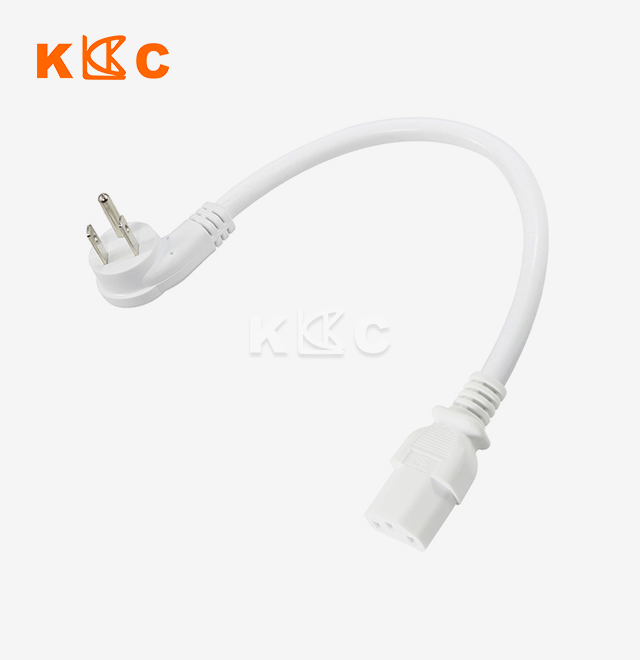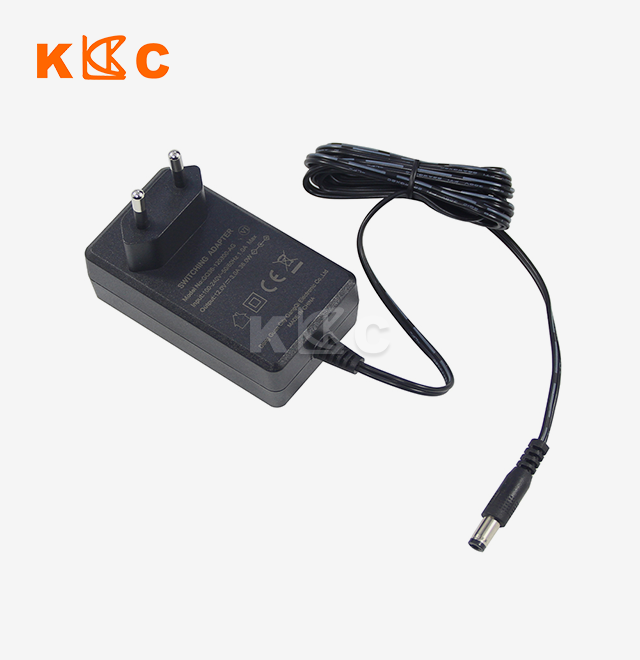

Schuko C5 Cable Buying Guide for European Devices
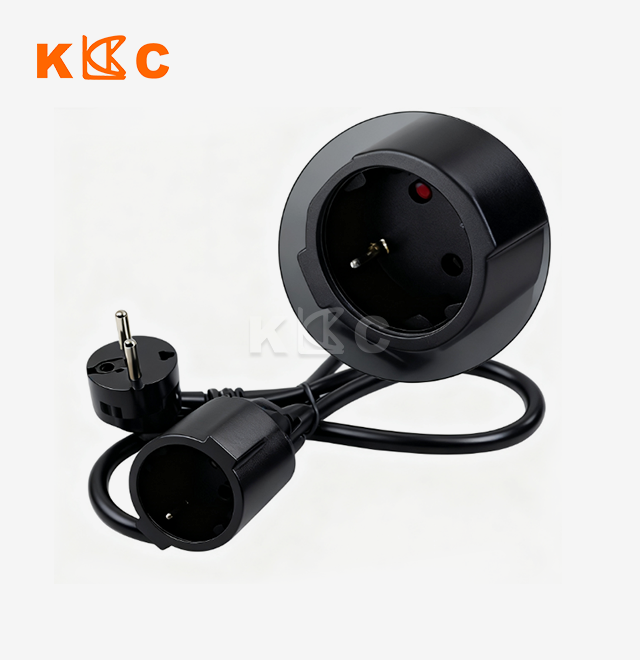
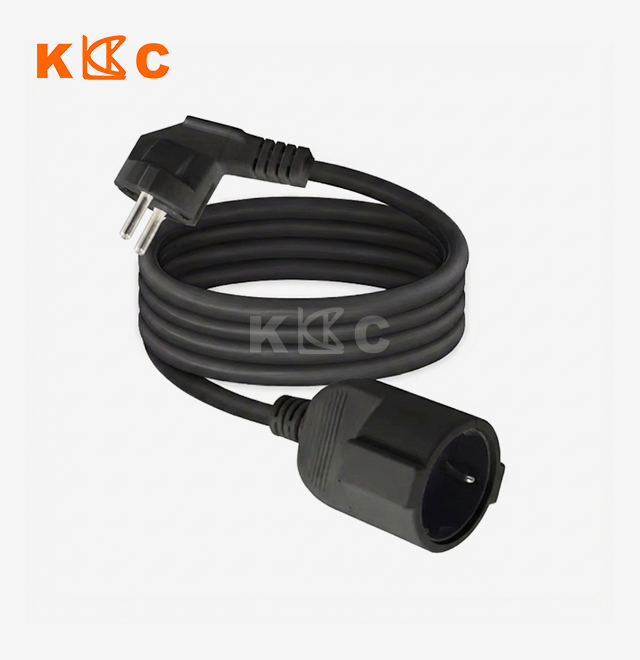
To get around in the European power line market, you need to know which goods work reliably in a wide range of demanding situations. The Schuko C5 cable, which has a unique CEE 7/7 plug and an IEC 60320 C5 connector, is now required all over Europe to power computers, projectors, medical tools, and portable gadgets. This cloverleaf-shaped connection protects against grounding and works with the 230V electricity standards used in most European countries. To choose the right power line, you have to look at its technical specs, the supplier's reputation, and the needs of your unique application. These things have a direct effect on the safety of your equipment and its ability to keep running.

Understanding Schuko C5 Cable – Specifications and Functionality
What Makes the C5 Connector Distinctive?
The "Mickey Mouse" or "cloverleaf" name for the IEC 60320 C5 connection comes from its unique three-circle shape, which makes it easy to spot. This arrangement has three pins: two power lines and an important ground link. The pins are set up so that they can't be accidentally inserted backwards. The ground pin is very important for getting rid of static electricity and keeping sensitive gadgets safe from changes in voltage. The Schuko C5 cable design puts safety first for Class I equipment that needs earth continuity, unlike the C7 design that is not grounded.
Technical Specifications That Matter
European Schuko C5 cables usually work at 2.5A/250V and have 0.75mm² conductors that combine the cable's flexibility with its ability to carry power. The H05VV-F wire standard is a standardized European requirement for high-quality PVC jacketing and insulation. Pure copper wires, not copper-clad metal, make sure that there is little voltage drop and stable temperature performance over long periods of time. Temperature rates usually work in places up to 70°C, but some higher-end models raise this limit for commercial use.
Safety Standards and Certifications
VDE approval means that the product has passed strict German testing procedures that check for electrical safety, resistance to insulation, and mechanical durability. If something has a CE mark, it means it meets the rules for the European Economic Area. If it has a RoHS or REACH mark, it means it doesn't contain any dangerous chemicals like lead or certain phthalates. These certificates aren't just pieces of paper; they're the results of thorough tests that check the dielectric strength, continuity of the conductors, and ground stability when there is a fault. Teams in charge of buying things should check these qualifications by looking at the paperwork, not just depending on what the suppliers say.
Comparing Schuko C5 Cable with Other Power Cables
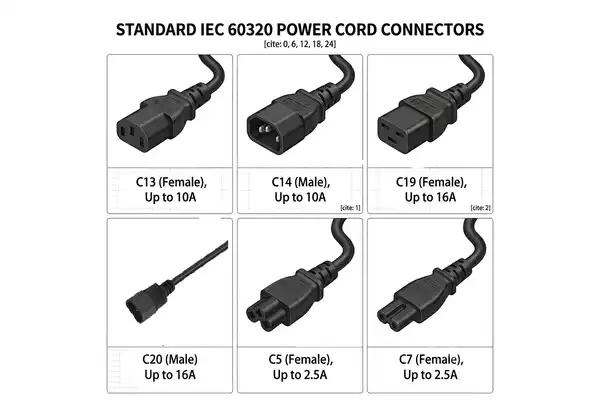
C5 vs. C7: Ground Protection Differences
The main difference between C5 and C7 connections is their ability to link to a ground. C7 connectors only have two pins, so they can be used with double-insulated devices that don't need to connect to the ground, like phone chargers and small machines. Schuko C5 cables are necessary for connecting equipment with metal parts that are open to the air or sensitive electrical circuits that can be affected by electromagnetic interference. In medical diagnostic equipment, lab tools, and professional recording equipment, grounded connections are usually required. This means that C5 specs can't be changed in these settings.
C5 vs. C13: Power Capacity Considerations
Higher current ratings—usually 10A or 15A—make C13 connectors common for desktop computers, servers, and devices that need a lot of power. The bigger size allows for heavier gauge wires that are needed for long-term high-amperage transportation. Schuko C5 cables are used with portable devices that need small sizes and low power levels to meet movement needs. Which of these standards to use relies on how much current the equipment needs. Manufacturers usually say this in the device's documentation or on the label with the number.
Material Quality Indicators
Premium cables have metal contacts that are tin-plated or nickel-plated so they don't rust and keep their low contact resistance even after thousands of insertion cycles. Molded strain relief, in which the cable jacket and connection body are one piece, keeps wires from wearing out at stress points. Poorer goods use twisted or glued parts that come apart when bent over and over again. The material for the jacket should be flexible without being too stiff. This means it has the right amount of plasticizers that won't move around or disappear over time.
The quality of the cable structure can be judged by feeling it and looking at it. Precision in production is shown by a jacket thickness that stays the same, molding that is smooth and doesn't have any flash or gaps, and strain relief angles that are just right. These physical traits are directly linked to how well electricity works and how long it lasts in harsh industrial settings.
Procurement Considerations for Schuko C5 Cables in Europe
Evaluating Supplier Credentials
Direct ties with manufacturers have benefits that networks of distributors can't match. Factory partners help engineers with unique specs, clear production schedules, and controlled processes that ensure quality consistency. Steps in the verification process include asking for certification paperwork, looking over measurements for output capacity, and checking quality control procedures. Suppliers who keep their ISO 9001 license show that they are committed to quality control that goes beyond checking each product individually.
Bulk Purchasing Strategies
Volume agreements let you get better prices and make sure you always have enough supplies for your ongoing production needs. Minimum order amounts vary a lot. Some makers can work with small runs of 100 units, while others need thousands for the best price. Payment terms, guarantee terms, and policies for replacing defects should all be carefully negotiated when a new provider is brought on board. Companies that are in charge of many product lines can save money by buying power cords from one maker that offers a range of connector setups while still meeting the same quality standards.
Customization Opportunities
Through custom jacket colors, printed specs, and labeled packages, OEM and private-label agreements make it possible for brands to stand out. Changes to the technical side could include specific length needs, thicker wires for certain uses, or different strain relief designs that can fit different device shapes. Kuncan Electronics is a great example of this because they offer lengths from 1m to 3m and have production wait times of 15–25 days, which is a good mix between customization and speedy delivery.
Logistics planning for Schuko C5 cable includes choosing the best shipping way, managing wait times, and making a plan for your goods. Samples can be sent by air freight within 3–7 days, which allows for quick development and testing. Ocean shipping lowers the cost per unit for large sales, but it requires more time to plan. More and more, rail choices offer middle-ground solutions for European transportation networks that value both cost-effectiveness and sustainability.
Advantages and Applications of Schuko C5 Cables in B2B Environments
Industry-Specific Applications
In business settings, power delivery must be stable for a wide range of tools. These are the main benefits of this wire configuration:
- Information Technology Infrastructure: Schuko C5 cables provide stable grounded links that are needed by laptop power sources, portable monitors, and network switches. The small connector shape fits dense rack setups and mobile computers without taking up too much space. Businesses that are in charge of hundreds of devices can benefit from standard cable stocks that make buying cables easier and lower the cost of upkeep.
- Medical and Laboratory Equipment: Power lines for diagnostic devices, patient monitors, and lab analyzers must meet strict leakage current standards. When used in measurement applications, grounded Schuko C5 cable links keep signals intact and protect sensitive electronics from electrostatic discharge. In hospital settings, sterilization compatibility is very important, so materials must be able to handle repeated chemical contact without breaking down.
- Audio-Visual Systems: C5 connectors are used in portable projectors, professional cameras, and show gear because they take up little room and provide strong ground continuity. Touring production companies and business event teams like how the connector stays connected so that it doesn't get disconnected by chance during important shows or speeches.
Long-Term Cost Effectiveness
Instead of being costs that need to be cut, premium wires are investments in durability. Failures during important activities cost a lot more than the original savings from budget goods. IT system delays stop business processes, medical equipment breakdowns stop care for patients, and AV equipment fails hurt professionals' reputations. Quality wires from well-known brands lower the total cost of ownership by lasting longer, needing less upkeep, and needing to be replaced less often.
Safety and Maintenance Best Practices
Visual checks done on a regular basis find possible problems before they happen. Look for damage to the jacket, loose connectors, or staining that could mean heat stress. Instead of putting tools or people's safety at risk, replace wires that are clearly worn. When you store cables properly, they don't have to bend more than they need to. Avoid tight coils that put stress on the wires, and keep cables away from sharp edges or chemicals.

Making an Informed Decision: Choosing the Right Schuko C5 Cable
Critical Selection Criteria
Reviewing the device paperwork is the first step in matching Schuko C5 cable specs to equipment needs. Check the voltage and current limits and make sure there are enough safety gaps above the loads that will be used continuously. Material choice is affected by the environment. For example, chemical-resistant jacketing may be needed in a lab, while UV-stable chemicals and moisture protection are needed for outdoor uses.
Supplier Evaluation Framework
To make supply lines more resilient, you need to look at more than just unit prices when evaluating suppliers. Manufacturing capacity shows how well a company can meet growing needs. Quality management systems show that you are dedicated to producing regular results. Whether sellers are transactional vendors or strategic partners who help optimize products depends on how well they can provide technical support.
Certification Verification Process
Authentication steps keep fake or misleading goods from getting into supply chains. Ask for original certification papers instead of photocopies, and use official records to make sure the granting authority is real. Shipments should come with proof that certain units went through the required quality checks, which is called batch testing paperwork. Instead of only using data from the provider, random sampling done on a regular basis by independent labs makes sure that ongoing compliance is being met.
Streamlined Procurement Checklist
Structured review methods speed up the decision-making process without sacrificing accuracy. Write down all of the technical requirements, such as electrical specs, physical measurements, the need for certification, and estimated quantities. Get detailed quotes from approved makers and compare the total landed costs, not just the unit prices. Check the quality of samples by testing them yourself before you decide to buy a lot of them. Set up clear communication rules for managing orders, dealing with quality problems, and working on continuous growth. Teams in charge of buying things that have to balance cost, quality, and dependability do better when they work together with suppliers on a regular basis instead of buying things whenever they can. Long-term relationships allow people to work together to solve problems and keep getting better, which is good for everyone.
Conclusion
Finding the right European power cords means finding a balance between technical specs, the supplier's skills, and the needs of the application. The grounded design, small size, and wide range of flexibility of the Schuko C5 cable make it important for many B2B uses, including IT infrastructure, medical equipment, and professional audiovisual systems. A good procurement strategy puts an emphasis on certified quality, relationships with manufacturers, and the ability to make changes that meet practical needs. Kuncan Electronics has been making goods for 17 years and their VDE-certified products are a great example of the qualities that make a seller successful in the long term in competitive markets.
FAQ
What does the C5 connector look like?
The C5 connection has three round holes grouped in the shape of a Mickey Mouse or cloverleaf. This unique shape makes sure that the chip is inserted correctly and fits two power pins and one important ground link. The uniform shape makes it easy to find and keeps you from getting confused with other connection types that look the same.
Is a Schuko C5 cable grounded?
Yes, real Schuko C5 cables have three pins that provide both power and ground contact. The ground pin is directly connected to the frame of the equipment. It gets rid of static electricity and protects against faults. This ability to ground sets C5 plugs apart from others like C7 that are not grounded, and it makes them necessary for Class I equipment that needs to link to the earth.
What is the difference between C5 and C6 power cable?
C5 is the male connector that is placed on a wire, and C6 is the female inlet that is built into the body of the equipment. C5 inlets are already built into devices, so procurement requirements should use them when ordering wires. This complementary design makes sure that the parts fit together correctly and that the electricity stays flowing along the power line.
Partner with Kuncan Electronics for Certified European Power Solutions
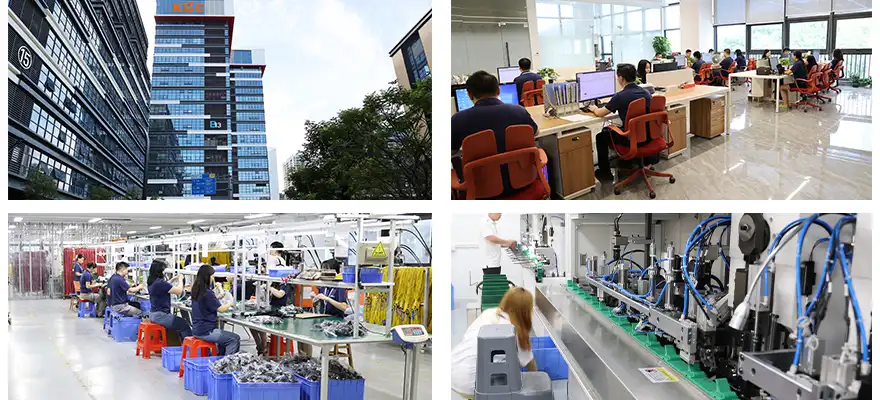
Kuncan Electronics ships Schuko C5 cable options across Europe that are VDE-certified and designed for tough B2B uses. Because we make things in-house, we don't have to pay for middlemen, and we keep quality high by checking everything electrically. As a Schuko C5 cable manufacturer with 17 years of experience, we can make any changes you need, such as adjusting the length, matching the jacket color, and creating private-label packing that fits your brand's needs. Production lead times of 15 to 25 days support flexible inventory strategies, and our Dongguan plant offers a range of shipping choices to keep logistics costs low. Get in touch with our technical team at rhea@szkuncan.net to talk about your unique needs and ask for samples that show how committed we are to making things precisely.
References
International Electrotechnical Commission. (2018). IEC 60320-1: Appliance Couplers for Household and Similar General Purposes - Part 1: General Requirements. Geneva: IEC Publications.
German Commission for Electrical, Electronic & Information Technologies. (2020). VDE Testing and Certification Standards for Power Cables and Connectors. Frankfurt: VDE Verlag.
European Committee for Standardization. (2019). EN 50075: Power Cables with Extruded Insulation and Their Accessories for Rated Voltages up to 450/750 V. Brussels: CEN Publications.
Johnson, M. & Williams, R. (2021). Industrial Cable Selection: Engineering Guidelines for Commercial Applications. Oxford: Technical Publishing International.
Schmidt, H. (2022). Electrical Safety in Medical Device Manufacturing: Compliance Requirements for European Markets. Berlin: MedTech Standards Institute.
Anderson, P. (2020). Supply Chain Optimization for Electronic Components: Procurement Strategies in Global Manufacturing. London: Business Technology Press.

USER EVALUATE
Here is the customer's evaluation of us
_1781165562395.webp)
_1779784337428.webp)