
When Should You Use a C19 to NEMA 5-15P Cable?
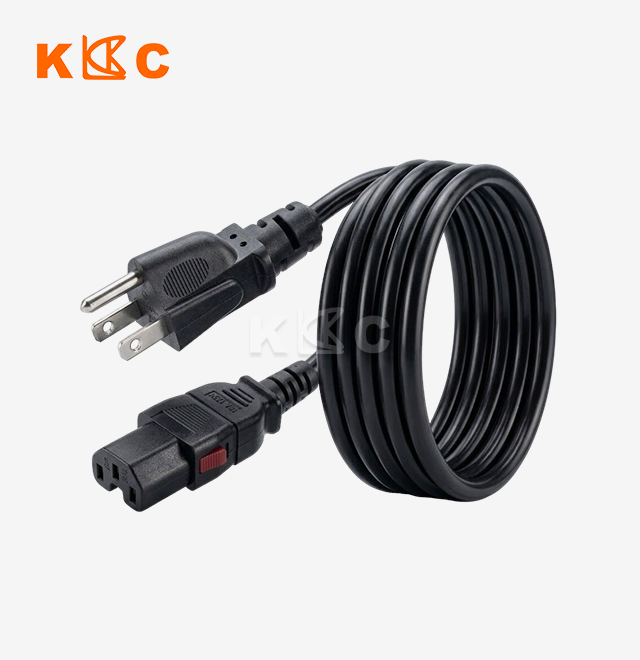
A C19 to NEMA 5-15P cable is what you need to connect high-power IT devices to standard 15-amp North American outlets. This includes blade servers, business UPS systems, and power distribution units. This power cord is designed for situations where enterprise-level gear needs safe, reliable connections, like when setting up equipment, moving it quickly, or trying it in a temporary space. The 14AWG copper conductors in the cable can handle steady loads of up to 15 amps. This makes it essential for data centers, server rooms, and IT labs that need freedom without sacrificing safety or UL and CSA compliance.
Understanding the C19 to NEMA 5-15P Cable: What It Is and How It Works?
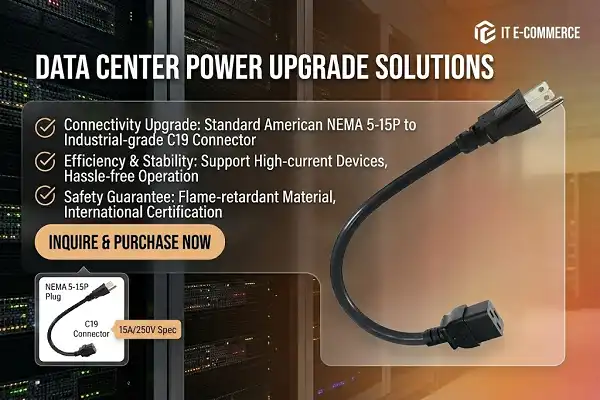
In professional IT settings, it's important to know the different types of connectors and how they work electrically in order to manage power connections. The power line unit we're talking about connects to two different types of outlets: the IEC 60320 C19 inlet that is found on high-capacity equipment and the common NEMA 5-15P plug that fits 15-amp wall outlets in the US and Canada. Knowing this link helps procurement teams make smart choices that balance the need for new tools with the electrical infrastructure that is already in place.
Defining the C19 and NEMA 5-15P Connectors
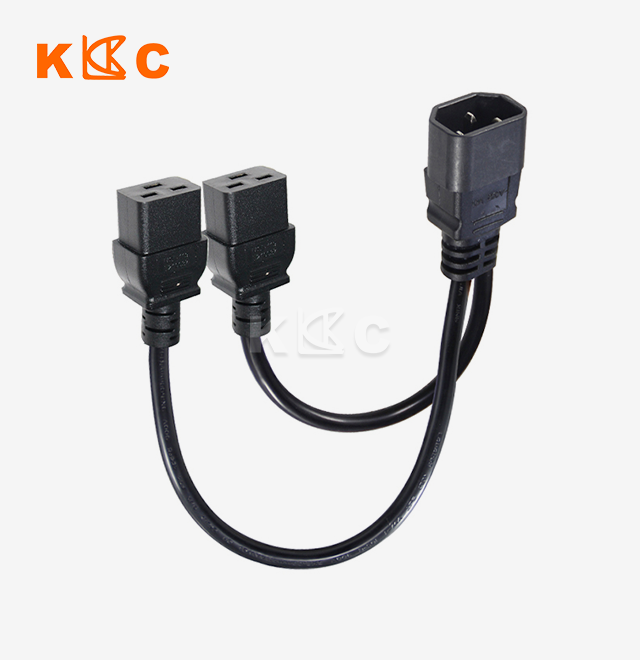
The IEC 60320 C19 connection has three contact points and a sturdy rectangular shape. It was originally designed to handle up to 20 amps in industrial settings. Some devices that need a lot of power, like blade server racks, enterprise-class uninterruptible power sources, and high-density network switches, have C19 inlets. It has a bigger size than a regular C13 connection, which gives it more contact surface area and better thermal control for long periods of high-current use. The three-prong NEMA 5-15P plug is the standard and is known to anyone who has put electronics into North American outlets. This polarized, grounded plug has a round grounding pin and two flat, parallel blades, one slightly bigger than the other. This keeps the plug from being put in incorrectly and makes sure the phases are lined up correctly.
Electrical Characteristics and Current Rating
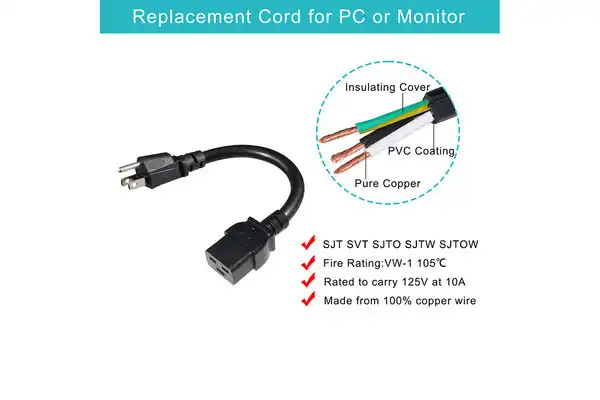
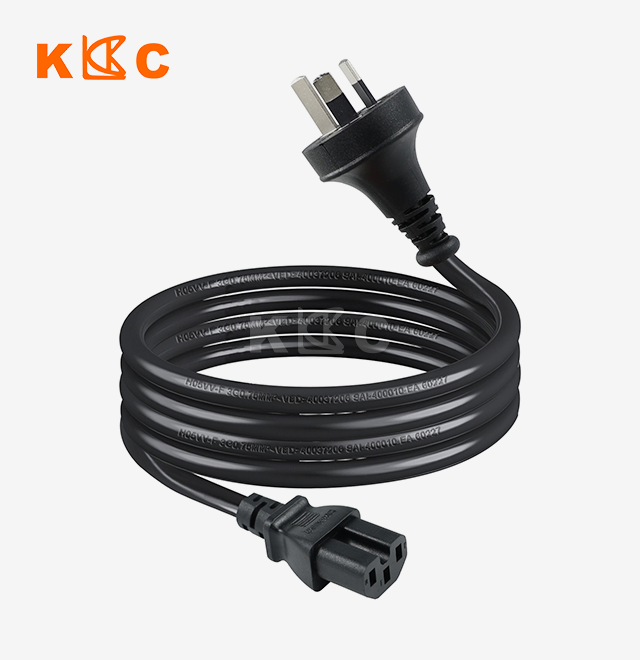
The NEMA 5-15P plug, which can handle 15 amps of 125 volt alternating current, is the weak link in the power chain that controls how well the system works. It is thought that the C19 connector could handle 20-amp loads, but the plug standard means that this cable arrangement can only safely handle 15 amps of constant operation. Kuncan Electronics' wires have 14AWG pure copper lines with SJT or SJTW jackets. This gives them enough cross-sectional area to handle 15 amps without too much voltage drop or heat buildup. Best practices in the industry say to keep running at 80% of maximum capacity, which is about 12 amps constant, to keep the safety margins at their best during long operations. The three-wire setup has a hot conductor, a neutral conductor, and a ground conductor. The ground line is necessary for chassis bonding, which keeps sensitive equipment and people safe from fault conditions.
How the Cable Transmits Power Safely?
For power transfer to be safe, many design aspects must work together. The copper stranding in the wire makes it flexible without affecting its ability to conduct electricity. The PVC jacket, which can withstand temperatures between 60°C and 105°C based on the grade, protects it from the outside world. Each end has plastic strain relief boots that keep the conductors from coming apart when the cable bends or moves. This is very important in settings where equipment is moved around a lot. Every unit is put through dielectric withstand testing at voltages higher than 1500 volts. This checks the stability of the insulation between the wires and the outer jacket. Continuity checking makes sure that the connections between NEMA pins and C19 contacts are correct, which stops dangerous reverse-polarity situations. Our production process is very strict and follows UL 817 guidelines. This makes sure that each connection point keeps the right level of contact resistance even when temperatures change and the product is put under a lot of stress.
Comparing C19 to NEMA 5-15P with Alternative Power Cables
To pick the right power cable, you need to know how the different designs meet different operating needs. There are a lot of choices on the market that look similar but do different things. If you make the wrong choice, your tools might not work with it, there could be safety risks, or your business might not run as efficiently. Let's look at how this C19 to NEMA 5-15P cable stacks up against other popular options so you can match the specs to the needs of your system.
C13 to NEMA 5-15P vs C19 to NEMA 5-15P
Most of the time, people get the C13 and C19 connections mixed up when they are compared for C19 to NEMA 5-15P. Most desktop computers, monitors, and basic network equipment have C13 inlets. These are smaller and can handle 10 to 15 amps, depending on the region. A C13 to NEMA 5-15P cable works well with low-power devices like servers, laptop computers, and network switches that are not connected to a network. The C19 type is for equipment that needs more power, like multi-blade chassis, high-capacity battery backup units, or PDUs with a lot of users. These devices usually draw 10 to 15 amps constantly. It's easy to see the difference in size: C19 connectors are noticeably bigger, which means they have more contact area and can get rid of heat more efficiently during prolonged high-current operation. Using a C13 cable in a C19 inlet won't work physically, and using larger C19 cables for C13 equipment costs more than it's worth and doesn't improve performance.
C19 to NEMA 5-20P Considerations
The type of outlet is another important similarity. The NEMA 5-20P plug has a neutral blade in the shape of a T and is made for 20-amp circuits, which are popular in businesses and data centers. When both the branch circuit and the equipment can handle 20 amps, a wire that ends with NEMA 5-20P to C19 is the right pair. This setup gets rid of the 15-amp limit that the 5-15P plug puts on the connection, so the full 20-amp power of the C19 socket can be used. If your building's electrical system has 20-amp outlets and your equipment needs more than 15 amps of power, you should choose the 5-20P version. However, many staging areas, offices, and temporary spaces only have normal 15-amp plugs. This means that the C19 to NEMA 5-15P assembly is necessary for setting up equipment, testing it, and doing emergency work in places that aren't dedicated server environments.
Durability and Environmental Factors
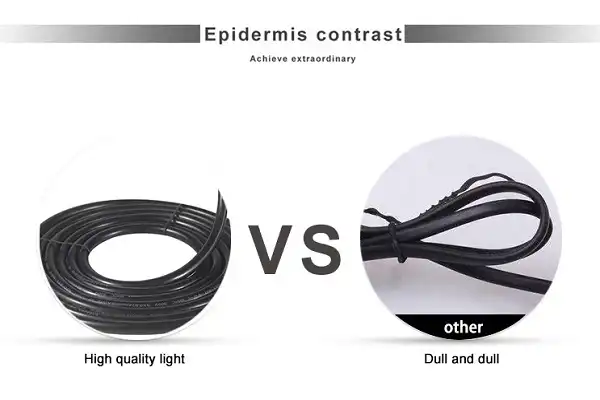
The type of cable jacket you choose has a big effect on how long it lasts in different working conditions. Our basic SJT jacket works well in climate-controlled places like offices and regular data centers. For tools that will be used in harsher environments, like warehouses, outdoor shelters, or factories, the SJTW or SJTOW types are better at resisting water, oil, and wear. The "O" specification adds oil resistance for places where lubricants or coolants are used. The "W" specification adds weather resistance, which protects against changes in humidity and temperature. Temperature values from 60°C to 105°C cover a range of placement situations, from normal room temperatures to hot exhaust zones for equipment. At both ends of our cables, there is strain relief molding that is designed to handle pull forces greater than 35 pounds without the conductors separating. This standard is checked on every production batch to make sure that the mechanical longevity is always the same.
When and Why to Choose a C19 to NEMA 5-15P Cable: Decision Support for Procurement?
When choosing the right power connection, you need to look at more than just how well the connectors work together. The best choice depends on the specs of your tools, the working conditions, and your safety needs. We've worked with procurement teams in a wide range of businesses, and these choice factors always lead to successful deployments.
Equipment Staging and Configuration Scenarios
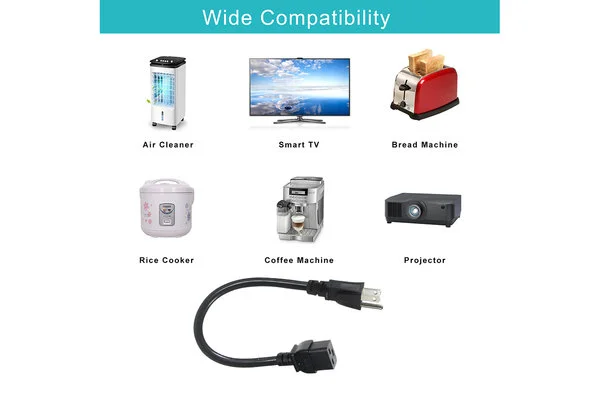
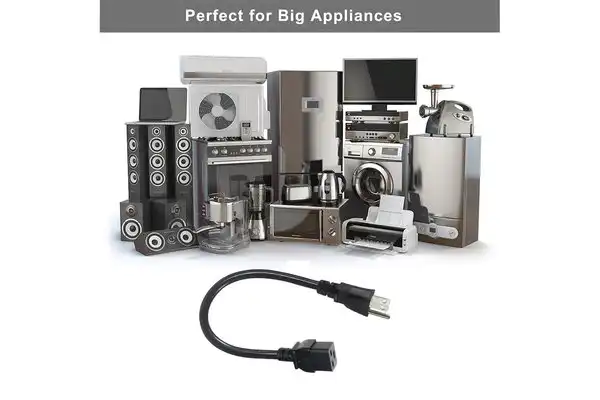
Most data center equipment comes with C19 or C20 power plugs that are made for dedicated 208V lines or high-capacity PDUs. But before installing a rack, you often need to turn on and set up computers, storage arrays, or network gear in office rooms or staging areas. It is possible for IT teams to use this C19 to NEMA 5-15P cable to connect Dell PowerEdge servers, HP ProLiant systems, or Cisco UCS chassis to regular office plugs for imaging, software changes, and burn-in tests. Because it is flexible, it doesn't need any special electrical infrastructure to do tasks before release. Similar needs are created when equipment needs to be moved temporarily for building repair, emergency backup operations, or disaster recovery. When the main power in a data center needs to be fixed or when moving important systems to temporary locations, this line lets you keep running by using normal outlets while staying within safe 15-amp limits.
UPS Testing and Maintenance Requirements
A lot of enterprise UPS systems have C20 inlets, which are the male version of C19 and are used to connect power. Technicians need to use these units on test benches or in repair areas that aren't near where they will be installed in order to make sure they work properly and to test the battery's life. When the UPS load stays below 15 amps, the wire lets testing and diagnosis be done safely. This is especially helpful for smaller UPS units with 1500VA to 2000VA ratings, which can run at less than 15 amps even when they're fully loaded. When techs can plug things into regular outlets instead of having to set up special high-capacity circuits in maintenance areas, it's much easier to do maintenance tasks that need to check for longer runtime or load-bank testing.
Safety Certifications and Compliance Factors
Professional buying of C19 to NEMA 5-15P needs safety qualifications that have been checked. Our wires have UL and cUL certifications, which show that they meet strict safety standards in the US and Canada for design, materials, and performance. CSA certification gives Canadian sites extra peace of mind, and RoHS and REACH compliance shows that you care about the environment by limiting dangerous chemicals. These approvals aren't just marketing gimmicks; they're proof from a third party that wires will work safely under certain conditions and won't add to fire risks or electrical problems. When reviewing sources, making sure that the certification marks are real and that they are willing to provide proof shows that the manufacturing is honest. We keep complete test records and certification papers for all of our product lines. Procurement teams can use these to do supplier audits or compliance checks.
Cord Length and Installation Planning
The right choice of length strikes a mix between freedom, electrical performance, and safety on the job. Too long of a wire makes things more difficult to find, makes it more likely that someone will trip, and can slightly lower the power sent to equipment through conductor resistance. If the cord isn't long enough, it puts stress on the connections or needs extra cords, which add more places where things can go wrong. We can make lengths that are exactly the right length for your placement, ranging from 3 feet to 25 feet. Shorter versions, 3 and 6 feet long, work well for equipment that is close to outlets or in racks with a lot of other equipment, where cable handling needs very little extra space. Longer choices, between 10 and 25 feet, can reach equipment that is placed across rooms, in test benches, or in temporary setups that need a longer reach. For equipment that is sensitive to voltage, shorter cables reduce voltage drop. For example, a 3-foot 14AWG wire loses almost no voltage at 15 amps, while a 25-foot run might see a 1-2 volt drop under full load, which is still well within safe limits for 125-volt nominal circuits.
The Procurement Landscape: Where and How to Source Quality Power Cables?
Finding solid power cords is more complicated than just finding connectors that work with them. You also have to look at how trustworthy the maker is, how stable the supply chain is, and the total cost of ownership. We've seen problems that a lot of people have with buying things and come up with solutions that meet the real needs of building managers and IT infrastructure teams.
Evaluating Manufacturer Credentials
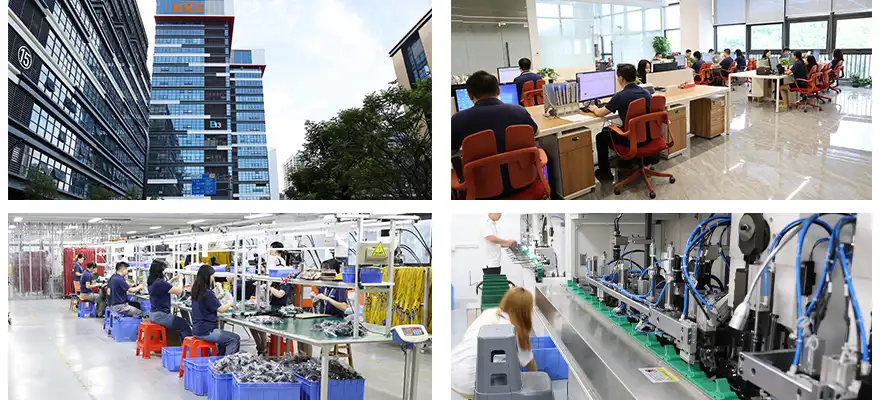
Established makers show their dedication to quality by providing qualifications that can be checked and being open about how they run their businesses. Companies like Kuncan Electronics, which has been making electronics for 17 years and is an Alibaba Verified Supplier, offer confidence through their track record instead of just making promises. Look for makers whose factories are ISO-certified and have quality control systems that cover testing of raw materials, testing while they're being made, and validating the finished product. Over 300 skilled workers at our plant use advanced production tools while following strict process controls. This makes sure that all production runs are the same. Manufacturing openness means being ready to let inspectors look around the plant, give full specification sheets, and test samples before placing large orders. This level of openness is very different from sellers who sell generic goods without any technology help or proof of where the goods came from.
Customization and Branding Capabilities
Standard goods don't always meet all of your business needs perfectly. Our OEM and ODM services are complete, and we even offer color-coded jackets in red, blue, yellow, and black. These are very useful for identifying A/B power feeds in multiple power designs. Custom marking services let you tag cables with asset numbers, circuit names, or safety warnings. This makes installation more accurate and troubleshooting easier. When systems installers and equipment makers bundle wires with goods, logo molding and custom packages make the brand look better. Wire gauge customization can be done to meet specific needs. For example, 12AWG heavy-duty versions are available for extreme sturdiness, and 16AWG economy versions are available when room is limited or lighter loads are acceptable. With these customization options, generic connection solutions can be turned into custom ones that work well with business processes and brand standards.
Bulk Purchasing and Lead Time Management
Supply security and inventory costs must be balanced for buying to work well. We allow flexible order quantities without having strict minimum order quantities. This lets you make the right-sized purchases at first and ensures that you always have enough supplies on hand. Delivering samples within 3–7 business days lets you test the technical details before committing to bigger sales. Depending on the size of the order and the level of customization needed, standard production wait times range from 15 to 25 days. For urgent needs, there are choices for faster production. Because different projects and groups work at different sizes, bulk pricing structures keep prices fair for smaller orders while rewarding promises to buy in bulk. Strategic planning for buying things, like spreading out orders and keeping a small backup stock, keeps supplies from going down and keeps money from getting stuck in too much cable inventory. Our established source relationships and wide range of raw materials make us less vulnerable to shortages of parts that can slow down production and throw off your project schedules.
Best Practices for Deployment and Ongoing Cable Management
When C19 to NEMA 5-15P cables are installed and maintained correctly, they last longer and don't break or cause damage to other equipment. We've put together useful tips based on real-world experience and the best technical practices to help your team get the most out of their cable purchases.
Installation Best Practices and Common Mistakes
Before connecting, make sure the work is done correctly by looking for damage to the jacket, bent pins, or dirt on the junction contacts. Check the circuit breaker and make sure that no other high-power devices are sharing the outlet to make sure it is actually rated for 15 amps. Fully put the NEMA plug into the outlet until it is flush with the wall plate. Only partially inserting the plug increases the risk of contact resistance and heating. Also, make sure the C19 connector is firmly seated into the equipment outlet until you feel positive engagement. Loose connections cause arcing and speed up the wear and tear on the contacts. Do not run wires along sharp edges, through door jambs, or under equipment wheels, as this can cause mechanical damage that can weaken the insulation. When running multiple cables together, don't bundle them up too tightly, which traps heat. Instead, let air flow around the cables that are holding heavy loads. Don't get around the grounding pin by using adapters that aren't grounded or outlets that are broken; the ground link is necessary to protect gadgets from faults and static electricity that can damage them.
Compatibility Verification with UPS and PDU Systems
Before putting cables into work settings, they should be tested for compatibility under real-world load conditions. Connect the cable to a load that is similar to the one on your UPS or PDU. Then, watch the operation for at least an hour while recording the voltage at the equipment's input and the temperature of the cable as it runs. The wire should stay cool to the touch; if it gets warm, it could mean that it is too small or there are connection problems that need to be looked into. Under full load, the voltage drop between the wall outlet and the equipment port should stay below 3%. A drop of more than this percentage could mean that there are problems with the connection or that the conductors are not the right size. Before turning on equipment that uses redundant power, make sure that the color-coded wires correctly connect to the A-side and B-side power lines. Using red, blue, yellow, and black jackets as part of our color-coding system gives you clear confirmation that stops cross-connection mistakes during installation and upkeep. Using diagrams with wire colors to record your power layout will help you set a standard for your whole infrastructure.
Maintenance Routines and Replacement Guidelines
Set up inspection plans that work for your environment. For example, most climate-controlled buildings should have inspections every three months, while harsher environments should have inspections every month. During checks, look at the jackets of the cables for cuts, scrapes, or deformations that could mean they are physically damaged. Check both ends of the connection for burn marks, bent pins, or changes in color that could mean the device is too hot. Check that the strain relief boots are still attached and properly placed. Boots that are split show that the cable has been flexed or pulled too much, which could have damaged the internal conductors. Using a plug-in tester, check outlet sockets for proper grounding and check contact tightness to make sure plug blades have a good grip. If the jackets, connectors, or strain relief are damaged, or if the equipment has sporadic power problems that could mean there are connection problems, you should replace the wires right away. After five to seven years of constant use, even wires that aren't broken should be replaced because the insulation and conductor qualities slowly lose their usefulness due to thermal cycling and oxidation. By doing these preventative maintenance tasks, you can keep the safety gaps built into properly defined power distribution systems and avoid unexpected failures during important operations.
Conclusion
To choose the right power cord, you have to weigh the technical specs against the safety standards and operating needs. The C19 to NEMA 5-15P wire is very important for moving equipment around, setting up temporary systems, maintaining UPS systems, and emergency situations where business gear needs to connect to normal outlets. When buying teams know about the different types of connectors, their current grades, licensing standards, and the right way to put them, they can make choices that improve the stability of infrastructure while still following safety rules. Quality makers don't just sell products; they also form relationships with their customers by providing tailoring, technical support, and a steady supply of goods that help businesses succeed in the long run.
FAQ
Can I use this cable for both industrial and office environments?
Yes, this wire works well in both situations when used correctly. Standard versions of the SJT jacket work well in climate-controlled data centers and offices. SJTW or SJTOW jackets are good for industrial settings because they are resistant to weather and oil. The most important thing to remember is to keep your load within the 15-amp rating and make sure the temperature of the room matches the cable's temperature rating.
What safety certifications should I verify before purchasing?
Look for real UL or cUL marks that show safety approval from the US or Canada. CSA accreditation adds to Canada's guarantee of compliance. Markings for RoHS and REACH make sure that banned chemicals don't harm the environment. Ask suppliers for proof of certification; good companies will gladly give you test records and certification numbers that you can check with the organizations that issued the certifications.
How do I determine the appropriate cable length for my installation?
Find the actual distance between the outlet and the equipment, then add 10 to 15 percent to allow for freedom in routing and to ease pressure. Avoid lengths that are too long because they can be messy and cause people to trip. Cables that are 3 to 6 feet long usually work well for equipment racks. Cables that are 10 to 15 feet long may be needed for test benches or temporary setups. Applications that are sensitive to voltage do better with shorter runs because they reduce voltage drop.
Partner with Kuncan Electronics for Reliable Power Solutions
Kuncan Electronics offers professional-grade power connections and has been making products for 17 years and is an Alibaba Verified Supplier. The lengths of our C19 to NEMA 5-15P wires can be changed from 3 to 25 feet, and they come with a full set of certificates, such as UL, cUL, CSA, and RoHS compliance. We're a reliable C19 to NEMA 5-15P provider, and we offer full OEM/ODM customization, including color-coded jackets for power feed recognition, custom labeling, and logo molding services that make your business run more smoothly and raise your brand's visibility. We know how hard it can be to buy things, so we offer variable order amounts, sample delivery in 3–7 days, and production lead times of 15–25 days. Every wire goes through a lot of tests, such as dielectric withstand, continuity verification, and strain relief validation. We also offer a one-year guarantee against production defects. Get in touch with our team at rhea@szkuncan.net to talk about your unique needs and find out how our custom solutions can make your infrastructure more reliable and your supply chain easier.
References
Institute of Electrical and Electronics Engineers (IEEE), "Power Distribution Standards for Data Centers and IT Equipment," IEEE Standards Association, 2021.
National Electrical Manufacturers Association (NEMA), "NEMA Wiring Configurations Reference Guide: WD 6-2016," NEMA Publications, 2016.
International Electrotechnical Commission (IEC), "IEC 60320-1: Appliance Couplers for Household and Similar General Purposes," IEC Standards Catalog, 2018.
Underwriters Laboratories (UL), "UL 817: Standard for Safety for Cord Sets and Power-Supply Cords," UL Standards & Engagement, 2019.
American Society of Heating, Refrigerating and Air-Conditioning Engineers (ASHRAE), "Thermal Guidelines for Data Processing Environments," ASHRAE Technical Committee, 2020.
Telecommunications Industry Association (TIA), "TIA-942: Telecommunications Infrastructure Standard for Data Centers," TIA Standards and Technology Department, 2017.

USER EVALUATE
Here is the customer's evaluation of us
_1778575304578.webp)