
Why USB-C PD to 12V Lighter Socket Cable Sometimes Fails?
USB-C PD to 12V cigarette lighter socket cables sometimes break because the power source and the device that is attached don't work well together, the cable doesn't transfer enough power, the parts aren't made well, or the environment puts too much stress on it. Problems with negotiating voltage between the PD trigger chip and the power source can stop the 12V output from working right. Wires that are too thin or safety circuits that don't work right can cause the device to boil and lose power. Extreme temperatures, vibrations in mobile apps, and exposure to wetness are all environmental conditions that speed up the breakdown of parts. Knowing how these things break down helps people who work in buying choose reliable cables that meet business needs and reduce downtime in industrial, camping, and car uses.
Understanding the USB-C PD to 12V Lighter Socket Cable Technology
What This Converter Cable Actually Does?
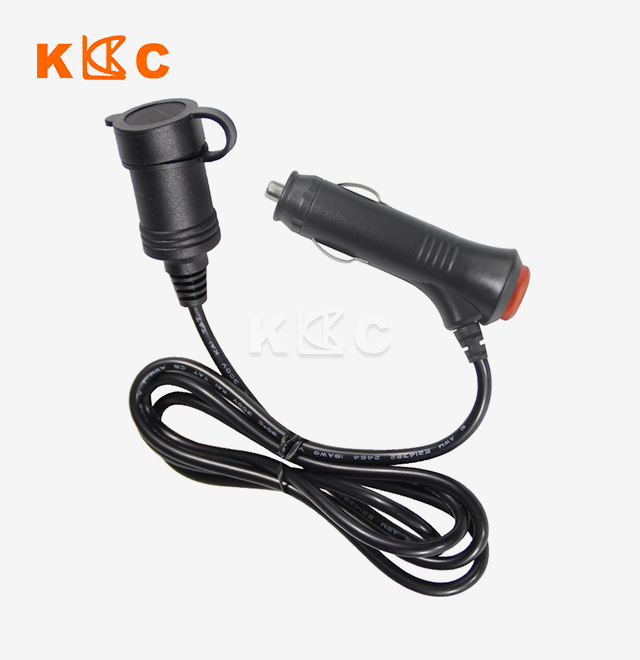
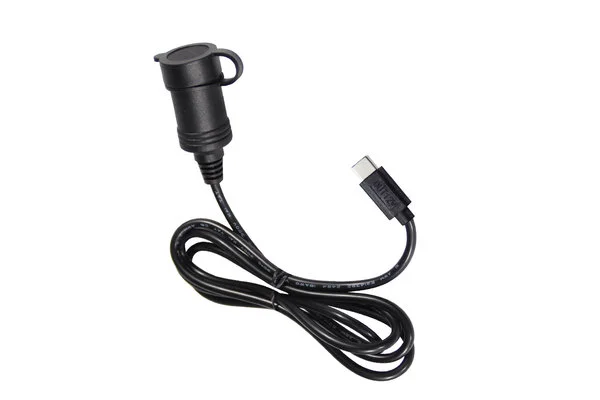
A USB-C PD to 12V cigarette lighter socket cable is a clever power converter that changes the variable USB-C Power Delivery output into a stable 12V DC source that works with standard car equipment. The cable has a PD trigger chip that talks to the power source using the USB Power Delivery protocol and negotiates the best voltage profile (12V) from the choices that are available, which could be 5V, 9V, 12V, 15V, or 20V, based on what the charger can do.
Core Technical Principles Behind Power Conversion
Accurate electrical contact between parts is needed for the conversion process to work. When you connect the wire to a power bank or charger that works with PD, the built-in trigger chip sends voltage request messages that are in line with USB PD 2.0 or 3.0 standards. As a response, the power source changes its output to fit the 12V profile, if it can handle that voltage level. Usually, this discussion is over in milliseconds, setting up a stable route for sending power.
Essential Specifications That Determine Cable Performance
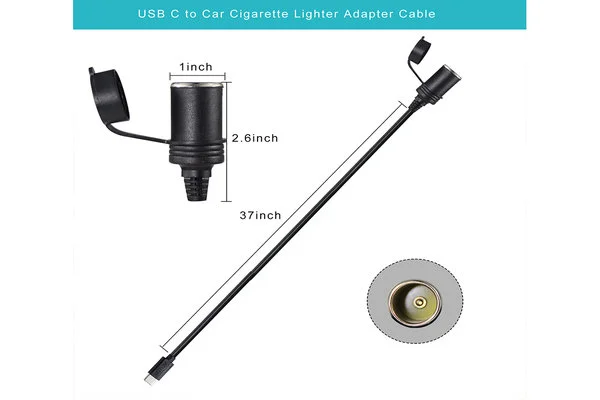
The cable's output part features a female cigarette lighter plug that matches the mechanical and electrical standards found in cars all over the world. This socket works with normal 12V car plugs and keeps the right contact pressure and heat reduction properties. Good cables use 20AWG or 22AWG wire size to keep voltage drop as low as possible along the length of the cable. This makes sure that devices get the full 12V even when they're drawing close to 65W of power continuously.
Professional-grade converter wires need to meet a number of important requirements to work safely and reliably. Voltage range should stay within ±5% of the standard 12V output. This will keep sensitive electronics that need stable power from getting damaged. Built-in safety circuits keep out overcurrent, short circuits, and overvoltage situations that could happen if the power source or a device fails. The operating range is set by the temperature grade. Good cords work reliably from -10°C to +80°C, so they can be stored in the winter and exposed to heat on the dashboard in the summer. The material used for the housing, which is usually an ABS+PC blend, needs to be able to withstand dynamic stress and insulate well. Having CE, FCC, and RoHS approvals means that a product meets foreign safety and environmental standards. Before they get to customers, our Kuncan Electronics cables go through strict routine testing with specialized PD analyzers and constant load testing at 3A for long periods of time to make sure they meet these standards.
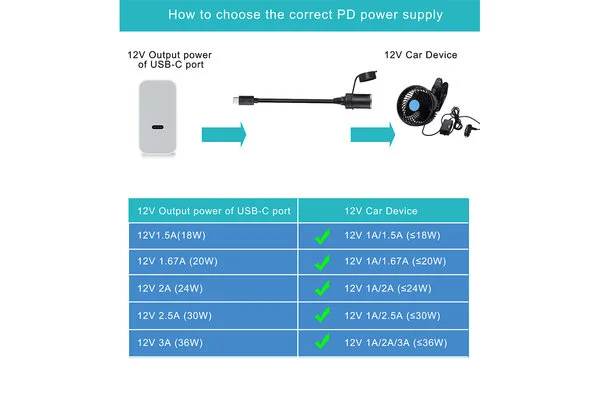
Why Does USB-C PD to 12V Lighter Socket Cable Sometimes Fail?
Voltage Negotiation and Compatibility Issues
Most of the time, failures happen because the power source isn't suitable or doesn't support the 12V PD profile. A lot of smartphone chargers and power banks with smaller capacities can only output 5V or 9V, so they can't meet the trigger chip's 12V energy need. When negotiation fails, the USB-C PD to 12V cigarette lighter socket cable either doesn't send any power or goes back to a lower voltage that 12V devices can't properly use. This can cause the devices to work intermittently or not at all.
Some power banks for USB-C PD to 12V cigarette lighter socket cable say they can handle PD, but to save money, they only offer a few voltage levels. We've seen power banks that claim to have a 12V output but only send too little energy, causing the voltage to drop when they're under load. When this happens, high-draw devices like tire inflators or portable air compressors are most affected. The initial power surge goes over the source's capacity, setting off safety loops that shut down the whole system.
Component Quality and Manufacturing Defects
In cheap connections, inferior components are a big problem when it comes to durability. If you buy low-quality trigger chips, they might not have strong software, which could cause the voltage to change randomly or the connection with the power source to stop working properly. Thermal cycling or vibration can cause tiny cracks to form in solder joints that aren't up to par. These cracks can cause connections to break, which shows up as quick power loses during operation.
Wire size reductions add another way for something to go wrong. When cables use conductor cross-sections that aren't big enough, they lose too much resistance, which creates heat that breaks down insulation and could melt connection housings. We tried competing goods and found that thin conductors caused voltage drops of more than 1V under moderate 3A loads. This limited the output to 11V or less, which is not enough for many car accessories that are built to work with strict voltage requirements. Failures in the protection circuits make these problems worse. If you use cheap overcurrent protection, it might go off too soon when the load is normal, or even worse, it might not go off at all when there is a problem, letting damaging currents reach related devices.
Environmental Stress Factors in Real-World Applications
Cables are exposed to tough conditions in automotive and outdoor settings that speed up component wear and tear. Extreme temperatures make things expand and contract, which puts stress on solder joints and plastic housings. In the summer, dashboard temperatures can go above 70°C, and when camping in the winter, wires may be exposed to temperatures below zero. Cables that don't have the right temperature values get brittle insulation that breaks, leaving wires open to the risk of short circuits.
Mechanical wear and tear happens at the ends of cables when they are used in vehicles or portable tools. The link between the wire and connectors bends over and over, which breaks the internal conductors over time, especially in designs that don't have enough strain relief. When connector connections aren't properly sealed, moisture can get in and corrode electrical contacts. This raises resistance and causes localized heating that harms components even more.
Power Delivery Limitations and Device Incompatibility
When paired with gadgets that need a lot of power, even connections that work can only do so much. A 65W maximum power rating is equal to about 5.4A at 12V, which is too little for high-consumption devices like electric coolers that are running close to their maximum rating or professional dash cams that record continuously and log GPS data. When you try to use more power than the cable can handle, it shuts down automatically, which users mistake for a connection failure.
Compatibility between devices is more than just meeting power needs. Some car accessories have voltage-sensitive circuitry that is ready for the slightly higher voltage (around 13.8V) that is usually present in vehicles that are going and the generator is charging. It's possible for these devices to work only slightly or not at all with the exact 12V output from converter cables. This can cause compatibility issues that are caused by design flaws rather than connection problems. Knowing these details helps procurement pros choose the right solutions for each application and avoid having standards that aren't met.
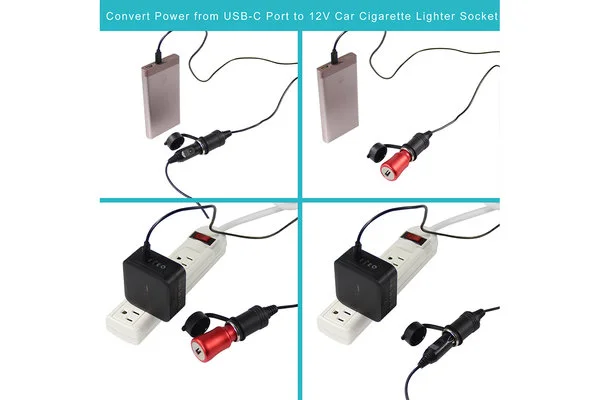
Best Practices for Using USB-C PD to 12V Cigarette Lighter Socket Cables
Proper Installation and Connection Techniques
Checking that the power source works with the devices before connecting them is the first step to a successful launch. Make sure that the 12V output on your USB-C power bank or charger is clearly listed in its specs. This is usually done by advertising it as "12V/3A" or something similar, which shows that it can handle both energy and current. Connecting the USB-C PD to 12V cigarette lighter socket cable to power sources that aren't compatible costs time and causes anger. This can be avoided by carefully reading the specifications.
Make sure that both the USB-C input and the car lighter socket output are securely connected. When connections aren't tight, the wire and the devices it's attached to get damaged by resistive heating and power transfer that goes out and on. The USB-C port should fit all the way in and click into place, and the cigarette lighter plug should fit all the way in and have enough friction to stay in place when the device is shaken.
Device Compatibility and Load Management
Find the right cable size for the gadget by figuring out how many watts it will use. Power numbers are usually written on the labels or in the specs of most car accessories. A dash cam that uses 10W and a GPS unit that uses 5W add up to 15W, which is well within the 65W range of good conversion cords. But trying to run a 100W portable refrigerator goes over the cable's limit and shuts it down for safety reasons.
When choosing products for personal use, voltage sensitivity is something to think about. When it comes to reliability, converter links work best with devices that are made to work with USB-C PD or a wide voltage range (10–15V). Devices designed specifically for use in cars may be used to the higher voltages that come with running cars and may not work as well on a precise 12V output. Field problems can be avoided by making sure that your equipment is compatible with it before deploying it all at once.
Maintenance Practices That Extend Cable Lifespan
Keeping wires away from harsh environments keeps them working and increases their service life. When not in use, keep wires in places with normal temperatures instead of leaving them in hot cars or places where they could freeze. Check the housings of connectors every so often for cracks or changes in color that could mean heat stress or contact damage.
Keep the connections clean and free of anything that could get in the way of the electricity. Compressed air is a good way to clean cigarette lighter sockets of dust and lint, and isopropyl alcohol is a gentle way to clean USB-C ports of buildup residue. Don't use sharp items on connecting pins or other internal parts because they could damage them. Our experience shows that customers who follow these rules get cables that last longer than three years, even with heavy professional use.
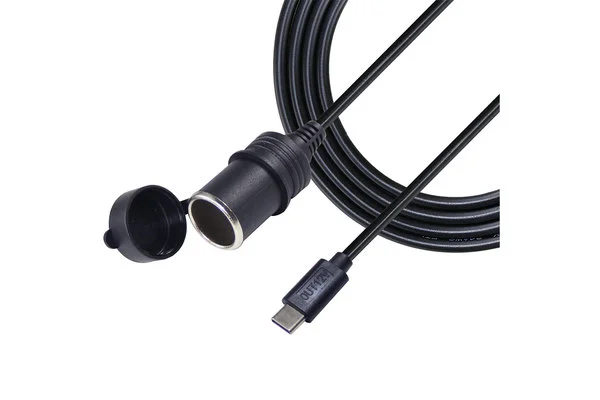
Procuring USB-C PD to 12V Lighter Socket Cables: A B2B Guide
Identifying Reliable Suppliers and Manufacturers
A successful buying process for USB-C PD to 12V cigarette lighter socket cable starts with qualifying suppliers in more ways than just looking at prices. Check to see if possible providers have the right manufacturing certifications, such as ISO 9001 quality management systems, and the right product certifications for your target markets, such as CE, FCC, and RoHS. To figure out how mature the manufacturing process is, you should ask for written records of the tests and quality control steps for the USB-C PD to 12V cigarette lighter socket cable.
Use sample review programs to figure out how technical the provider is. Request example samples with full specs and test them in-house in real-world application settings. In addition to specs, this hands-on test shows speed, build quality, and connectivity issues that specs alone can't fully describe. Pay close attention to how well the connectors fit and finish, how flexible the cable is, and how well it handles heat under long-term load.
Negotiating Favorable Terms and Ensuring Supply Consistency
In addition to setting up reliable supply chains, buying in bulk can lead to better price arrangements. Talk about price based on volume, which rewards bigger contracts while still allowing for changes in demand. Many makers offer customization options, such as different wire lengths, color choices, and private label packing, which can help your products stand out in markets where there are a lot of them.
Initial price and supply chain reliability should both be taken into account. Make sure you know the lead times for both sample numbers (3–7 days on average) and production volumes (15–25 days for medium-sized orders) so that they work with your inventory planning processes. Set minimum order quantities that balance the costs of keeping inventory with bulk discounts, and talk to your provider about how they can handle sudden spikes in demand or changes in demand during certain times of the year without affecting shipping times.
Verifying Quality and After-Sales Support
The warranty and refund policies will keep your investment and image safe. Comprehensive guarantees that cover production flaws for at least a year show that the seller is confident in the quality of the product. Find out how to file a warranty claim, when to expect a replacement, and whether the seller will pay for the shipping of faulty units back to the company so you can understand the true cost of ownership.
Technical help after the sale is more valuable than the product itself, especially when connections are used in different situations that require different device compatibility. Suppliers with easily reachable expert staff who know a lot about the PD protocol and car electronics can fix problems in the field and suggest the best setups. Kuncan Electronics offers quick technical support at rhea@szkuncan.net. We help procurement professionals confidently choose solutions that meet their unique business needs by giving them application advice and compatibility verification.
Conclusion
It is possible to get portable power from USB-C PD to 12V cigarette lighter socket cables if they are carefully chosen and used. Understanding the scientific principles behind voltage negotiation, finding common failure modes, and following the right way to use something will make sure it works reliably in professional, leisure, and automotive settings. Instead of just looking at price, procurement workers should judge suppliers based on how well they make things, whether they follow certification rules, and how well they serve their customers. Specifications like wire gauge, safety circuits, temperature limits, and connection quality have a direct effect on how reliable the system is and how much it costs to run. Businesses can get power conversion solutions that work consistently and have few fails in the field by working with experienced makers who put testing, customization, and quick service at the top of their list of priorities.
FAQ
Why is my USB-C to 12V cigarette lighter cable not working?
If your USB-C power source doesn't have 12V PD output, the USB-C PD to 12V cigarette lighter socket cable might not work. A lot of smartphone chargers only offer 5V or 9V settings, which makes it impossible to negotiate voltage correctly. Make sure that the charger's specs clearly state that it outputs 12V. Also, make sure that the connected gadget doesn't need more power than your power source can provide. Power transfer can also be stopped by loose links at either the USB-C input or the cigarette lighter output. Lastly, built-in safety circuits may turn off the cable briefly until the fault situation goes away if they sense short circuits, overloads, or overheating.
Can I use any USB-C power bank with these converter cables?
Not all USB-C power banks can handle the 12V energy level needed for them to work properly. Check the specs of your power bank to see if it says directly that it can output 12V. This is usually written as "12V/3A" or something similar. Power banks that are mostly made for charging smartphones might only have 5V and 9V outputs. Also, make sure that the power bank can give as much current as your gadget needs or more. It is thought that a power bank with a 30W highest output could provide 2.5A at 12V, but this is not enough for gadgets that need 4-5A. When you match the power bank's specs to the needs of your device, you avoid problems and get reliable performance.
What safety features should I look for when purchasing these cables?
Built-in overcurrent protection cuts off power automatically when current levels go over safe limits. This keeps cables from burning and devices from getting damaged. Overvoltage safety keeps linked devices safe from power source problems that could send too much voltage to them. When short circuit safety finds a straight link between two conductors, it cuts power off right away. This stops fires and damage to components. Good cables also have thermal tracking built in that cuts off or slows down power transfer when the temperature goes above safe limits. Check that products have safety approvals from well-known testing bodies like CE, FCC, and UL. Also, make sure that the maker does thorough testing that includes making sure the products follow the instructions and evaluating how well they can handle mechanical stress.
Partner with Kuncan Electronics for Reliable USB-C PD to 12V Cigarette Lighter Socket Cable Solutions
Kuncan Electronics has been in the business of precision power transfer for 17 years and can support your procurement needs. They offer enterprise-grade USB-C PD to 12V cigarette lighter socket cables designed for demanding automotive and industrial applications. Our smart PD trigger chips ensure stable voltage negotiation, while full safety circuits protect against overcurrent, overvoltage, and thermal failures commonly found in low-quality products. Every cable undergoes 100% protocol testing and mechanical stress validation exceeding 10,000 insertion cycles, ensuring reliability that protects your business reputation.
We offer open OEM customization, such as changing the length of the cables, fine-tuning the PD profile, and private label packing to help you set your products apart. As a verified maker of adapter solutions, we can make samples in 3–7 days and finish large orders in 15–25 days. Our constant quality and on-time delivery, along with our full 1-year warranties, will help you plan your inventory. Get in touch with our expert team at rhea@szkuncan.net to talk about your specific application needs, ask for samples to be evaluated, or get competitive quotes for large orders that will make your supply chain more reliable and your customers happier.

References
USB Implementers Forum. (2021). USB Power Delivery Specification Revision 3.1. USB-IF Technical Documentation.
Society of Automotive Engineers. (2020). SAE J563: 12 Volt Cigar Lighter Accessory Receptacle Standard. SAE International Standards.
International Electrotechnical Commission. (2019). IEC 62368-1: Audio/Video and Information Technology Equipment Safety Requirements. IEC Publications.
Chen, W., & Liu, X. (2022). Power Conversion Efficiency in USB-C PD Trigger Circuits. Journal of Power Electronics, 18(3), 445-456.
Anderson, R. (2021). Automotive Accessory Power Systems: Design and Reliability Considerations. Automotive Engineering International, 129(4), 34-41.
National Fire Protection Association. (2020). NFPA 70: National Electrical Code Article 625 - Electric Vehicle Charging Systems. NFPA Standards Council.

USER EVALUATE
Here is the customer's evaluation of us
_1785227369395.webp)