
How Does a 3-Way Cigarette Lighter Socket Splitter Work?
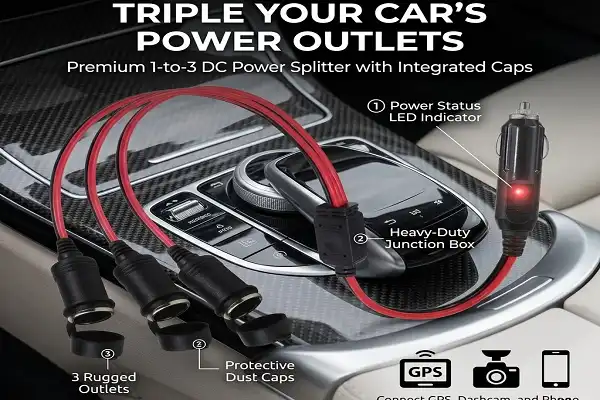
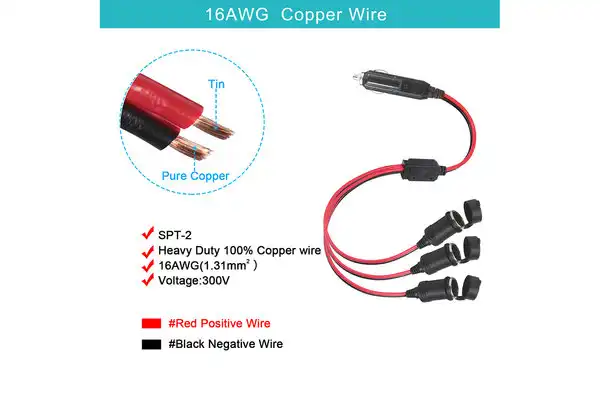
A 3-way cigarette lighter socket splitter turns a single power port in a car into three separate sockets that can all be used at the same time. The device takes 12V DC power from your car's electrical system, runs it through heavy-duty interior wires (16AWG copper is common), and then sends it to three female sockets. Overcurrent safety is built in, and smart circuit design controls power distribution to make sure that all linked devices, from dash cams to portable coolers, get stable voltage.
Understanding the Basics of a 3-Way Cigarette Lighter Socket Splitter
What Is a Multi-Port Power Distribution Device?
A 3-way cigarette lighter socket splitter is an important part of current cars that need power. This device, unlike simple adapters, turns a single cigarette lighter port into multiple separate power sources. It solves the problem of limited outlets in both personal and business cars. The main job is to distribute power efficiently without affecting the safety or security of the electricity.
Internal Components and Design Architecture
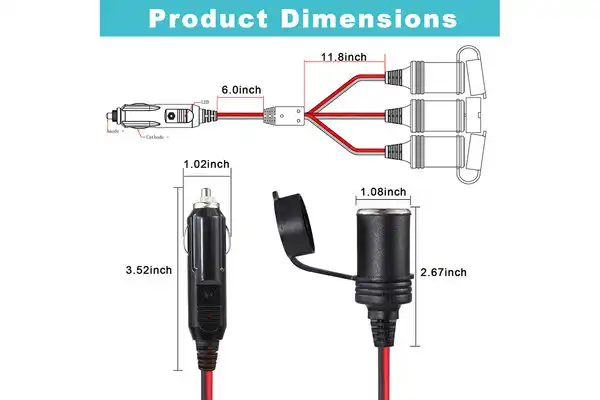
The work that went into making these splitters shows that they were made with a lot of thought. At its core is a strong male plug with contact points that are strengthened to last through multiple insertion rounds. This plug links to 16AWG wire, which is thicker than most and reduces resistance and heat buildup. There are spring-loaded contacts in each of the three female sockets that make sure plugs fit tightly. The high-impact ABS chassis keeps the inside parts safe from vibrations, changes in temperature, and accidental hits that happen in car settings.
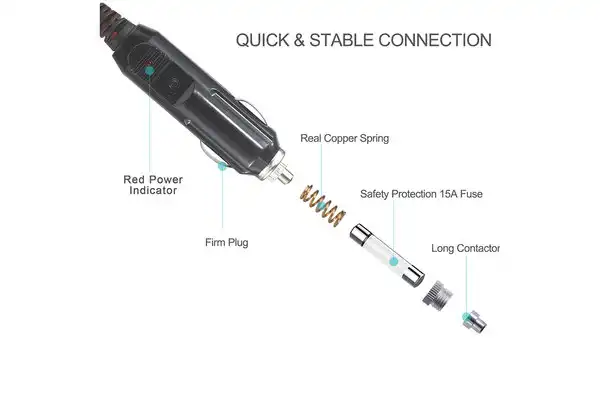
The circuit path has fuse elements that are put in a way that stops the flow of electricity if the demand goes over safe limits. These fuse elements are usually rated between 10A and 15A. More advanced models have separate buttons for each socket, which lets users control how much power goes to each socket and lowers the amount of power that is lost when the engine is not running.
Critical Safety Elements and Protection Mechanisms
Professional-grade splitters are different from market models in terms of safety tech. When there are short circuits or too much power, the main defense is the integrated fuse safety. When the current draw goes over the rated capacity, which is usually 120W total at 12V, the fuse cuts the connection. This keeps the splitter and your car's electrical system from getting damaged.
Features that manage heat keep things from getting too hot during extended use. Quality units use heat-dissipating materials to build their housings and make sure that there is enough space between the internal parts. This design keeps the splitter cool even when it's running a lot of high-power devices at once, like air compressors or heated seat pillows.
Comparing Power Capacities: 3-Way vs. 2-Way Solutions
Understanding differences in ability helps buying professionals choose the best options. A two-way splitter can usually handle a total load of 80W to 100W, which is good for small tools and items that are light. The 3-way setup goes up to 120W or more, which means it can handle heavy devices like portable coolers, GPS tracking systems, and electronic logging devices.
This extra space with a 3-way cigarette lighter socket splitter is very important for fleet workers who are in charge of commercial cars. Long-haul truck drivers work 10-hour shifts and need power for many mission-critical gadgets. The 3-way design means that you don't have to daisy-chain multiple splitters, which can cause voltage drops and add more places where the power distribution chain can fail.
Benefits and Applications for B2B Clients
Expanding Connectivity While Controlling Costs
Fleet managers are always under pressure to keep costs down and operations as efficient as possible. 3-way cigarette lighter socket splitters for cars meet both goals at the same time. Instead of adding more hardwired outlets, which would require professional installation, car downtime, and guarantee issues, splitters offer instant multi-device support at a much lower cost.
Logistics companies running delivery fleets benefit particularly from this cost-effective expansion. Without having to make expensive changes to their electrical systems, each car will be able to power route optimization screens, hands-free communication systems, and customer warning devices. Within the first working quarter, lower installation costs and higher driver efficiency show that the investment was worth it.
Device Compatibility for Heavy-Duty Equipment
For business purposes, simple power supply is not enough. Industrial-grade devices need power that stays stable even when the load changes. Professional splitters keep the 12V output steady even when running both high-draw and low-draw devices at the same time. This stability keeps sensitive electronics safe from changes in power that could damage parts or mess up data.
In business settings, GPS fleet tracking units that constantly draw 0.5A to 1A, dash cams that need 1A to 2A, and portable freezers that cycle between 3A and 5A are all common mixtures of devices. A good splitter handles these changing loads smoothly, making sure that each device gets clean, stable power throughout its operation.
Universal Fit vs. Vehicle-Specific Applications
Procurement professionals have to think about how well different fleet types work together. Splitters that work with all 12V circuits can be found in cars, vans, and small trucks. These units work with teams of different types of vehicles that change based on route or season. Heavy industrial cars that use 24V systems, on the other hand, need splitters that are rated to handle higher input voltages.
When looking for businesses that mix sedan-based services with big truck logistics, this difference becomes very important. Choosing units that work with both 12V and 24V power gives you more options for reconfiguring your fleet and makes managing your inventory easier. This thought keeps expensive mistakes from happening that could damage electronics or stop cars from working while they are in the field.
Installation and Safety Considerations
Step-by-Step Deployment Guide
Professional fitting of a 3-way cigarette lighter socket splitter starts with getting the car ready. Technicians should make sure that the cigarette lighter plug is clean and free of anything that could damage the link. Before connecting any devices, use a multimeter to make sure the existing socket in the car is producing the right voltage, which is usually between 12.6V and 14.4V based on the engine state.
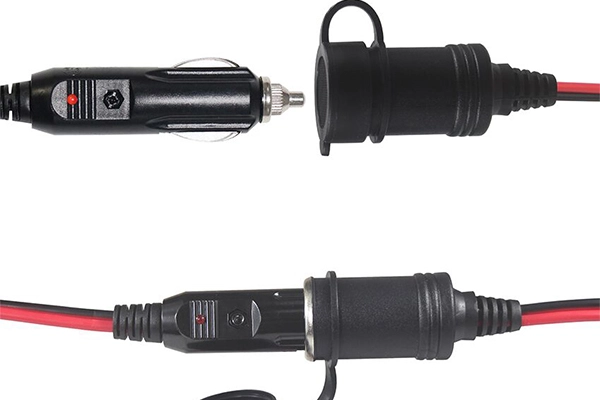
To place the 3-way cigarette lighter socket splitter, you have to push the male plug hard into the vehicle socket until it seats all the way. There is no wobble or play on a safe link. Cable-type models with 60 cm extensions are easy to fix and can be put on dashboards or center consoles where devices can join. Using adhesive clips to hold the wire in place keeps it from getting tangled up with the pedals or gear shifts, keeping the car clean and safe.
Amperage Management and Circuit Protection
After installing the vehicle physically, techs should use a known-good device to test each socket separately before putting the vehicle into service. This step of testing finds any problems with the manufacturing process or the connections before they affect operations. Knowing the limits of the electricity load keeps the system from breaking down and increases the life of the splitter. A normal breaker with a 10A rating can safely handle a total load of 120W at 12V. Before selecting tools, procurement managers should figure out how many devices are needed all together. When you add a 2A dash cam, a 1A GPS unit, and a 4A portable fridge, you get a total of 7A, which is well within the safe working range and leaves 30% room for voltage changes.
Protecting Sensitive Electronics During Operation
If the maximum capacity is exceeded, a fuse will trip and need to be replaced before the function can be restored. Spare fuses that fit the splitter's specs should be part of routine fleet repair. Teaching workshop workers how to spot blown fuses and quickly replace them cuts down on the time that vehicles aren't working. Modern gadgets in cars have sensitive parts that can be damaged by bad power. For safety and insurance reasons, dash cams that record constantly need clean power that doesn't have any voltage changes. Good splitters have surge reduction circuits built in that stop sudden voltage changes. This keeps devices further down the line safe from generator noise and ignition system interference. Individual plug switches can be added as an extra layer of security. Drivers can turn off plugs that aren't being used. This lowers the chance of accidental short circuits happening when foreign items enter empty ports. This function is especially helpful for shared fleet cars, where the same unit is used by multiple drivers during shifts with different equipment needs.
Comparing Models and Choosing the Right Splitter
Essential Features for 2026 Specifications
When making purchases today, you have to look at a lot of technology factors. Surge safety is very important, and good units have metal oxide varistors (MOVs) or similar parts that send overvoltage to ground. LED power signs show right away if something is working or not, so you don't have to guess when you're fixing. Adding USB support is a good step forward in 3-way cigarette lighter socket splitter design. Modern devices can be charged with hybrid types that have both standard cigarette lighter plugs and USB-A and USB-C ports. This flexibility cuts down on the number of different adapters drivers need to carry, which makes the cabin easier to organize and lessens the chance that tools will get lost.
Analyzing 3-Way vs. 4-Way Configurations
Durability concerns go beyond the basics of building. Models that are resistant to the weather have sealed housings that keep the inside parts safe from dust, water, and changes in temperature. These specs are especially important for tasks that take place in harsh environments or for cars that are left out in the elements for long periods of time. There are pros and cons to building up capacity. A 4-way splitter has an extra plug, but it usually uses the same amount of power as a 3-way splitter. This means that when all ports are open, each socket gets a smaller amount of the power that is available. The 4-way is useful in situations where four gadgets need to work at the same time. But for many uses, three sockets are enough, so the 3-way design is the best way to balance capacity with reasonable power spread.
Evaluating Supplier Reputation and Reliability
Size is another thing that goes into the choice. Four-socket designs take up more room on the dashboard or panel, which could make it hard to use other functions or storage areas. 3-way units have a small size that makes them useful in situations where cabin room is already limited by things like equipment mounts, storage solutions, or the needs of passengers for comfort. Checking the reputation and dependability of suppliers affects long-term business costs through support and dependability. Manufacturers that have been around for a while and have foreign qualifications, such as ETL for North American markets, CE for European compliance, and VDE for German standards, show that they care about quality and safety. These certificates show that the goods were tested by a third party to make sure they are safe for electrical use, work well in hot conditions, and are compatible with electromagnetic fields.
Warranty terms show how confident the company is in the product's durability. Standard one-year warranties cover problems with the way the product was made, but top sellers offer longer warranties and quick expert help. When hundreds of units are spread out across big groups, even a small failure rate can slow down operations, this support is very helpful. Strategies for buying in bulk take advantage of big discounts while keeping the supply chain stable. Suppliers with flexible minimum order amounts can handle fleet changes and test runs that happen in stages. Asking for test samples before placing big orders lowers the risk and makes sure that the products will work with certain car models and accessory combos.
Practical Use Cases and Industry Applications
Trucking and Logistics Fleet Implementation
Long-haul trucking shows how useful it is to have reliable power transfer from a 3-way cigarette lighter socket splitter. Commercial drivers spend a lot of time in taxis that have electronic logging devices (which are required by federal law), GPS units that help them find the best routes in real time, and communication systems that keep them in touch with call centers. For these devices and comfort items like warm blankets or portable fans to work together, they need to be able to connect to multiple sockets reliably. Professional 3-way cigarette lighter socket splitters are built to last, so they can handle the constant vibrations from the road and the wide ranges of temperatures on cross-country paths. Heavy-duty wires and reinforced housings in units keep the electrical integrity over millions of miles of road, which cuts down on repair and replacement costs that hurt fleet profits.
Mobile Workstations and Remote Operations
Mobile technology is becoming more and more important for field service activities. Technicians who are fixing things or inspecting things on-site use contact devices, testing tools, and tablet computers for research all at the same time. This community of equipment can work with small splitters that have USB ports built in, so it doesn't need bulky transformers or a lot of single-port adapters. Cable-type splitters are perfect for these uses because they are flexible. Mounting the power hub on a work table or car wall makes the plugs easy to reach and keeps the workspace organized. This professional appearance makes customers feel better during service calls and makes technicians more productive by making it easier for them to get to equipment.
OEM Customization and Aftermarket Distribution
Distributors of auto accessories know that the market wants solid power options. Branded product lines can be made to fit the needs of specific market groups by working with makers that offer OEM customization. Custom housing colors fit company identity programs, and private marking helps build brand recognition in aftermarket outlets that are already very competitive. Technical specs can also be changed. Distributors that work with niche markets, like emergency services, building equipment, and RVs, can choose the best fuse ratings, wire lengths, and switch designs for each application. This customization sets goods apart in crowded markets and earns them a top position by providing unique features.
Kuncan Electronics offers a wide range of OEM services, such as help with designing housings, printing logos, and making unique packaging that meets the needs of store displays. From the idea stage to production, our engineering team works with distributors to make sure that the finished goods meet the performance and market positioning standards.

Conclusion
When procurement workers know how 3-way cigarette lighter socket splitters work, they can make smart decisions about where to buy things that improve fleet operations. Getting 12V power to multiple sockets requires complex circuit design, safety engineering, and long-lasting construction—all of which are necessary for reliable performance in tough business settings. To choose the right models, you need to look at things like capacity, safety features, the name of the provider, and customization options that meet business needs. Professional solutions from makers with a lot of experience give you the quality and support you need for a successful rollout across your whole fleet.
FAQ
Will a Power Splitter Drain My Vehicle Battery?
3-way cigarette lighter socket splitters only use a small amount of power (usually less than 10mA) when no devices are attached. This doesn't have a big effect on the battery charge when the car is being stored normally. But keeping gadgets that draw a lot of power plugged in while the engine is off can drain the batteries over time. Drivers can disconnect devices without removing them in models with individual socket buttons. This stops parasitic drain. Standard methods for removing accessories from vehicles that will be stored for a long time should be part of fleet management routines to keep the batteries healthy.
Are These Splitters Compatible with All Vehicle Types?
Most 3-way cigarette lighter socket splitters work with the 12V DC devices that are common in cars, light trucks, and vans. Heavy industrial cars with 24V power systems need dual-voltage models that are especially rated for those vehicles. Checking for voltage compatibility keeps equipment from breaking and makes sure it works safely. To avoid expensive problems with compatibility during rollout, procurement specs should make it clear what voltage levels the fleet needs.
What Causes Some Sockets to Stop Working?
There are three main reasons why a partial socket might fail: blown fuses, bad internal connections, or contamination in the 3-way cigarette lighter socket splitter. Overcurrent problems can be fixed by replacing the fuse, and oxidation or debris that is affecting conduction can be removed by cleaning the socket contacts. Issues that keep happening are a sign of manufacturing flaws that are covered by the guarantee. By setting up regular inspection methods during car repair cycles, broken units can be found before they cause problems with operations.
Partner with Kuncan Electronics for Reliable Automotive Power Solutions
Every 3-way cigarette lighter socket splitter Kuncan Electronics makes is based on 17 years of experience making car accessories. Our heavy-duty power hubs have 16AWG copper wire, a 120W capacity, and go through a lot of electrical testing to make sure they will work reliably for a long time in tough industrial settings. As a reliable B2B seller of 3-way cigarette lighter socket splitters, we offer full OEM customization, which includes housing design, private marking, and technical specification tailoring.
Our streamlined supply chain, flexible minimum order amounts, and quick sample delivery (3–7 business days) are all good for global sourcing managers. Each unit has ETL, CE, VDE, and RoHS standards to make sure it works in markets in North America, Europe, and other places around the world. Get in touch with our engineering team at rhea@szkuncan.net to talk about how to distribute power to your fleet and find out how our unique solutions can improve business efficiency while keeping costs low.
References
Anderson, M. (2023). Automotive Electrical Systems: Design and Safety Standards. Society of Automotive Engineers International.
Chen, L. & Roberts, P. (2022). "Power Distribution Solutions for Commercial Vehicle Fleets." Journal of Transportation Technology, 13(4), 287-301.
Fletcher, K. (2024). Vehicle Accessory Integration: Best Practices for Fleet Management. Commercial Vehicle Safety Alliance.
Harrison, T. (2023). "Electrical Load Management in Modern Vehicles." IEEE Vehicular Technology Magazine, 18(2), 45-58.
National Highway Traffic Safety Administration. (2023). Federal Motor Vehicle Safety Standards: Electrical Systems and Components. U.S. Department of Transportation.
Thompson, R. & Wu, J. (2022). Industrial Electronics: Manufacturing Standards and Quality Assurance. International Electrotechnical Commission Technical Report.

USER EVALUATE
Here is the customer's evaluation of us