


How to Convert USB-C PD Power to 12V Car Socket Safely?
To safely connect USB-C Power Delivery (PD) power to a 12V car plug, you need a special adapter wire with a smart PD trigger chip that handles voltage protocols and provides a stable 12V output through built-in protection circuits. The USB-C PD to 12V cigarette lighter socket cable is an important link between current portable power banks and older automotive tools. It lets dash cams, GPS devices, and portable coolers work well without draining the batteries in your car. Fleet managers, car engineers, and distributors who need reliable off-grid power options that meet strict safety standards and cut costs are the ones who need to know about this technology the most.
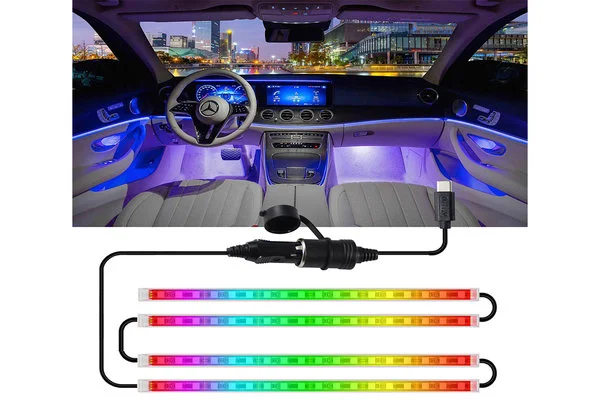
Understanding the USB-C PD to 12V Cigarette Lighter Socket Cable
What is USB-C PD Technology and How Does It Work?
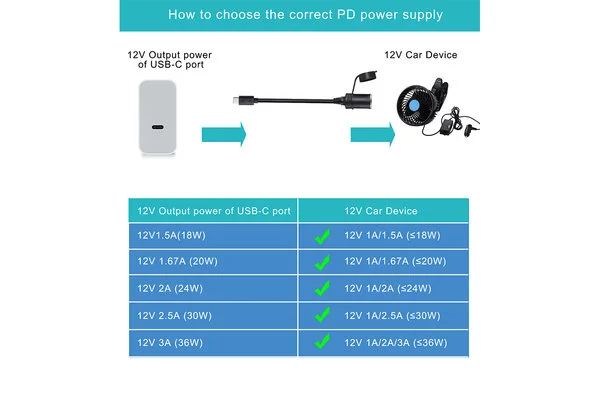
USB-C Power Delivery is a global charge standard that lets devices talk about their power needs on the fly. PD technology can handle more voltage profiles than regular USB links, such as 5V, 9V, 12V, 15V, and 20V, and can send up to 100W of power. When you connect a power bank that supports PD to a conversion wire, the smart trigger chip inside talks to the source to ask for the exact voltage that is needed, which in this case is 12V. This makes sure that the power transfer works as well as possible.
Core Functionality and Technical Architecture
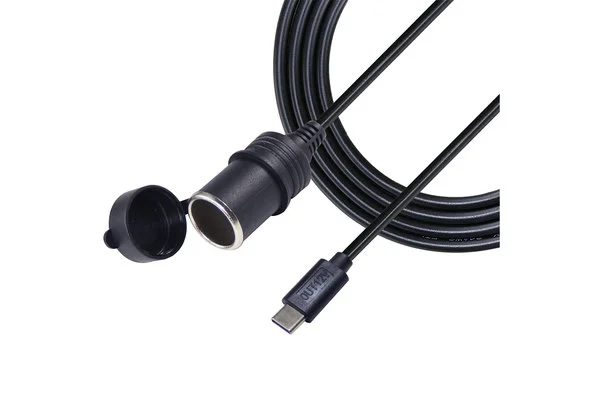
The conversion wire has a number of important parts that all work together. The PD trigger chip checks the connected power source for possible voltage profiles and locks on to the 12V choice. Internal voltage controls keep the output stable within a range of ±5%, which keeps delicate electronics safe from changes. The 20AWG or 22AWG wire size keeps resistance and voltage drop to a minimum along the length of the line. This makes sure that power is delivered consistently, even when the load is on all the time.
Professional-grade wires are very safe because they have protection circuits built in. Overcurrent safety cuts off the power automatically when the draw goes over safe limits. This keeps the wires from getting too hot. Protection against overvoltage keeps connected devices safe from power spikes that could damage them. If there is a fault, short-circuit safety cuts the power right away. For business-to-business (B2B) apps, where equipment downtime directly leads to lost income, these multiple layers of security are important.
Benefits for Automotive and Industrial Applications
Portable power options are becoming more and more important for modern vehicle operations. For parking monitoring, dash cams need to be plugged in all the time without draining the starter batteries. For ongoing location tracking, GPS tracking tools need a stable 12V power source. When doing repair on the side of the road, portable diagnostic tools need stable power. All of these situations can be handled very well by converting USB-C PD power.
You can't say enough good things about portability. Traditional transformers are heavy (a few pounds) and waste energy by making heat when they change from AC to DC. A small adapter wire that changes power immediately and has an efficiency rate of over 85% is just a few ounces. This is very important for techs who are moving tools from one job site to another or for fleet cars that work in remote areas where power from the grid is still hard to get to.
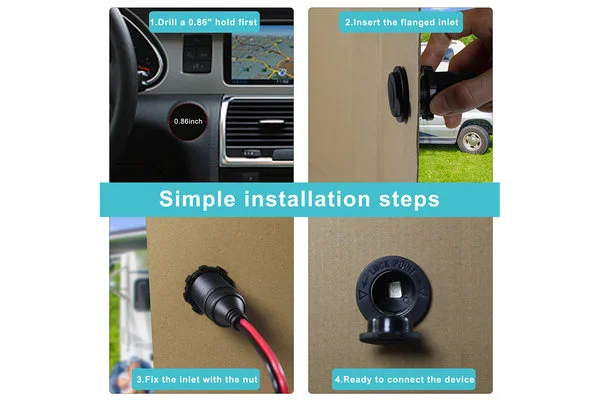
Common Challenges in Converting USB-C PD to 12V Car Power – And How to Solve Them?
Voltage and Current Compatibility Issues
Most of the time, the problem comes from limited power sources. A lot of smartphone chargers only work with 5V or 9V profiles and don't have the 12V power that car devices need. When buying teams order in bulk without checking the PD profiles, they find that wires don't seem to work because the power banks can't provide 12V. This expensive mistake can be avoided by checking before buying.
Another thing to think about for USB-C PD to 12V cigarette lighter socket cable is current ability. A device that needs 5A at 12V needs a 60W power source, which is well within PD standards but more than what lower-rated chargers can handle. When current levels don't match, voltage drops when there is a load on it. This can set off safety circuits or make devices stop working. The technical specs must match up all the way through the power chain, from the source to the end gadget through the cord.
Safety Risks and Prevention Strategies
The biggest safety risk in power transfer uses is overheating. When used, low-quality connections with wire gauges that are too small create too much heat, which damages insulation and poses a fire risk. Professional connections use the right wire size (20AWG for most uses and 18AWG for higher currents), which keeps thermal management safe even after long periods of use.
Short circuits happen when insulation breaks down. These damage equipment and put people at risk of getting shocked. High-quality wires are double-insulated and have ABS+PC housings that can withstand temperatures up to 80°C. This protects them mechanically and keeps the temperature stable. The ultrasonic welding method makes parts that are seamless, meaning there are no gaps where water could get in. This keeps the insulation's integrity throughout the product's lifetime.
Real-World Case Study: Fleet Dash Cam Implementation
A logistics company with 200 delivery cars set up dash cam tracking 24 hours a day, seven days a week using high-capacity USB-C power banks and conversion cords. The first launch used cheap cables that broke within weeks because the connectors wore out and there wasn't enough pressure relief. Failures stopped when industrial-grade cables with stronger strain relief and 10,000+ insertion cycle rates were used instead. This cut down on repair visits by 87% over six months. The difference in the cost of purchase was almost negligible when compared to the money saved on labor and the higher reliability of the car security tracking.
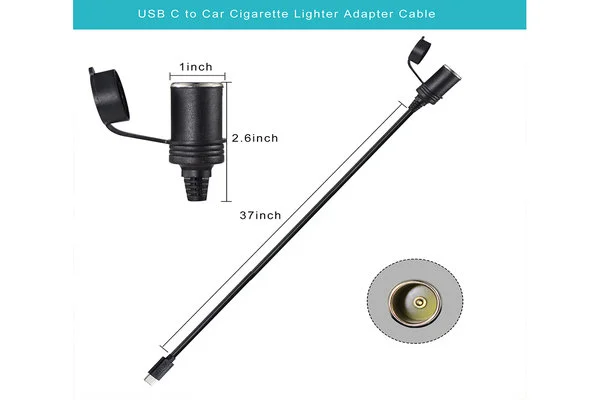
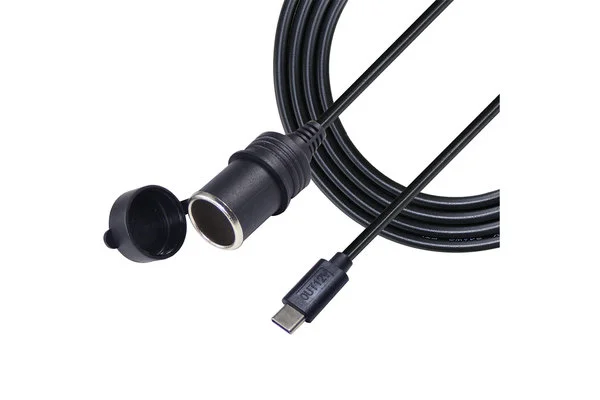
Comparing USB-C PD to 12V Cigarette Lighter Socket Cables with Traditional Car Charging Solutions
Power Performance and Efficiency Analysis
Usually, car chargers change the 12V power from the cigarette lighter to 5V USB and then back up to the levels that the device needs. This wastes energy and makes heat. Direct USB-C PD to 12V conversion gets rid of the need for middle steps, which makes the process more efficient and lowers power waste. PD conversion lines keep 85–90% of their efficiency, while standard multi-stage converters only keep 70–75%.
The power limit is very important. Most standard 5V USB car chargers can only handle 12 to 18W, which is too little power for devices like portable freezers and air compressors. USB-C PD conversion connections can give up to 65W continuously, which lets tools work that used to need a car's ignition or different battery packs. With this new feature, portable power can be used in more ways in the automobile world.
Durability and Environmental Resistance
In automobile settings, the choice of material affects how long something will last. Options with braided cables don't wear down easily when they're moved around a lot on seats and in cargo areas. In cold temperatures as low as -10°C, some types of PVC stay flexible while cheaper materials become rigid and crack. The temperature grade up to +80°C makes sure that it will work reliably in cars that are heated by the sun and where the temperature inside gets very hot.
How well a connector is built for a USB-C PD to 12V cigarette lighter socket cable directly affects how long it lasts. Stamped metal contacts in cheap wires rust quickly, making the links less reliable because the resistance goes up. Gold-plated brass contacts are used in professional wires because they don't rust and keep their low contact resistance even after thousands of insertion rounds. When made correctly with reinforced PCB mounting, the reversible design of the USB-C connection removes the mechanical stress that breaks down regular USB connectors.
Brand Comparison for Procurement Decisions
Well-known names of consumer electronics sell goods that are geared toward stores, have standard features, and come with warranties through retail channels. These cords work well for individual users, but they might not have the customization choices that B2B clients need, like specific cable lengths, different connector orientations, or private marking for reselling. Pricing structures favor small orders over big orders, which makes it harder to find the best prices for large projects.
Specialized B2B companies like Kuncan Electronics focus on OEM relationships. They offer technical support for unique specs and can handle large orders with prices that can be adjusted. Longer wait times for customization are the price to pay for much better supply chain reliability, consistent quality across big batches, and direct expert help for integration problems. When choosing suppliers, procurement teams have to weigh the need for instant access against the need for long-term supply security and the ability to make changes as needed.
How to Choose the Right USB-C PD to 12V Cigarette Lighter Socket Cable for Your Business Needs?
Defining Technical Specifications and Requirements
Power needs drive the creation of specifications. Find the highest current that the devices you want to use can handle and add 20% as a safety cushion. For a dash cam that draws 2A at 12V, the source needs to be at least 24W, so a 30-35W cord should be fine. Undersized wires work at their temperature limits, which speeds up wear and tear and shortens their useful life.
Cable length affects both how easy it is to use and how well it works. When you plug in a 22AWG wire that is 3A, the voltage drops by about 0.2V per meter for longer connections. If you need to run cables longer than 1.5 meters, you should switch to 20AWG or 18AWG design. On the other hand, wires that are too long make the inside of vehicles more cluttered and could get caught. Matching the length of the wire to the needs of the installation improves both its usefulness and its appearance.
Different markets have different certification needs. CE marking lets products be sold in Europe, FCC approval lets them be sold in the US, and RoHS certification makes sure that parts are safe for the environment. Businesses that sell to more than one market need cables that have all the necessary licenses so they don't have to keep separate inventories for each area. Requesting test reports and license numbers to make sure that certifications are real saves businesses from false claims that could put them at risk of being sued.
Procurement Channels and Supplier Evaluation
For large orders, buying straight from makers at wholesale prices usually saves you 30 to 40 percent compared to markups by distributors. Longer wait times and higher minimum order numbers are the trade-offs. Distributors offer smaller lots and faster shipping, but they charge more. Hybrid methods, like setting up direct relationships with manufacturers for basic inventory and dealer accounts for quick restocking, are a good way to balance cost-effectiveness with supply flexibility.
Supplier screening keeps quality standards high and shipping times reliable. Ask the production site for certifications that show they have quality control systems in place. Read audit results from a third party if they are available. Check sample goods while they are under load and record the real output voltage stability and temperature rise. Checking with current customers for references shows how well the delivery works and how quickly problems are fixed. These steps keep businesses from partnering with providers who can't meet the quality standards set by B2B customers.
Warranty and Long-Term Support Considerations
Standard one-year guarantees for a USB-C PD to 12V cigarette lighter socket cable cover problems with the way the product was made, but not damage from abuse or being exposed to the environment. Some makers offer extended warranty plans to show they are confident in the durability of their products and to give customers a better idea of how much they will cost in the long run. How to file a warranty claim is just as important as how long the coverage lasts. For example, providers who offer prior replacement have less downtime than those who need defective units to be sent back before sending replacements.
Total cost of ownership is affected by the provision of technical help. Suppliers who offer engineering consulting help improve specs during the original purchase and fix problems with integration during deployment. When scaling setups across big teams or adding wires to OEM goods, this support is very helpful. The connection goes beyond a transaction to a partnership, setting apart makers who can help a business grow in the long run.
Safe Usage Tips and Maintenance for USB-C PD to 12V Cigarette Lighter Socket Cables
Proper Installation and Connection Techniques
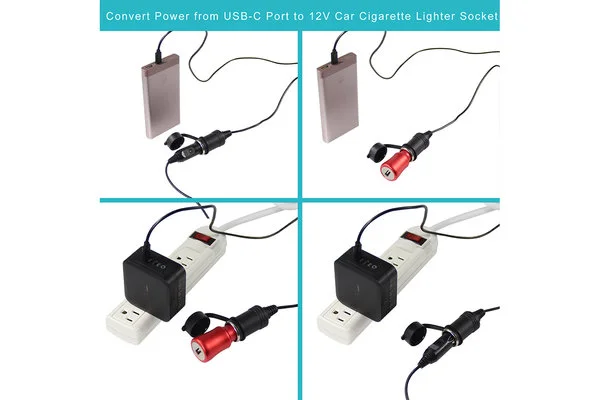
For connector placement, it's better to align things gently and straight than to force them into place at an angle. The symmetrical design of the USB-C port takes away any worries about direction, but forcing it in too hard can damage the internal contacts and PCB solder joints. The cigarette lighter socket link should go all the way in until mechanical resistance shows that it is at the right level. If it is only partially inserted, high-resistance connections are made, which cause heat and voltage drop.
Environmental factors affect where an installation is put. To make wires last longer, keep them away from heat sources like cooling vents and avoid pinch points under seats. Movement-induced wear can be avoided by securing wires with clips or routing holes. Professional installation paperwork, which includes pictures of wire routing and connection spots, makes troubleshooting easier and helps workers during service intervals for business vehicles.
Inspection and Preventive Maintenance Schedules
Visual checks every three months find problems before they become fails. Check the joints for discoloration that could mean they are too hot, the wire jacket for cuts or wear, and the strain relief to make sure it is still whole and not cracked. Moving the plugs around while watching the linked device work shows that the connections aren't working right and need to be replaced. Adding cable inspection to standard car repair intervals in fleet uses spreads out the inspection work and finds problems in a planned way.
Cleaning the connection point keeps the touch strong. Isopropyl alcohol on cotton swabs can be used to clean cigarette lighter sockets of dust and rust. USB-C ports are cleaned with compressed air. When links are clean, resistance goes down, which means less heat is made and the service life is longer. When done every six months, this simple maintenance task keeps speed from dropping in settings with a lot of use.
Troubleshooting Common Operational Issues
When gadgets don't turn on, systematic analysis helps find the issue. Use a USB power meter or a known-good device to make sure the power source gives off 12V PD profile. Make sure the item you're connecting really does need 12V and not a different power. Use a voltmeter to check the continuity of the wire. These simple tests find out if the problem is with the power supply, the cable, or the gadget that is attached.
When something overheats during regular operation, it means there are problems that need to be fixed right away. Too much heat can happen when circuits are overloaded, links are broken, or the wire length is too small for the job. If the wires get too hot to touch, turn off the power right away. Check the real current draw to make sure it stays within the cable's limits. If the wire keeps getting too hot even though the load is the right amount, it should be replaced instead of being used longer, which could cause a fire or damage the equipment.
Conclusion
Safe conversion of USB-C PD power into 12V automotive socket formats using a USB-C PD to 12V Cigarette Lighter Socket Cable requires a solid understanding of power delivery protocols, careful attention to component specifications, and consistent verification of quality and safety standards. Professional-grade cables equipped with intelligent PD trigger chips, properly sized conductors, and comprehensive protection circuits enable reliable operation in both automotive and industrial environments. Procurement teams achieve the best results by clearly defining technical requirements, thoroughly evaluating suppliers, and following proper installation and maintenance procedures. As power delivery technology continues to evolve toward higher output capacities and enhanced safety features, maintaining strict quality standards and correct usage practices remains essential.
FAQ
Can USB-C PD to 12V cables work with all vehicle types?
These USB-C PD to 12V cigarette lighter socket cables work with any gadget that has a standard 12V cigarette lighter socket, no matter what brand or type of car it is. The connection changes the power from USB-C to 12V, which is the standard for car sockets. The device you want to join must be able to handle the cable's wattage level and the power source must accept 12V PD profile. The cord connects portable USB-C power banks to devices made for 12V power in cars, but the cars themselves are not directly involved.
What happens if my cable overheats during use?
Overheating usually means that too much power is being drawn, the link isn't working well, or the cable is damaged. Turn off the power right away and wait for it to cool down before looking into it. Make sure that the attached device's power needs are met by the wire. Check the joints for dirt or damage that could cause them to connect with a high resistance. In the event that the power draw fits the cable's values and the connections look good, the cable may have been damaged inside. Using wires that are too hot too long can cause fires and damage to equipment, so they need to be replaced right away instead of being fixed.
Do these cables support high-wattage equipment like portable refrigerators?
The cable's wattage level must meet or go beyond what the gadget needs. Most portable freezers use 30 to 50W, which is well within the 65W rating of most cables. Check that the cable rate and power source capacity are both higher than what the gadget needs. When paired with the right cables, high-capacity USB-C power banks rated at 60W or more can safely power refrigerators and other similar products. To find the wattage, increase the voltage (12V) by the current draw. For example, a gadget drawing 4A needs at least 48W of power, and more power is usually a good idea for efficiency losses and startup surge currents.

Partner with Kuncan Electronics for Reliable USB-C PD to 12V Power Solutions
Kuncan Electronics is ready to help you with your power switching needs for your car with professional-grade adapter solutions backed by 17 years of manufacturing excellence. Our engineering team works with clients to find the best cable designs for each application, whether they are filling business fleets, adding cables to original equipment manufacturers' products, or providing distributors that serve the car market. As an experienced USB-C PD to 12V cigarette lighter socket cable supplier, we offer full customization, such as optimizing cable length, setting PD profiles, and private label packing that makes your brand stand out. Each unit goes through strict routine testing and ongoing load checks to make sure it's reliable enough for your business. Email our team at rhea@szkuncan.net to discuss your technical requirements, request samples, or obtain competitive quotations for bulk orders. Through precise engineering and responsive partnership, we turn power distribution challenges into strategic advantages.
References
USB Implementers Forum. (2021). USB Power Delivery Specification Revision 3.1. USB-IF Compliance Documentation.
Society of Automotive Engineers. (2020). SAE J563: 12 Volt Automotive Cigar Lighter Accessory Socket Standard. SAE International Technical Standards.
International Electrotechnical Commission. (2019). IEC 62368-1: Audio/Video, Information and Communication Technology Equipment - Safety Requirements. IEC Standards Publication.
Anderson, M. & Richardson, P. (2022). Automotive Electrical Systems: Design Principles and Safety Standards. Automotive Engineering Press.
Chen, W. (2021). Power Conversion Efficiency in Mobile and Automotive Applications. Journal of Power Electronics, 21(4), 892-904.
National Fire Protection Association. (2020). NFPA 70: National Electrical Code - Article 625 Electric Vehicle Charging Systems. NFPA Standards Council.

USER EVALUATE
Here is the customer's evaluation of us
YOU MAY LIKE
_1784355495257.webp) VIEW MORE1 in 3 NEMA1-15P to NEMA5-15R extension cord
VIEW MORE1 in 3 NEMA1-15P to NEMA5-15R extension cord VIEW MORENEMA14-30P to O-ring terminal cable
_1781163912838.webp) VIEW MORENEMA 5-20P to T-Blade Receptacle Adapter Cord
VIEW MORENEMA 5-20P to T-Blade Receptacle Adapter Cord_1778575304578.webp) VIEW MOREUS to IEC C5 Power Cord
VIEW MOREUS to IEC C5 Power Cord VIEW MOREFly Lead Power Cord
 VIEW MOREwall extension plugs
 VIEW MOREflying lead connections
 VIEW MOREpower supply cable cord