


Salt Lamp Cables Provide Safe Power Solutions for Decorative Lighting
Salt lamp cables represent critical power delivery components that ensure Himalayan salt lamps and decorative lighting operate safely and efficiently. These specialized power assemblies combine UL-certified construction, robust connection mechanisms, and intuitive switching systems to provide reliable electrical connectivity for commercial and residential lighting applications. At Kuncan Electronics, we manufacture premium power cord assemblies engineered specifically for salt lamp requirements, featuring butterfly spring clips for secure mounting, customizable wire specifications from 14AWG to 18AWG, and dual switch configurations including stepless dimmers and 303 rocker switches. Our 17 years of manufacturing expertise deliver power solutions that meet stringent North American electrical codes while supporting loads up to 100W at 10A 125V, addressing the core challenges B2B distributors face: ensuring product safety compliance, maintaining consistent quality across bulk orders, and accessing customization services that differentiate their retail offerings in competitive gift and home décor markets.
Understanding Salt Lamp Cables: Materials, Types, and Safety Standards
In decorative lighting uses, the safety of operations and the length of time a product lasts are directly affected by the quality of the building of power cord assemblies. Procurement teams can make smart choices about where to get materials that protect both end users and the brand's image when they know the material's specs and certification needs.
Conductor Materials and Electrical Performance
Copper conductors are used in most professional-grade power assemblies because they are better at conducting electricity (61-63% IACS), while aluminum conductors are sometimes used in cheaper products even though they have lower conductivity ratings. In our manufacturing plant, we only use oxygen-free copper conductors in 18AWG x 2C configurations. These give us the best current-carrying ability for 24/7 operation without making too much heat. Choosing the right wire size has a big effect on how much voltage drops. For longer lengths than 6 feet or higher-wattage uses that get close to 100W loads, you need 14AWG or 12AWG choices, which are thicker. This level of technical accuracy stops problems with power delivery that could lead to flickering lights, bulbs that burn out too soon, or thermal stress on internal parts.
Temperature values are another important characteristic. Our SPT-2 and NISPT-2 wire types can work continuously at 105°C. This thermal tolerance makes sure that the insulation stays in place even when the cables are close to objects that generate heat or when they are working in temperatures that are typical of store display areas. Whether it's PVC, TPE, rubber, or LSZH compounds, the insulation materials themselves have a direct effect on how flexible, flame-resistant, and environmentally friendly they are. Each material is best for a different set of installation situations and rules in different markets around the world.
Switch Integration and Control Options
Modern power units come in two main switching types to meet the needs of a wide range of users and market groups. The 303 rocker switch has a simple on/off function and tactile feedback. It has a strong switching mechanism that can be used over 10,000 times without breaking down. This simple design works well for business setups that value dependability and ease of upkeep. Its clear operating state makes it easy for users to quickly check the lamp's status.
Variable light intensity control is added by stepless dimmer switches, which have rotating adjustment mechanisms that let users change the mood or time of day settings. Our dimmer assemblies have special hardware that keeps the current flowing smoothly across the whole brightness range, so you don't hear buzzing or see flickering, which are common problems with lower-quality goods. We test dimmer life cycles that model over 10,000 turns to make sure they are mechanically durable and electrically consistent so they don't break too soon in the hands of customers.
Certification Standards and Compliance Requirements
UL and cUL listings are mandatory for North American distribution channels. They show that goods have passed thorough safety tests that look at how they were built, what materials they are made of, and how well they work when something goes wrong. We strictly follow UL Standard 817 when making cord sets and power supply cords. We test every single one of them before they leave our factory, and this includes high-pot dielectric verification at 1250V–1500V to make sure the insulation is still good. This testing procedure finds possible manufacturing flaws before the goods get to stores. This keeps them from breaking in the field, which could lead to expensive recalls and damage to the company's image.
In addition to certifications for North America, our products also have certifications for CE, VDE, SAA, BS/UKCA, FCC, and EMC, and for salt lamp cables, this means that distributors can sell our products in Europe, Australia, and Asia without having to make extra compliance investments, and the RoHS and REACH compliance we keep up with deals with environmental rules that limit dangerous substances, and this makes sure that goods meet changing sustainability standards that are having a bigger impact on buying requirements. This means that distributors can sell our products in Europe, Australia, and Asia without having to make extra compliance investments. The RoHS and REACH compliance we keep up with deals with environmental rules that limit dangerous substances. This makes sure that goods meet changing sustainability standards that are having a bigger impact on buying requirements. This wide range of certifications speeds up the time it takes for distributors to get their products to new markets. At the same time, it shows that they are committed to safety standards, which makes customers trust them.
How to Safely Replace and Test Salt Lamp Cables: A Step-by-Step Guide
Setting up proper maintenance procedures makes products last longer and stops safety risks that could come from electrical parts that are worn out. By giving clear instructions to store customers, distribution partners can cut down on help calls and product returns.
Identifying Cable Damage and Failure Indicators
A visual review shows a few common signs of wear and tear that need to be replaced right away. When insulation cracks or frays near stress spots, like where wires enter plugs or socket bases, it means that mechanical wear has gone beyond what is safe for use. If there is discoloration or melting around the connection points, it means that the wires got too hot because of loose contacts, a wire gauge that is too small, or too much load. When insulation materials get too hot, they give off a strong, unpleasant smell that lets you know something is wrong before any damage can be seen.
Connection reliability problems show up as lamp flickering, intermittent operation, or total power loss even though the outlet has been tested and found to work. These signs are usually caused by butterfly clips getting worn out, socket contacts rusting, or internal wires breaking from being bent over and over again. Procurement teams should set clear replacement schedules based on how often the displays are used. For example, business display settings that are used all the time should have inspection schedules that are more frequent than home uses that are used sometimes.
Testing Procedures Using Standard Equipment
Multimeter testing uses easy-to-find diagnostic tools to provide objective confirmation of electrical integrity. Continuity checking makes sure that there are full electrical paths from the plug prongs to the socket terminals, with resistance numbers below 1 ohm showing that the conductors are properly connected. Higher resistance numbers mean that there are problems with partial contact or internal wire damage that need to be fixed. Verifying the polarity makes sure that the neutral and hot conductors are correctly assigned. This stops shocks from happening in polarized setups where the plug blade widths are different.
Controlled voltage is applied between wires and ground during insulation resistance testing. Leakage current is measured, which could show that the insulation is breaking down. Professional-grade assemblies should have an insulation resistance greater than 10 megohms under standard test conditions. Values lower than this could mean that moisture is getting in or the material is breaking down. Pull force testing checks the integrity of a mechanical connection by gradually adding stress up to 35 pounds. Our products go above and beyond this basic standard with their strong strain relief design and reinforced termination methods.
Replacement Protocols and Installation Best Practices
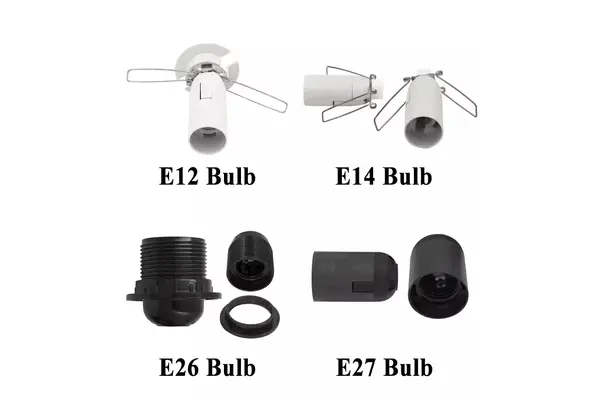
Making sure that the sockets are compatible is the first step in the replacement process. In North America, E12 candelabra bases work with 110V to 120V, and in Europe and Asia, E14 small Edison screw configurations work with 220V to 240V. When you install the wrong type of socket, the lamp voltage and power delivery specs don't match up correctly, which can be dangerous. Our assemblies use a butterfly clip mounting system that makes installation easier because you don't need any tools to do it. Spring-loaded wings grip cavity interiors securely and keep the bulb centered, which stops salt wall contact and the formation of hot spots.
It's not enough to just choose the right socket; you also need to make sure that the power cord's values match the electrical infrastructure in your area. Putting 110V-rated parts in 220V settings or the other way around is dangerous and can damage equipment right away. Our color-coded wire identification, which includes blue markings on the wires for easy input, helps workers keep the right polarity during repair procedures, which cuts down on mistakes that could put people in danger. When using extension cords, they must be properly rated cables that meet or go beyond the original assembly standards to avoid adding new danger points by not carrying enough power.
Comparing Salt Lamp Cables: Durability, Efficiency, and Procurement Options
By comparing the specs of a power assembly to the needs of the application and the budget, buying teams can find the best balance between performance standards and cost-effectiveness across a wide range of products for different market groups. Salt lamp cables' durability, effectiveness, and purchasing options are central to this optimization.
Conductor Material Comparison and Longevity Factors
Copper conductors provide better electrical performance because they have higher conductivity ratings. This means that resistive heating is reduced during operation, and parts last longer. Our specifications for oxygen-free copper make sure that the electrical properties stay the same across temperature changes and operational cycles. They also keep the connection quality from deteriorating over time due to oxidation. Copper costs more than aluminum at first—usually 15 to 25 percent more, based on the price of commodities—but it pays off in the long run by reducing warranty claims and making customers happier with steady performance.
Aluminum conductors are a good choice for product lines that need to stay within a budget and where cost is more important than performance improvement. Aluminum doesn't conduct electricity as well as copper, so bigger wire sizes are needed to match copper's current-carrying ability. This makes cable profiles bulkier, which could affect the look of the product or the efficiency of the package. Because aluminum can oxidize at connection points, it needs careful terminal design and regular maintenance to keep the contact integrity. These issues are less important in professional copper assemblies that use tinned terminations and sealed socket bases that keep out moisture from the air.
Cable Length and Gauge Impact on Performance
In most installations, salt lamps are placed on tables, shelves, or display stands that are close to wall outlets. Standard 6-foot cable lengths work well in these situations. When cable runs are longer than 10 feet, voltage drop issues become more noticeable. Voltage drop is caused by resistive losses that happen as current flows through conductor material. Our engineering team figures out how voltage drop affects different length and gauge combinations. For assemblies longer than 8 feet, they suggest 14AWG wires to keep voltage supply within 3% of source levels. This keeps the bulb's brightness stable and stops the filament from wearing out too quickly.
Customization options at our plant include non-standard lengths that are made to fit specific installation settings, such as short 4-foot assemblies for crowded store displays or long 12-foot setups for architecture installations with outlets placed far away. When choosing a gauge, electrical performance needs are weighed against the flexibility and handling of the cable. Heavier gauge wires can carry more current, but they are less flexible, which makes routing them through tight spaces or around decorative elements harder. In order to optimize, you need to know about installation situations and usage trends that are very different in the residential, business, and hospitality market groups.
Manufacturer Reliability and Support Infrastructure
Choosing suppliers with a track record of manufacturing expertise and a responsive support infrastructure lowers procurement risks and makes sure that product quality stays the same across multiple order cycles. Our 17-year history of doing business in the Dongguan industrial hub has given us deep supply chain ties and process refinement that younger companies can't match. Our strict testing procedures, which include checking for dielectric withstand, polarity, pull force, and salt spray corrosion, go above and beyond what is needed for certification. This gives distributor brands extra quality assurance that keeps them from having problems in the field.
Warranty terms show that the manufacturer is confident in the durability and quality of the product's construction. Our standard one-year warranty against manufacturing defects covers both material failures and problems with the workmanship. It is backed up by quick replacement procedures that keep distributors' inventory from being interrupted as little as possible. The infrastructure for warranty support includes technical questions that can be answered 24 hours a day and fast shipping for replacement units. This meets the service expectations that set professional suppliers apart from commodity sources. This support structure is especially helpful during times of high seasonal demand, when problems need to be solved quickly to keep store partners happy and avoid missing out on sales opportunities.
Procurement Strategies: Where and How to Buy Salt Lamp Cables in Bulk?
To build good buying relationships, you need to know what your suppliers can do, where you can get the best deals, and how to make sure that the quality of your products is consistently high even when you're ordering a lot of them. Understanding where to buy salt-lamp cables in large quantities is the first step in establishing a stable supply chain.
Certification Verification and Compliance Documentation
Verifying a product's UL rating is an important part of doing business in North America because it shows that the product has been thoroughly tested for safety by reputable labs. Our UL file number makes it possible to find records that connect specific product configurations to approved designs. UL also does regular plant checks to make sure that manufacturing is still in line with certified standards. Before choosing a seller, procurement teams should ask for proof of UL certification, such as test results and file numbers, because fake or misrepresented certifications can leave companies open to a lot of risk.
In order to meet the standards for CE marking in European markets, manufacturers must certify that their products comply with all relevant guidelines regarding electrical safety and electromagnetic compatibility. In contrast to UL's third-party verification model, CE marking puts the responsibility of compliance on the manufacturers. This means that the reputation of the supplier and the manufacturing standards must be important factors in the evaluation process. Our facility keeps detailed technical files with design specs, material certifications, and test results that back up CE declarations. This makes things clearer, which boosts trust in the buying process. RoHS compliance documentation also proves the results of restricted substance tests. Usually, X-ray fluorescence analysis is needed to make sure that the amount of hazardous materials in all product parts stays below the legal limits.
Volume Purchasing and Customization Negotiation
Committing to a large order opens the door to better pricing and customization options that help products stand out in highly competitive retail markets. Our production methods work well for small batches (100 to 500 units) of samples all the way up to large production runs of over 10,000 units. Our tiered price system takes into account savings of scale in buying materials, paying for production setups over time, and improving logistics. There aren't any strict minimum order amounts for established distribution partners. This gives them the freedom to test new markets and deal with seasonal changes in demand without having to keep too much product on hand.
We offer customization services that go beyond simple changes in length and gauge, and for salt lamp cables, these include private label packaging, name embossing on switch housings, custom jacket colors that match brand images, and specialized certifications that meet the needs of niche markets, and these features that add value require teamwork during the product development stages, and depending on how complicated the customization is, lead times may be 2 to 3 weeks longer than usual. These include private label packaging, name embossing on switch housings, custom jacket colors that match brand images, and specialized certifications that meet the needs of niche markets. These features that add value require teamwork during the product development stages, and depending on how complicated the customization is, lead times may be 2 to 3 weeks longer than usual. Usually, the cost of investing in custom tooling for unique parts is spread out over order amounts above 5,000 units. This makes customization economically viable for well-known product lines while keeping costs low enough to protect store margins.
Supplier Evaluation and Quality Assurance Protocols
Factory audits check the factory's ability to make things, its quality control systems, and its compliance infrastructure to make sure that products are always delivered on time. Our quality control system is ISO-compliant and uses written processes for inspecting incoming materials, checking work-in-progress, and testing finished products to make sure they meet specifications. As part of our 100% electrical testing routine, we check every assembly for continuity, polarity, and high-pot dielectric testing. This gets rid of any faulty units before they are packed up and sent out.
Sample evaluation programs let procurement teams check the quality of a product before placing a large order. Our sample production time of 3–7 days allows for quick evaluation cycles, and our detailed technical specs and test reports give you objective performance data that you can use to compare products from different sources. Hands-on tests for durability, electrical performance under load, and compatibility with target lamp configurations should all be part of the sample evaluation process. These validation steps keep expensive product recalls and warranty claims from happening after the product has been on the market.
Ensuring Long-Term Reliability: Maintenance Tips and Brand Trust
To keep a power assembly working well, both the user and the manufacturer must show their commitment to quality through certifications, testing protocols, and a responsive support infrastructure. Long-term reliability is the foundation of brand trust in the decorative lighting industry.
Routine Inspection and Preventive Maintenance
Visual inspections done on a regular basis find new problems before they become safety risks or total failures. Users should check the state of the cables once a month when they clean their lamps. They should look for damage to the insulation, deformed plugs, or socket rust that means the cables need to be replaced. Checking the connection points makes sure that the plugs are securely plugged into the outlets and that the butterfly clips are tightly mounted inside the lamp holes. This is important because open contacts cause resistive heating, which speeds up the breakdown of parts. By checking the connections every time you move a lamp, you can avoid damage from partial contacts that happen during operation.
Electrical parts shouldn't get wet when they're being cleaned, and dust buildup that could create conductive paths when there is a lot of moisture in the air should be removed. Wiping the outsides of cables and sockets with a dry cloth keeps them clean without letting water in, which would damage the insulation. You have to be careful when choosing chemical cleaners so that they don't combine with PVC or rubber jacket materials. Mild soap solutions clean well without breaking down the material, but strong solvents can soften insulation compounds or change the color. As a basic electrical safety measure to avoid shock hazards, users should always turn off the power before doing any maintenance.
Load Management and Operational Best Practices
Respecting listed load ratings keeps parts from breaking down early due to thermal stress. Our 75W/100W socket ratings work with standard salt lamp bulb configurations with plenty of safety margins. However, users sometimes try to install higher-wattage bulbs to get more light. Going over the rated capacity creates too much heat in the socket terminals and conductor pathways, which speeds up the breakdown of the insulation and could lead to a fire. Labels and instructions for using the product should make it clear how much weight it can hold. Stores should also stock suitable bulbs that meet the requirements of the power assembly.
When you use an extension cord, you add more resistance and connection points that make voltage drop effects worse and create new places where something could go wrong. When users need to use extension cords because they can't put outlets where they want, they should choose cords that are rated for continuous duty at amperages that meet or go beyond what the salt lamp needs. When you daisy-chain several extension cords or power strips together, you create dangerous levels of cumulative resistance heating and overload potential that standard circuit safety may not be able to handle. Distribution partners add value by teaching store customers how to choose the right extension cord and use it safely, which keeps accidents from happening that hurt the quality of the lamp products.
Innovations Shaping Future Product Development
As more people switch from traditional incandescent bulbs to longer-lasting LED options, connectivity with energy-efficient LED lamps is becoming an important issue. Because LED bulbs have different electrical properties, especially when they first turn on and experience current spikes, they need dimmer circuitry that is specifically designed to work with LEDs to keep them from flickering and make sure that the strength can be changed smoothly across the whole brightness range. Our plan for product development includes LED-optimized dimmer systems that can handle this change in the market while still working with traditional incandescent bulbs in lamp setups that are already in place.
More and more people want to use decorative lighting outside, like salt lamps in covered patios, enclosed porches, or garden areas that are protected from the weather. Waterproof and weather-resistant designs meet this need. Assembly designs with IP67 and IP68 ratings that we made for outdoor advertising and security show that we can bring salt lamp power solutions to these new market segments. The better sealing and UV-resistant jacket materials that these settings need make production costs 30–40% higher. This means that weather-resistant goods are more of a luxury item for certain installation situations than a common replacement for normal indoor setups.

Conclusion
When choosing the right power assemblies for decorative salt lighting, it's important to keep safety regulations, electricity performance standards, and source stability all in mind, and for salt lamp cables, this is what makes sure the product does well in competitive retail markets, and professional-grade power lines are important parts that set high-end lamp products apart from cheaper ones because they are UL-certified, built to last, come with butterfly clip mounting systems, and can be customized in a number of ways. This is what makes sure the product does well in competitive retail markets. Professional-grade power lines are important parts that set high-end lamp products apart from cheaper ones because they are UL-certified, built to last, come with butterfly clip mounting systems, and can be customized in a number of ways. Partnerships with well-known manufacturers that offer thorough testing protocols, responsive support infrastructure, and scalable production capabilities that can handle both small amounts for testing the market and high demand during peak seasons give procurement teams a competitive edge. Progressing toward LED compatibility and weather-resistant designs opens up chances to increase the number of products available, while also meeting changing customer tastes and installation situations that allow salt lamps to be used in places other than traditional home settings.
FAQ
What certifications should I verify when sourcing power cord assemblies for salt lamps?
UL or cUL listings are necessary for products to be sold in North America. They show that the products meet strict safety standards after being tested by a third-party lab. Ask for particular UL file numbers and check them in the UL Product iQ database to make sure they are real. For foreign markets, CE marking means that the product meets European standards, while SAA approval means that it meets Australian standards. RoHS compliance paperwork makes sure that goods meet environmental rules that limit the use of dangerous chemicals. Manufacturers with a good reputation back up their product claims with full certification packages that include test results and compliance statements.
How do I determine the correct socket type and voltage rating for my target market?
In North America, E12 candelabra bases work with 110V to 120V, which is the normal home power. In Europe and Asia, E14 small Edison screw configurations work with 220V to 240V. The measurement of the socket base diameter—E12 is 12mm, and E14 is 14mm at the threaded end—is physical proof. When you install the wrong type of socket, voltage mismatches can damage equipment and put people in danger. Check the electrical standards of the target market and include the correct socket and voltage ratings when placing bulk orders to make sure that your products will work with all of your distribution channels.
What factors influence pricing in bulk procurement negotiations?
Order number has a big effect on unit prices through economies of scale in purchasing materials and the wear and tear on production equipment. For orders over 5,000 units, savings are usually available. Depending on how complicated they are, customization needs like non-standard lengths, special jacket materials, or private name packing can raise prices by 15% to 35%. Being able to change the lead time gives you more negotiating power—accepting longer production plans during makers' off-peak periods often leads to better prices than placing rush orders during times of high seasonal demand. Payment terms and long-term commitment agreements also have an effect on price structures. Terms are more favorable for established distribution companies that can show consistent order levels. What approvals should I look for when buying salt-lamp cables power cord assemblies?
Partner with a Trusted Salt Lamp Cable Manufacturer
Kuncan Electronics sells UL-approved power assemblies that are designed to work with Himalayan salt lamps and other decorative lighting. Our manufacturing experience of 17 years includes strict quality control measures like 100% electrical testing and dielectric verification, as well as flexible customization services that allow for private label packaging, custom wire lengths, and unique switch configurations. We are in the middle of the industrial hub in Dongguan, and we can do samples quickly (3–7 days) and full production in 15–25 days. For established partners, there is no minimum order quantity. Our wide range of certifications, including ETL, CE, VDE, and SAA, gives you easy access to markets around the world. Our helpful technical support and 24-hour response time to questions make sure that your buying process goes smoothly. Contact our team at rhea@szkuncan.net to talk about your needs, ask for samples, and find out how our factory-direct prices and dependable supply chain can help your business grow as a leading salt-lamp cable provider for the gift and home decor markets in North America.
References
1. National Electrical Manufacturers Association. (2021). NEMA Standards Publication for Cord Sets and Power Supply Cords. Rosslyn, VA: NEMA.
2. Underwriters Laboratories. (2020). UL 817: Standard for Cord Sets and Power-Supply Cords. Northbrook, IL: UL LLC.
3. Institute of Electrical and Electronics Engineers. (2019). IEEE 141: Recommended Practice for Electric Power Distribution for Industrial Plants. Piscataway, NJ: IEEE Press.
4. International Electrotechnical Commission. (2018). IEC 60227: Polyvinyl Chloride Insulated Cables of Rated Voltages up to and Including 450/750 V. Geneva, Switzerland: IEC.
5. American National Standards Institute. (2022). ANSI C73 Series: Dimensions for Attachment Plugs and Receptacles. Washington, DC: ANSI.
6. Restriction of Hazardous Substances Directive Compliance Working Group. (2020). RoHS Compliance in Electronic Components: Testing and Documentation Requirements. Brussels, Belgium: European Commission Publications.

USER EVALUATE
Here is the customer's evaluation of us
YOU MAY LIKE
_1786082832183.webp) VIEW MORE16AWG US AC Power Cord -NEMA 5-15P to IEC C13
VIEW MORE16AWG US AC Power Cord -NEMA 5-15P to IEC C13_1782463113014.webp) VIEW MOREGX12 3-Pin Metal Connector Cable
VIEW MOREGX12 3-Pin Metal Connector Cable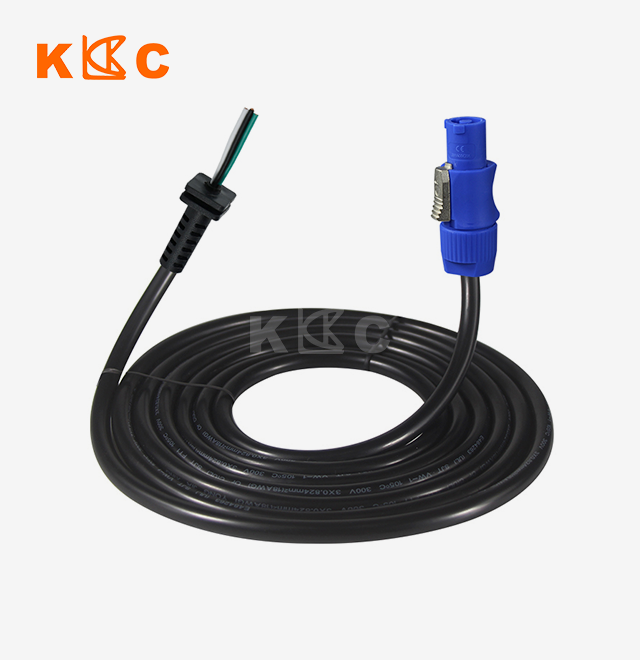 VIEW MOREpowercon power cable
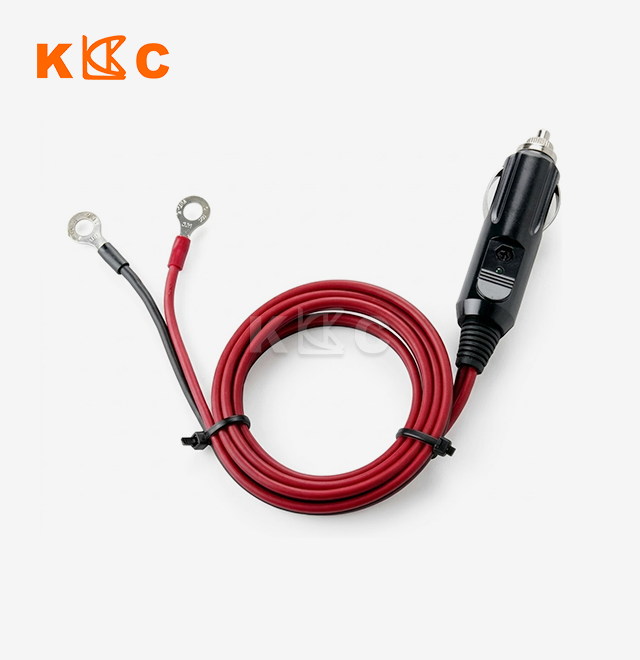 VIEW MORECigarette Lighter Plug to Ring Terminal Cable
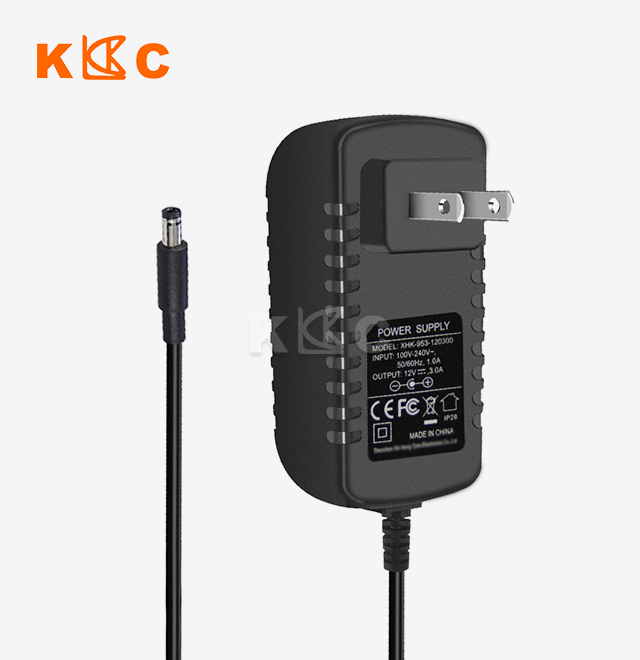 VIEW MOREac dc power adapter plug
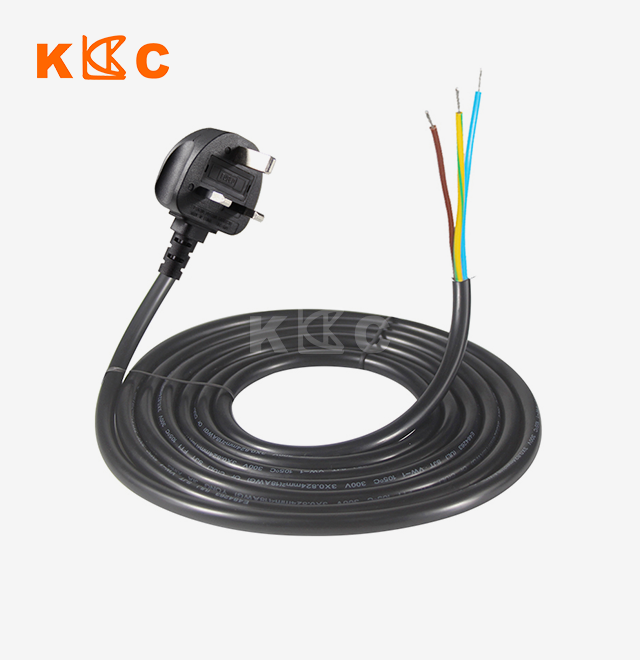 VIEW MOREFly Lead Power Cord
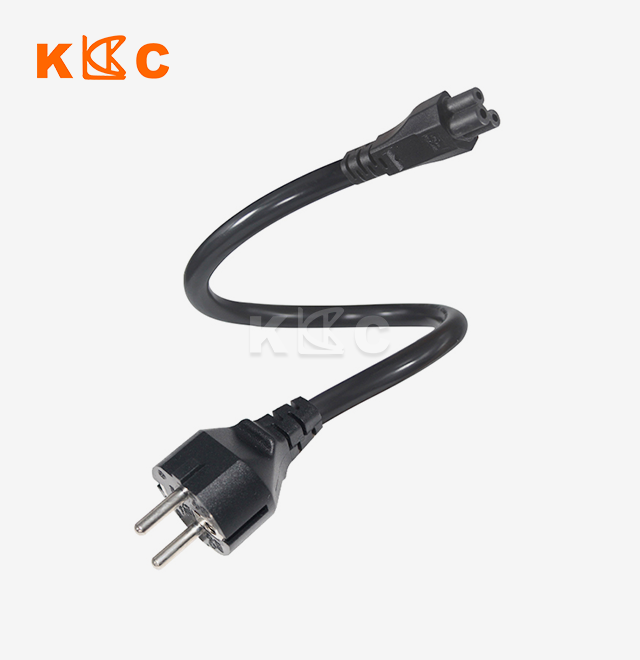 VIEW MOREiec c5 power cable
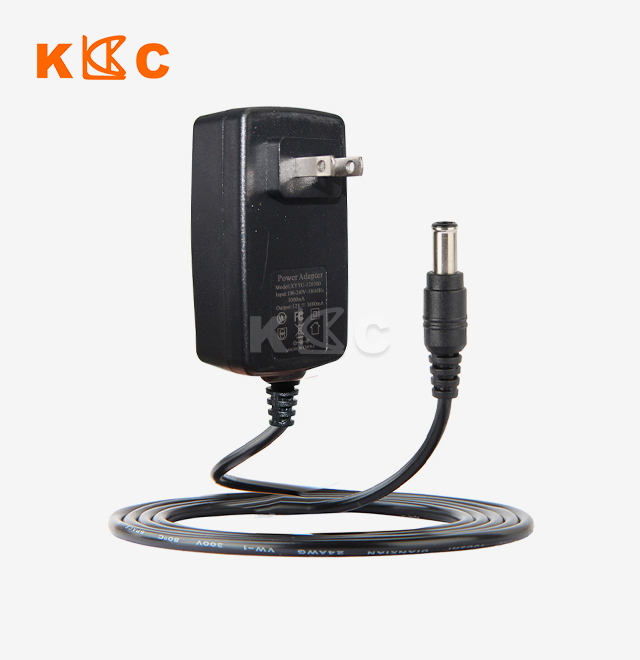 VIEW MOREac dc adapter 100 240v 50 60hz output 12v